What Happens to Your Body During a Marathon
From the first kilometre to the finish line, and every step along the way.
September 22, 2026
The moment you cross the starting line of a marathon, your body begins mobilizing every system it has. Over the next 42.2 kilometres (26.2 miles) you’ll undergo an intense physiological transformation that will test your capacity and resilience. To maintain the competitive edge is important to prepare well, pace yourself intelligently and, of course, pick the right gear.
In light of the swiftly approaching Berlin Marathon, where 200+ PUMA athletes from 19 countries around the globe will compete for PB’s, let’s take a deep dive into what their bodies are about to endure and the cascade of responses happening below the surface during a marathon.
Four Stages of Marathon Physiology
Kilometres 0-5: Ignition
As soon as the gun goes off, heart rate spikes, and adrenaline floods the bloodstream. Oxygen demand rises as blood gets pumped towards working muscles. At this stage, the body relies mainly on carbohydrate metabolism, which is still readily available from muscle glycogen.You feel great, almost too great. This is the part where it can be tempting to go too fast and ride out that surge of excitement. Rather than leaning into that and burning out early, pace yourself and prepare for the long haul.
Kilometres 6-20: Aerobic Steady State
Settling into your stride, your breathing and heart rate find their rhythm. Lactate levels stabilize, and the cardiovascular system shifts into a more efficient state. With every step, you are sweating out electrolytes and water, but the body is moving well.This is where proper fuelling and hydration matter. Glycogen stores naturally last about 90 to 120 minutes at a marathon pace, so consuming energy gels, sports drinks or food along the way can help stay ahead of the fatigue.
Kilometres 21-35: Glycogen Shift and the Wall
Often at this stage, glycogen stores are depleted and the body shifts gears and begins burning fat for fuel. Although more calorie-dense, this is a slower process which doesn’t supply energy as quickly as glycogen.Perceived effort spikes: even if your pace hasn’t changed much, running can feel exponentially harder. Your brain has been closely monitoring the situation and begins to create mental roadblocks, turning this section into a true mind-over-matter challenge colloquially known as hitting “The Wall.”
Kilometres 36+: The Final Stretch
By now, you’re running on grit and determination. Your body is digging deep, navigating tired muscles fibres, inflammation and fatigue. But as the finish line looms and the brain registers that the threat of survival is over it floods the system with endorphins and dopamine. With an eye on the competition, you dig deep and push forward.Bonus Stage: A Word on Recovery
Congratulations, crossing the finish line is a remarkable achievement! It also marks the beginning of your recovery period — you may feel amazing or wrecked, but either way you will have to reckon with the results of what your body has undergone.These are badges of honour that mark the ordeal the body has been through, and it has now earned a proper rest. Gentle movement, reloading your glycogen stores, sleep, and rehydration are your allies during this period.

How Gear Can Make a Difference
And speaking of allies: selecting the right equipment to run a marathon can have a measurable impact on comfort and performance. Undeniably, your footwear is the single most important part of your race-day kit.Marathon runners need to look for generous cushioning to absorb impact and reduce strain on muscles and joints, proper gait support and stabilization to limit injury, and a design that provides good energy return during an event where every bit counts.
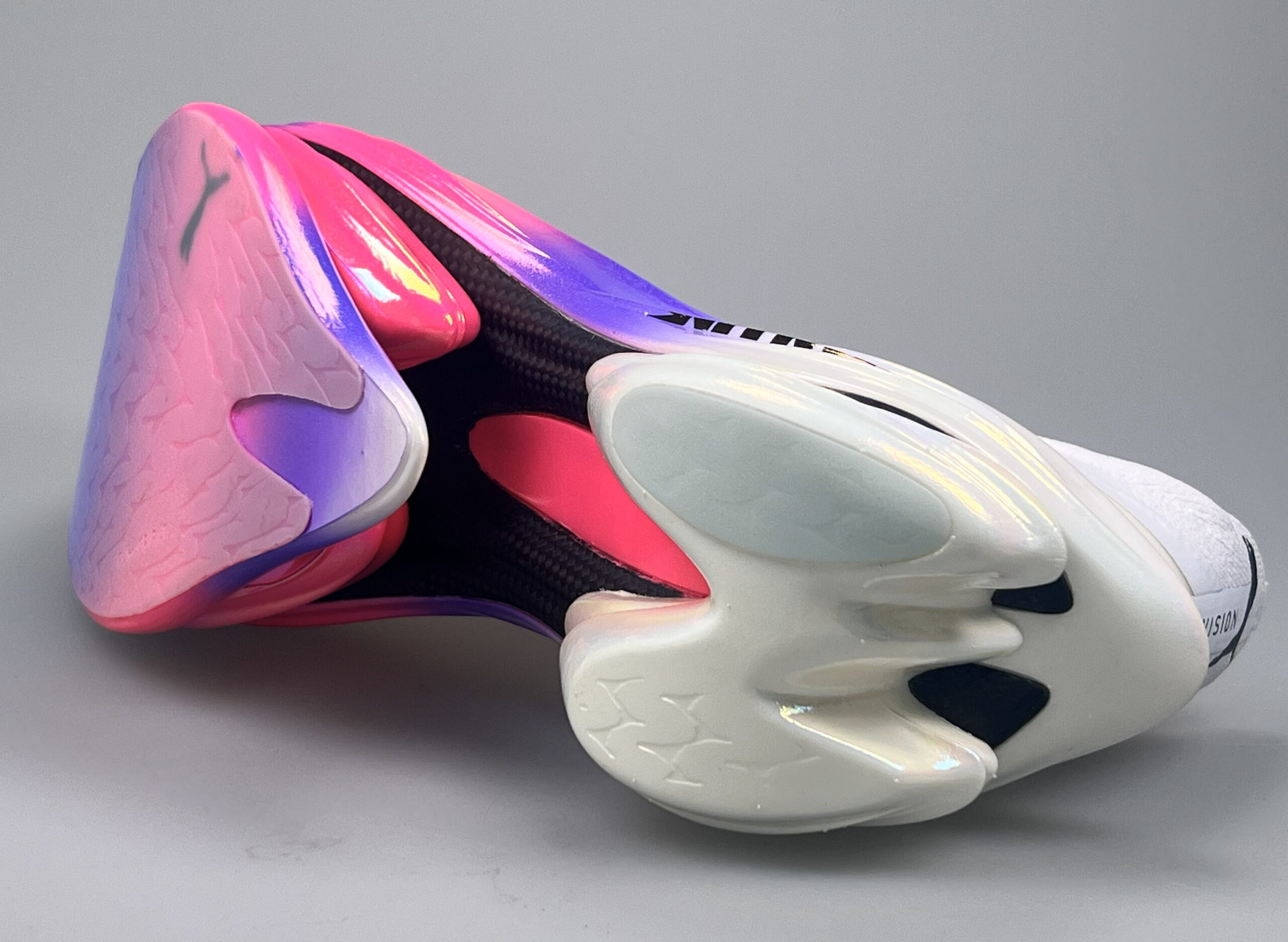
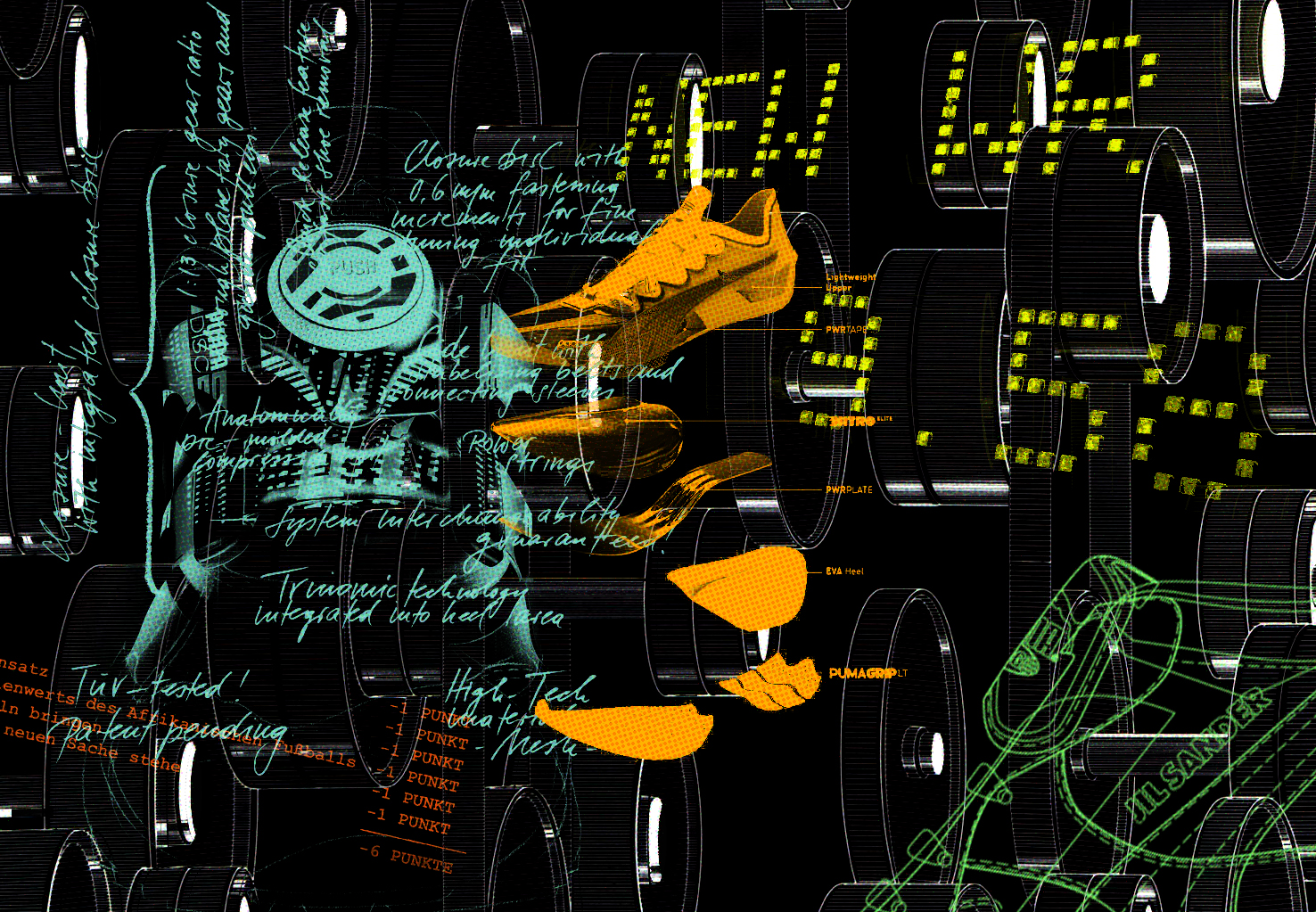
For all of these reasons, PUMA’s NITRO™ foam technology is considered a top choice for marathon runners around the world. The super lightweight design has helped set a new benchmark of speed, security and snappiness in the field. Both the FAST-R NITRO™ Elite 3 and Deviate NITRO™ Elite 4 are great picks for serious racers, complete with carbon plates for added forward propulsion and responsiveness.
As for the rest of your gear, look for items that are durable, moisture-wicking (to deal with all that fluid loss), and flexible enough to support your full range of motion rather than restrict it.
Locked in, lightweight and looking to set a new personal best, this style coordinates with the FAST-R NitroTM Elite 3.
Each item in this look is engineered to keep you focused on your pace come race day.
Core Gear Checklist
The body is an extraordinary machine, and during a marathon it is working near its maximum. By understanding what’s really happening throughout the race, you can better prepare, pace yourself intelligently, and pick proper gear that supports your efforts.
At the upcoming Berlin Marathon, PUMA is meeting runners at every stage of the journey. From the iconic NITRO™ Lab where runners can test out performance gear for themselves, to the PUMA418 relay race, a Berlin-inspired rave shake-out run and an exclusive collaboration with German streetwear pioneers Another Cotton Lab, it’s a fully loaded schedule.
And on race day, as part of the PROJECT3 running program, an array of international athletes will compete in the latest PUMA technical footwear and apparel precisely designed to meet the physiological demands of the run. Stay tuned!
And on race day, as part of the PROJECT3 running program, an array of international athletes will compete in the latest PUMA technical footwear and apparel precisely designed to meet the physiological demands of the run. Stay tuned!