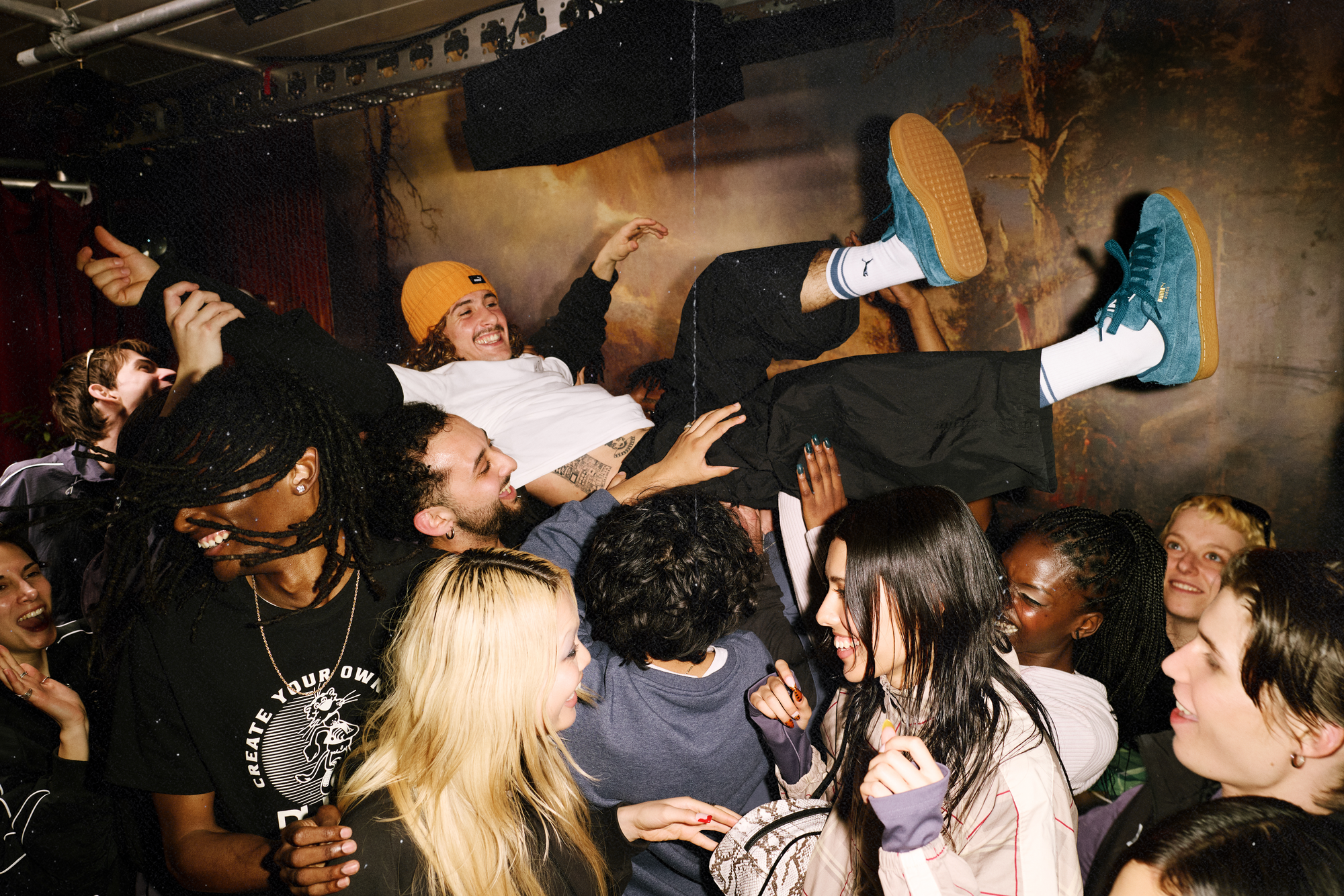
“CULTURE IS SOMETHING YOU PARTICIPATE IN – NOT SOMETHING YOU CONTROL”
PUMA’s Laurent Fricker on how culture and communities influence Sportstyle success
September 30, 2026
Cultural impulses can emerge anywhere and no longer move in one fixed direction. What appears on the streets of Seoul can, through social media, become a trend in London, Paris or New York almost instantly. Sometimes similar looks emerge in several places at the same time. For Laurent Fricker, Vice President of PUMA’s Sportstyle Business Unit since June, this raises one central question: How can a global brand recognize early on what is culturally relevant to people and turn this into products that really resonate?
Culture is not created by one brand alone. Athletes, creators, designers, local communities and consumers all shape what becomes culturally relevant. “The most successful brands understand that culture is something you participate in, not something you control,” says Laurent.
Brands can create products, choose partners, tell stories and work with the right ambassador. But they cannot force culture. “Timing has to be right,” says Laurent. “We can plan the conditions of cultural relevance, but we cannot manufacture it.” The answer is to stay close: understand what moves people, what matters to a community and how a brand can genuinely contribute something meaningful.
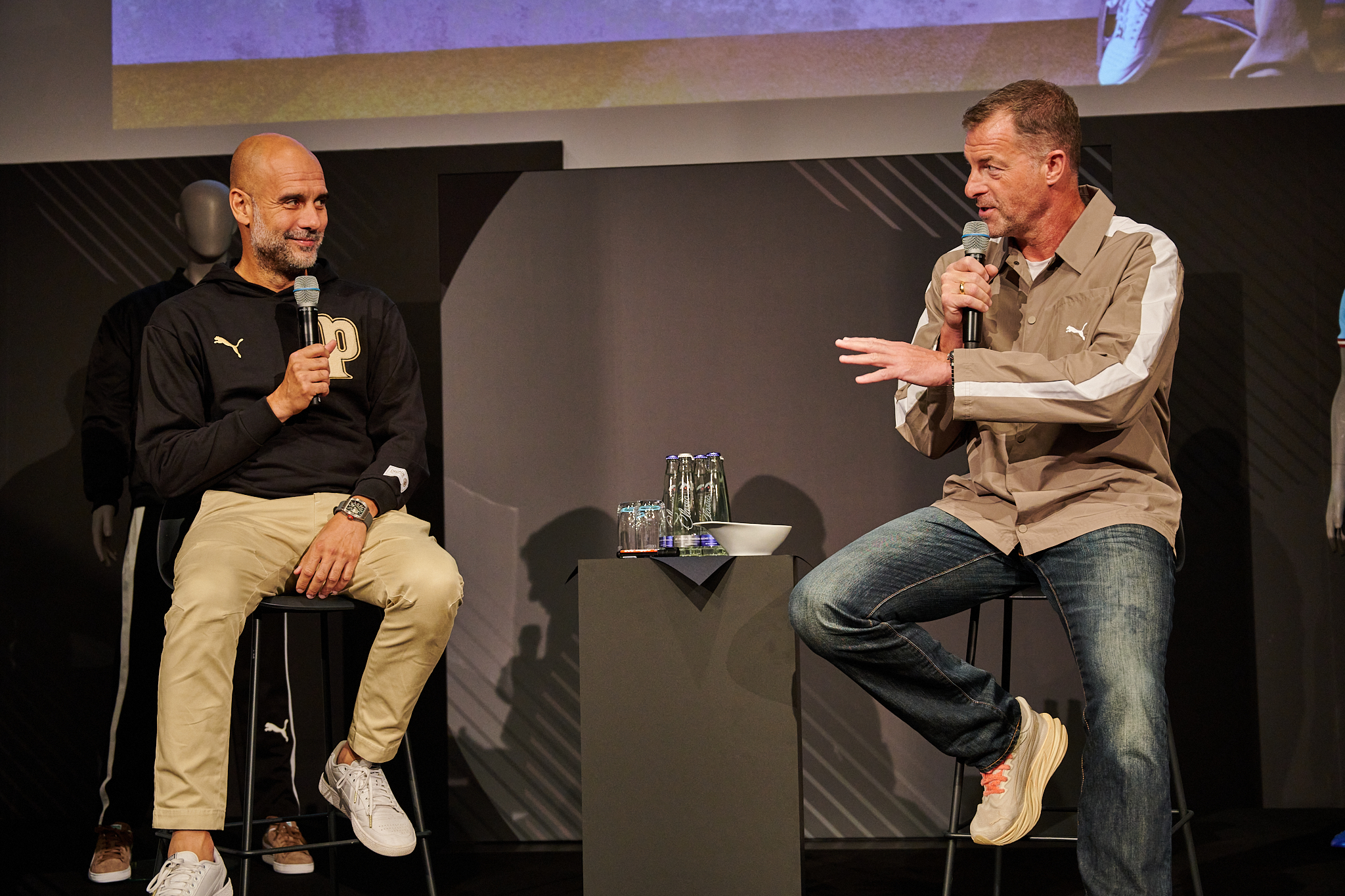
Laurent Fricker
What creates desirability has changed as well. While people queued for limited drops a few years ago, authenticity and the sense of belonging to a community are much more relevant nowadays.
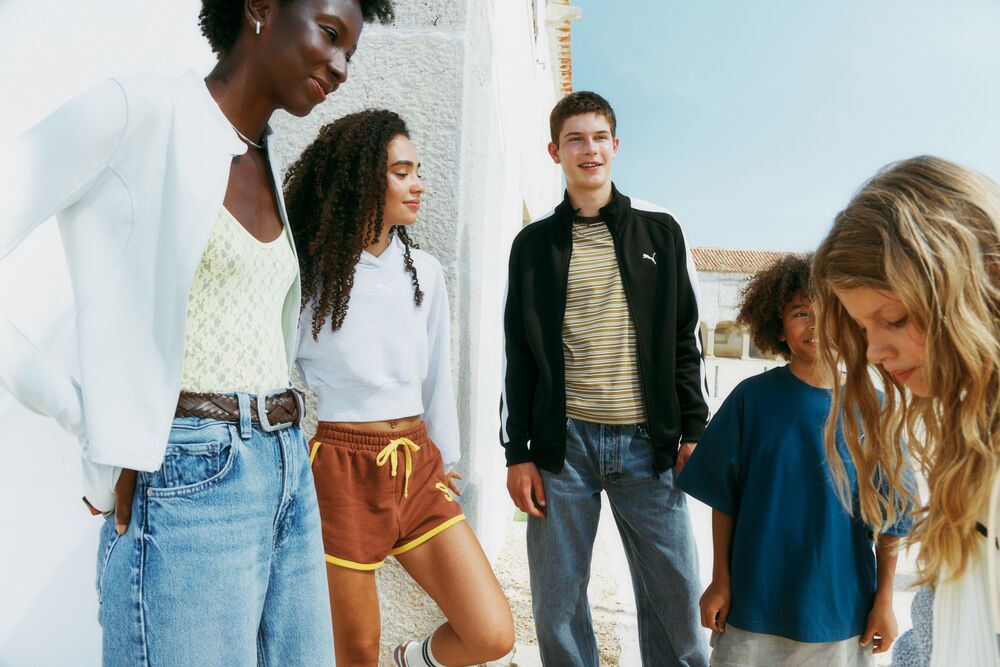
At the same time, the pace of cultural shifts is accelerating. Product cycles that once lasted three to five years now tends to move in cycles of 18 to 24 months. “Gen Z and Gen Alpha are not as loyal, their style identities are more fluid. We need to iterate our styles more quickly,” Laurent explains.
At the same time, the pace of cultural shifts is accelerating. Product cycles that once lasted three to five years now tends to move in cycles of 18 to 24 months. “Gen Z and Gen Alpha are not as loyal, their style identities are more fluid. We need to iterate our styles more quickly,” Laurent explains.
To help spot these developments early, data can help. Google searches show what people are increasingly looking for and where interest is growing. But they only show what is happening, and not why it is happening. “Data helps us understand what people are doing. It doesn’t always explain why they’re doing it,” says Laurent.
To understand that, you have to get right inside the community. If you want to understand football culture, you need to spend time on the terraces, with local clubs and with the creators around the game.
To understand that, you have to get right inside the community. If you want to understand football culture, you need to spend time on the terraces, with local clubs and with the creators around the game.
“The closer we are to culture and communities, the more likely we are to have a seat at that table.”
“The closer we are to culture and communities, the more likely we are to have a seat at that table,” Laurent adds. That is why PUMA operates five creation centers around the world.
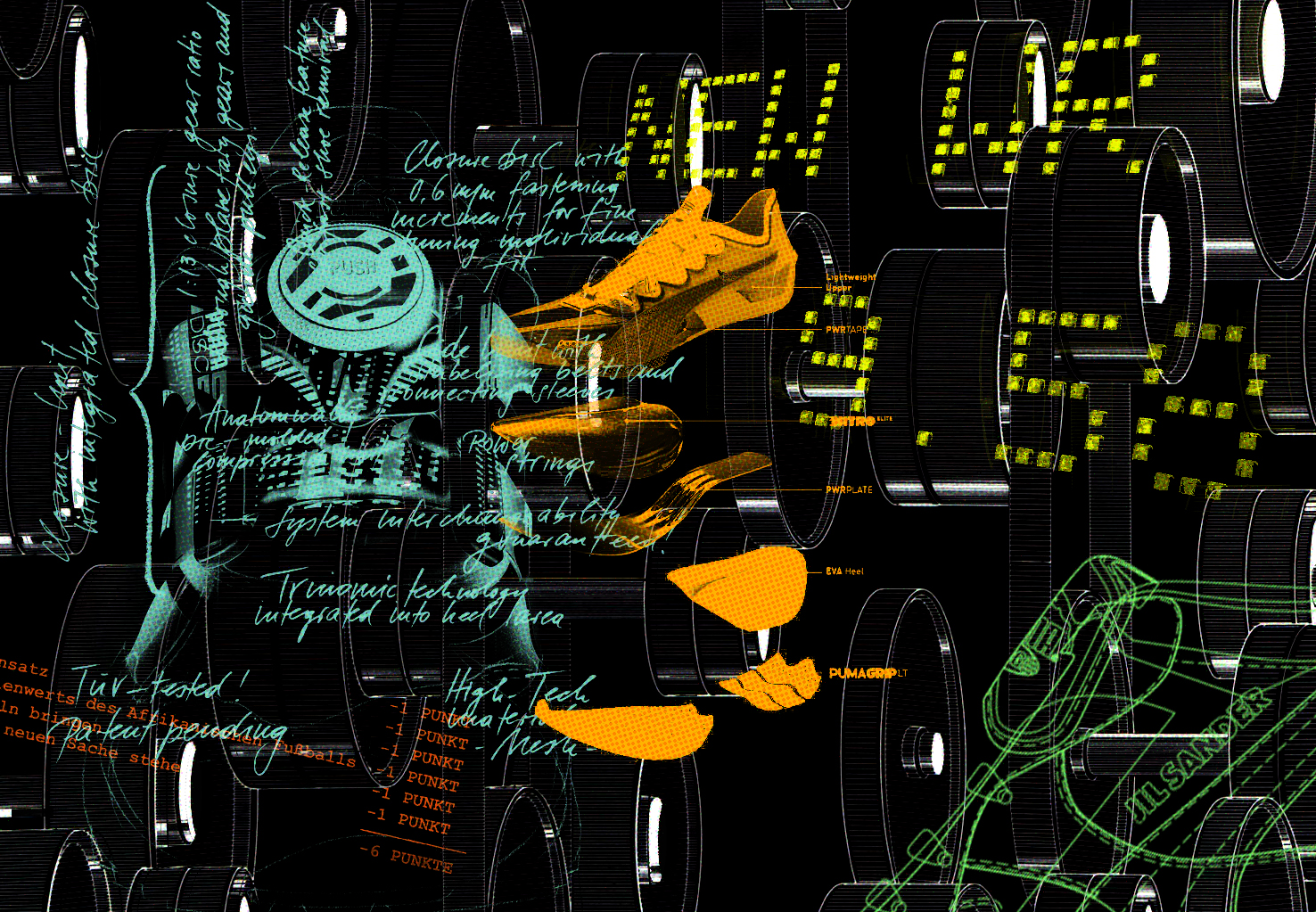
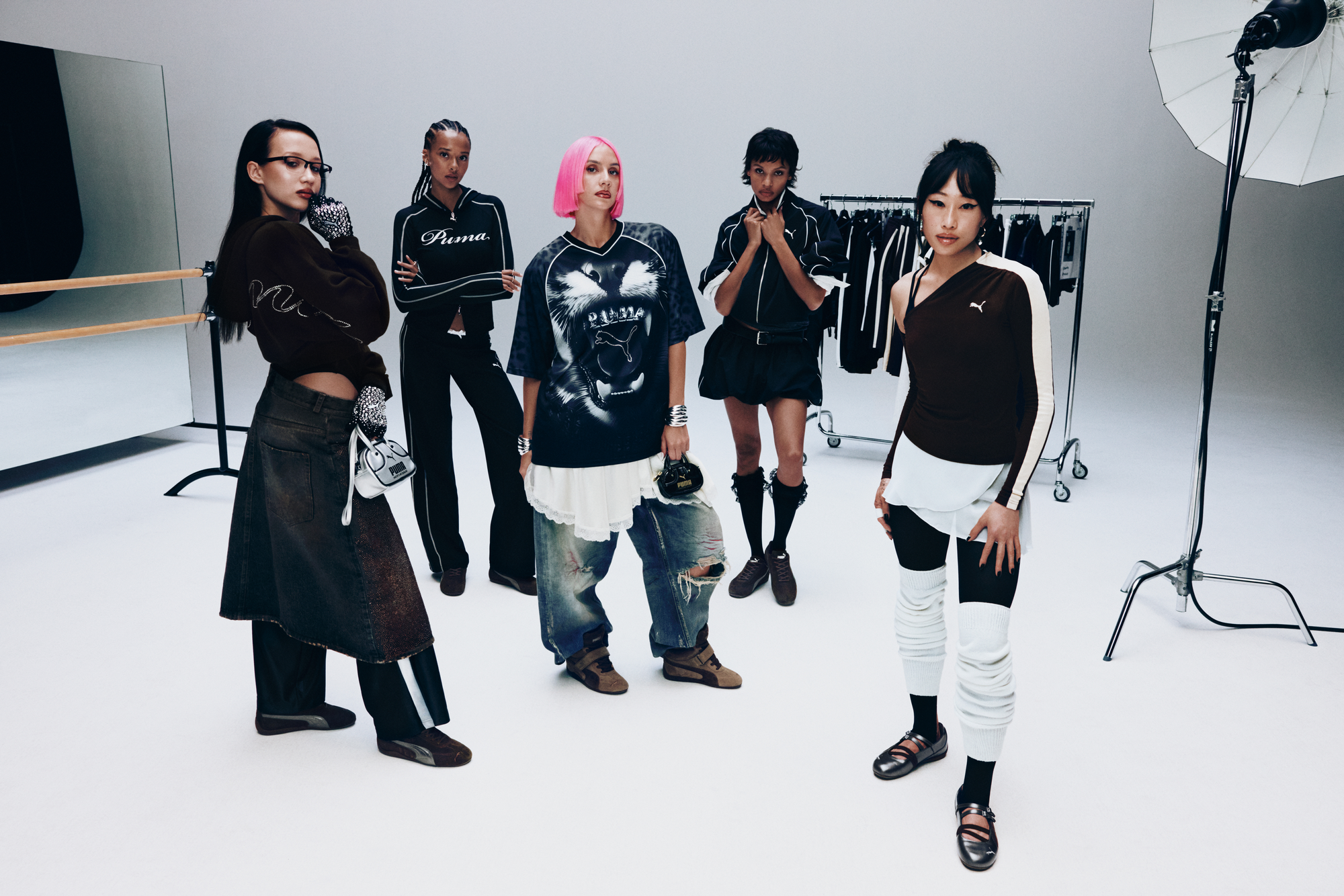
To understand where sport and fashion are moving, it also matters who is driving those changes. “Women historically push trends forwards, especially in sports,” says Laurent. PUMA understood this early on, as its pioneering collaboration with Jil Sander brought sport and high fashion together for the first time in the late 1990s.
That boundary between sport and fashion is still shifting today. “Athleisure will not go away, it will just pivot between items that are more or less inspired by fashion and sports. Brands will not decide this, culture will.”
To understand where sport and fashion are moving, it also matters who is driving those changes. “Women historically push trends forwards, especially in sports,” says Laurent. PUMA understood this early on, as its pioneering collaboration with Jil Sander brought sport and high fashion together for the first time in the late 1990s.
That boundary between sport and fashion is still shifting today. “Athleisure will not go away, it will just pivot between items that are more or less inspired by fashion and sports. Brands will not decide this, culture will.”
“A product shouldn’t come back simply because it existed. It should come back because it has something meaningful to say today.”
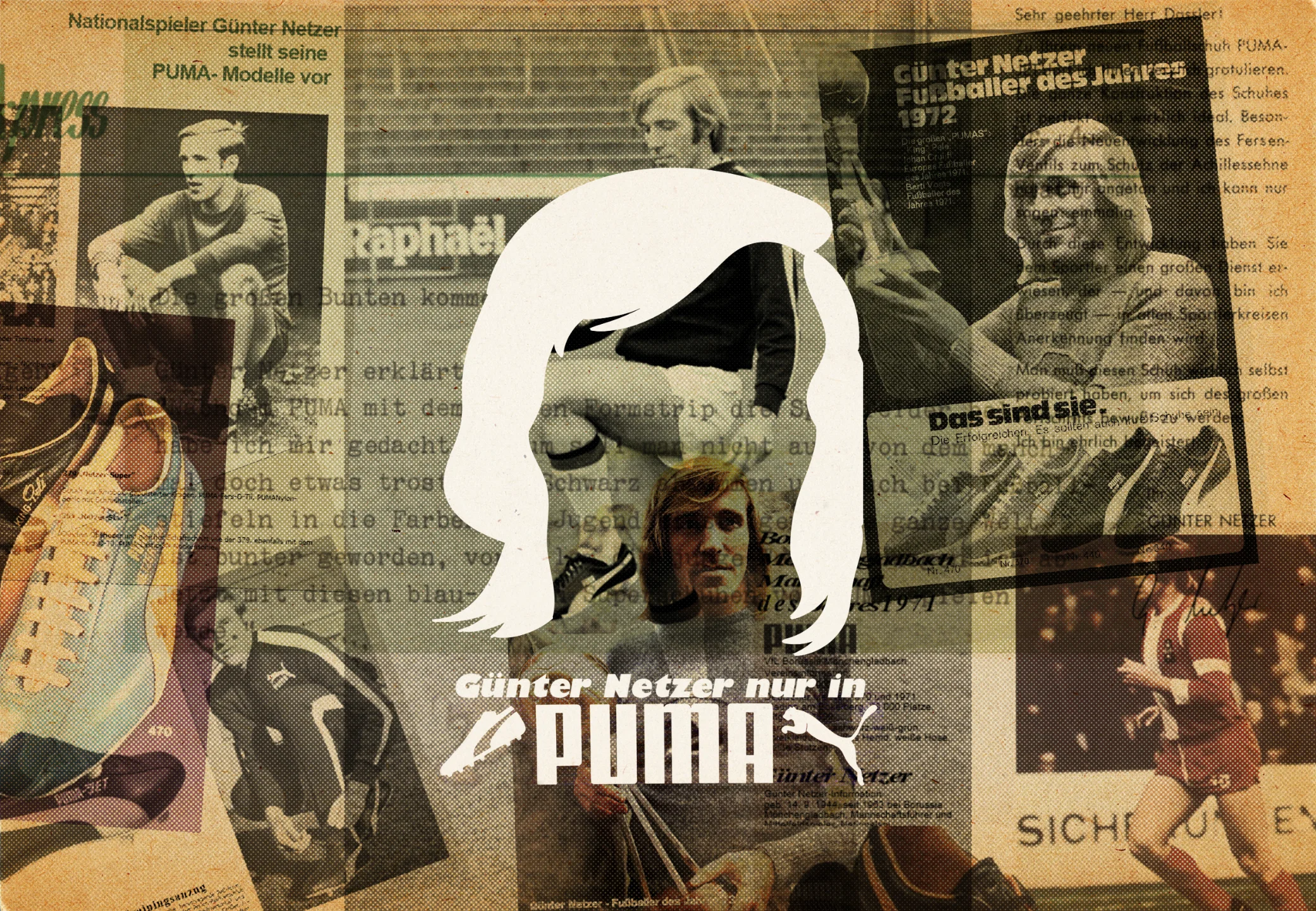
PUMA has an incredible archive at its disposal, with more than 75 years of history and trends. But history alone is not enough. What also matters is whether a product feels relevant today and whether a new generation can make it its own, Laurent says.
Music works the same way. Young people pick up sounds and rhythms from earlier decades, remix them and make them their own. Heritage in Sportstyle is no different. “A 16-year-old does not need to know what year a sneaker first appeared or who wore it back then,” says Laurent. “What matters is whether a product is authentic or not – whether there is a genuine origin and a credible story behind it.”
Music works the same way. Young people pick up sounds and rhythms from earlier decades, remix them and make them their own. Heritage in Sportstyle is no different. “A 16-year-old does not need to know what year a sneaker first appeared or who wore it back then,” says Laurent. “What matters is whether a product is authentic or not – whether there is a genuine origin and a credible story behind it.”
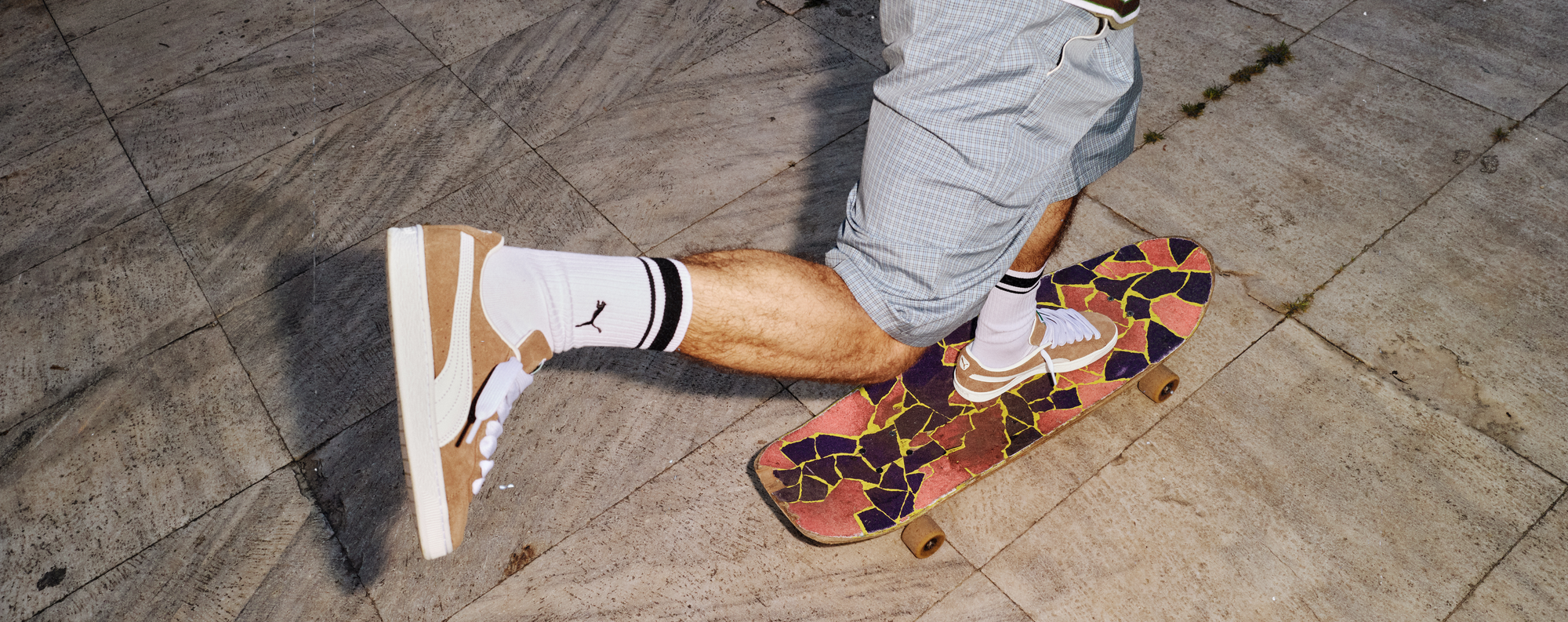
Few shoes exemplify this better than the PUMA Suede. It has already lived more than one life: what began in sport moved into music, street culture and fashion. Each time, communities adopted the Suede and interpreted it in their own way. The Suede remained recognizably PUMA, yet took on a different meaning with every new generation.
“A product shouldn’t come back simply because it existed. It should come back because it has something meaningful to say today,” says Laurent. “A product becomes culturally relevant when consumers start telling its story through their own lives.”
“A product shouldn’t come back simply because it existed. It should come back because it has something meaningful to say today,” says Laurent. “A product becomes culturally relevant when consumers start telling its story through their own lives.”