How the T7 defined Sportstyle
From a training essential to a global icon for streetwear, the PUMA T7 tracksuit has redefined how sport and style intersect.
April 10, 2026
A line, placed with intent, carries more than just design. When PUMA introduced the T7 tracksuit in 1968, it marked the brand’s first steps outside the realm of footwear and into apparel. Defined by its signature FORMSTRIP, the T7 has become an emblem for sportstyle and has a significant cultural influence around the world.
Trace its evolution and the many ways it has been reinterpreted over time.
Trace its evolution and the many ways it has been reinterpreted over time.
A Bit of Backstory
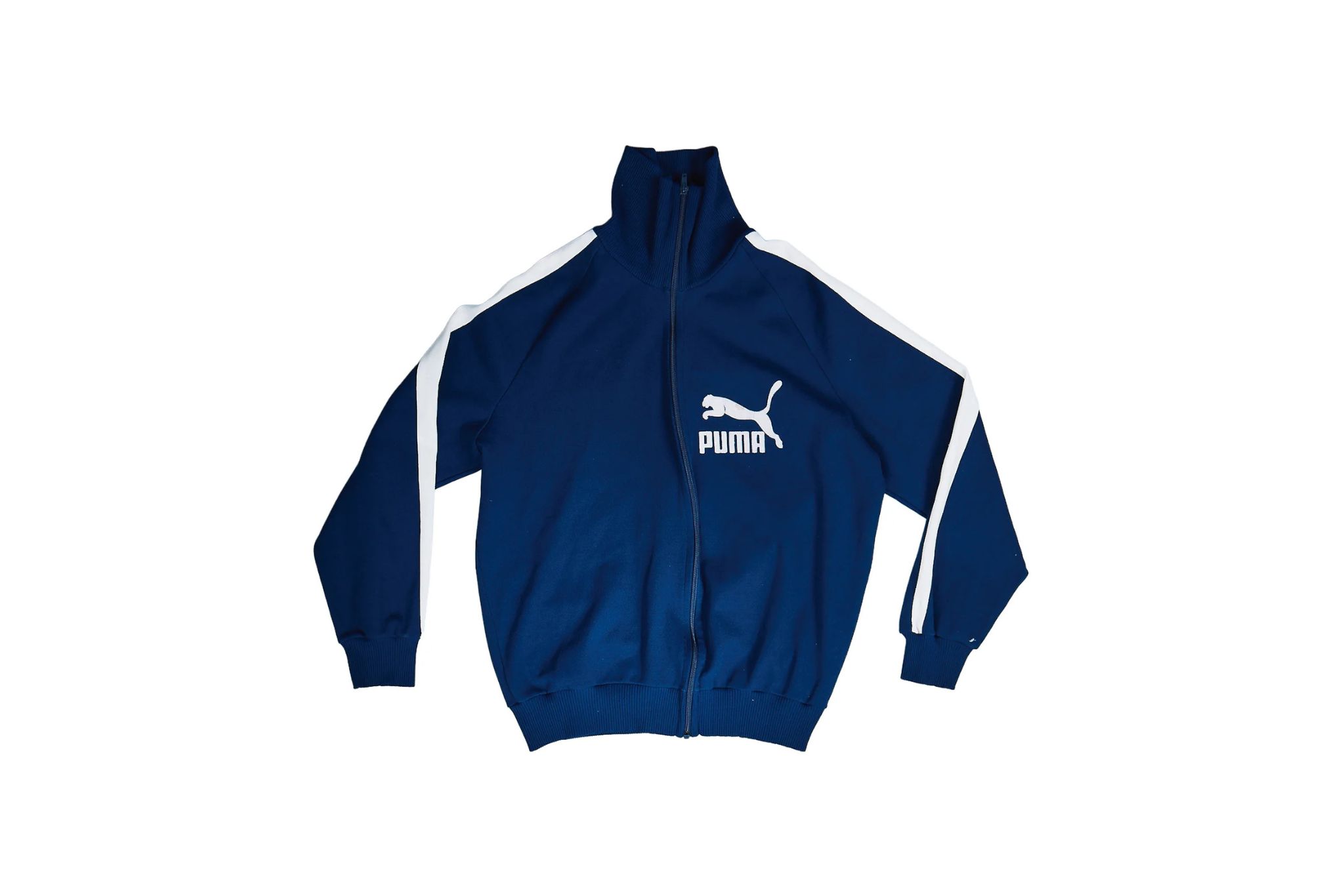
Founder Rudolf Dassler sought to increase the brand’s visibility, prompting a move into the textile market and resulting in a new apparel item proudly bearing PUMA’s trademark. Created with an athlete’s needs in mind and named for the 7-centimetre wide, conically tapered, colour-contrasting FORMSTRIP running down the sleeves and legs, the light weight “Trainingsanzüge” (tracksuit) were immediately distinctive.
The original T7 was a little different from the one we know today — still with that ideal fit and cut, but the initial version had quite slim tapered legs with a zippered bottom and elastic stirrup. It originally came in two colours, dark blue and white, and two variations: the PUMA cat plus wording for teams, and just the PUMA cat to distinguish customers.
The original T7 was a little different from the one we know today — still with that ideal fit and cut, but the initial version had quite slim tapered legs with a zippered bottom and elastic stirrup. It originally came in two colours, dark blue and white, and two variations: the PUMA cat plus wording for teams, and just the PUMA cat to distinguish customers.

1968 catalog clipping
Engineered for purpose and constructed from the performance fabric Helanca, it was perfectly suited for warm-ups and recovery. Yet its comfort, versatility, and ease of wear led to the T7 becoming a staple for casual use as well as athletic. The increasing popularity of the item led to a rainbow of variations being released in the following decades.
Who Wore it First
Pelé in his signature T7 tracksuit
Elite athletes quickly integrated the T7 into their routines and wardrobes. Prominent figures such as Pelé, already linked to PUMA through footwear, left his literal stamp of approval, leading to the launch of branded T7 jackets with his signature.
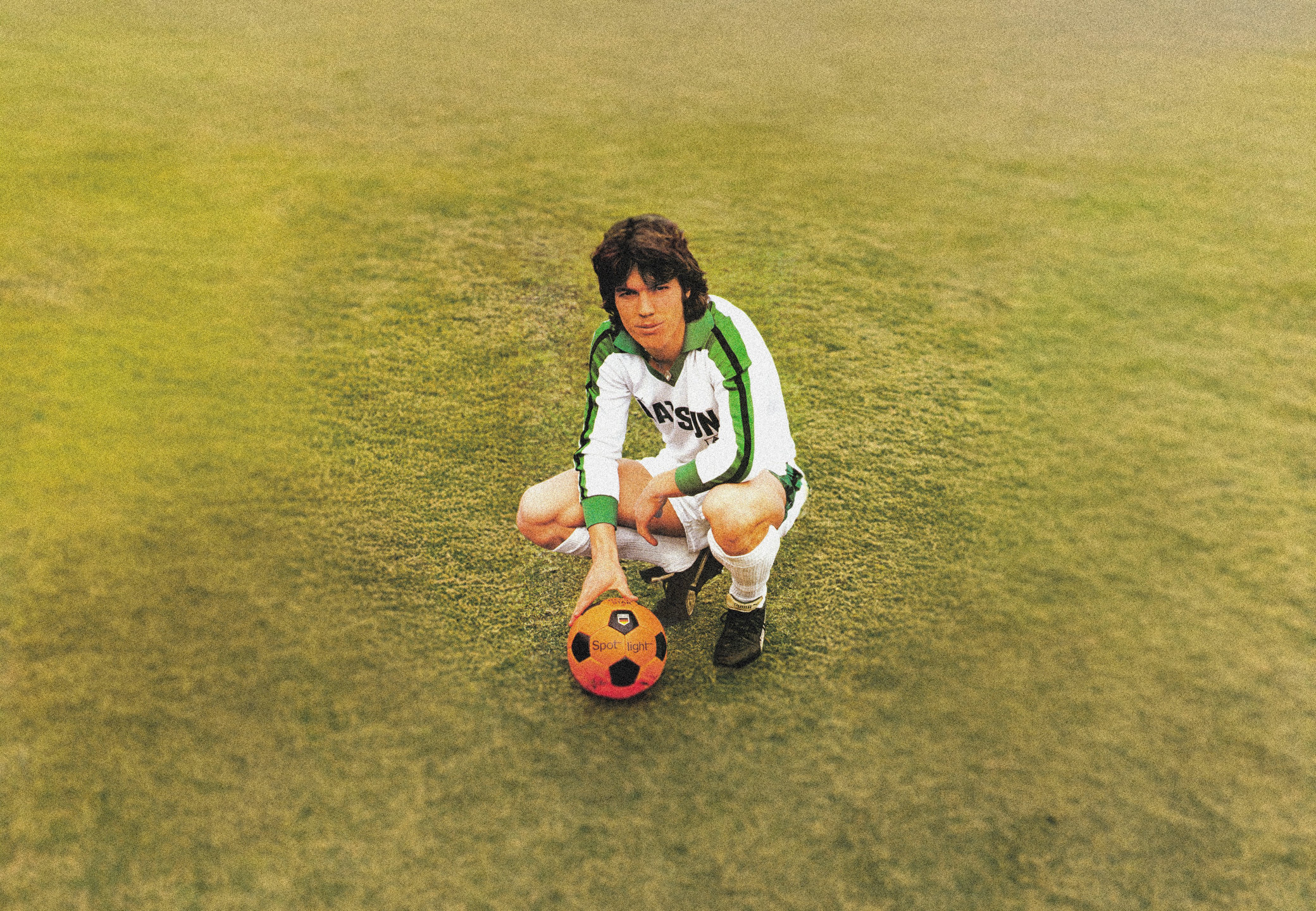
Borussia Mönchengladbach became the first ever team equipped with the tracksuit, coinciding with their rise as one of the most influential teams in European football history of that period. The high-visibility and charisma of national team players like Berti Vogts and Günter Netzer, seen wearing the tracksuit, helped lend allure and identity to the textile.
Günter Netzer (left), Berti Vogts (right)
Becoming a Uniform of Culture

Reaching the intersection between sport and street wear, the T7 transitioned from training item to urban symbol. First worn by athletes, over the decades it was adopted by other communities, like hip-hop and breakdance cultures growing in New York City in the 1970s and 1980s.
It became seen as a staple piece of this movement championing self-expression, and was one of the earliest examples of crossover between performance gear and everyday fashion.
It became seen as a staple piece of this movement championing self-expression, and was one of the earliest examples of crossover between performance gear and everyday fashion.
“Adorned by breakers, ballers, and everyone in between, the T7 is PUMA’s take on the tracksuit. Born for sport and leisure but worn for style and flair.”
– from PUMA Archive
– from PUMA Archive
Ongoing Evolution
Usain Bolt walked the catwalk for PUMA at New York Fashion Week 2022
The T7 has been a consistent thread throughout the archive, adapted and reimagined without ever losing its identity. From trackside beginnings to eventually becoming a cultural mainstay, the iconic training suit endures and stylistically evolves.
In the early 2020s it was rereleased as a set designed for women, with the original top and bottoms turned into a tonal T7 blazer and high-waist shorts.
At PUMA’s 2022 FUTROGRADE show during New York Fashion Week, the T7 was treated as a starting point and pivotal heritage reference.
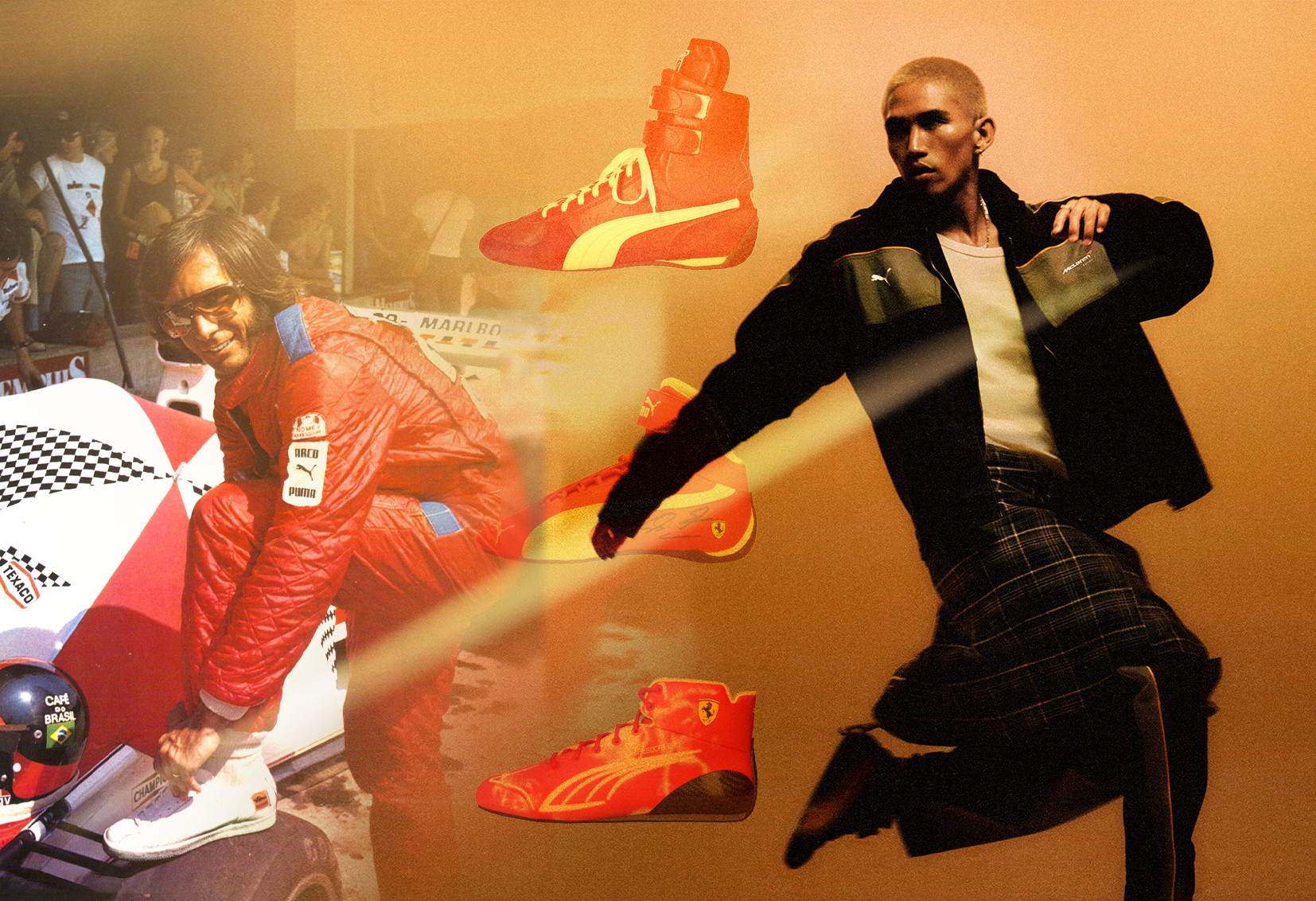
There have been infamous collaborations with international brands and trademarks, from Harry Potter and F1® to Danielle Guizio, Koché and Palomo.
The idea of modern sportstyle can be traced, in part, to PUMA’s introduction of the T7, as the tracksuit shifted from training gear to casual staple and global phenomenon.
The idea of modern sportstyle can be traced, in part, to PUMA’s introduction of the T7, as the tracksuit shifted from training gear to casual staple and global phenomenon.
The T7 Today
Archival, nostalgic and foundational, the T7 is a cultural artifact, maintaining relevance across decades and shifting trends. Nearly 60 years later, it continues to move — in the sporting arena and on the streets, across styles, trends and times, worn by each new generation that finds meaning in the simple yet effective design.How to Wear it Now
More in the Media
Catch up now speaks more languages
To enable as many users as possible to connect with us and be part of our world, we offer CATch up in English, German, French, and Spanish. Please note that these translations are automated and may contain errors.