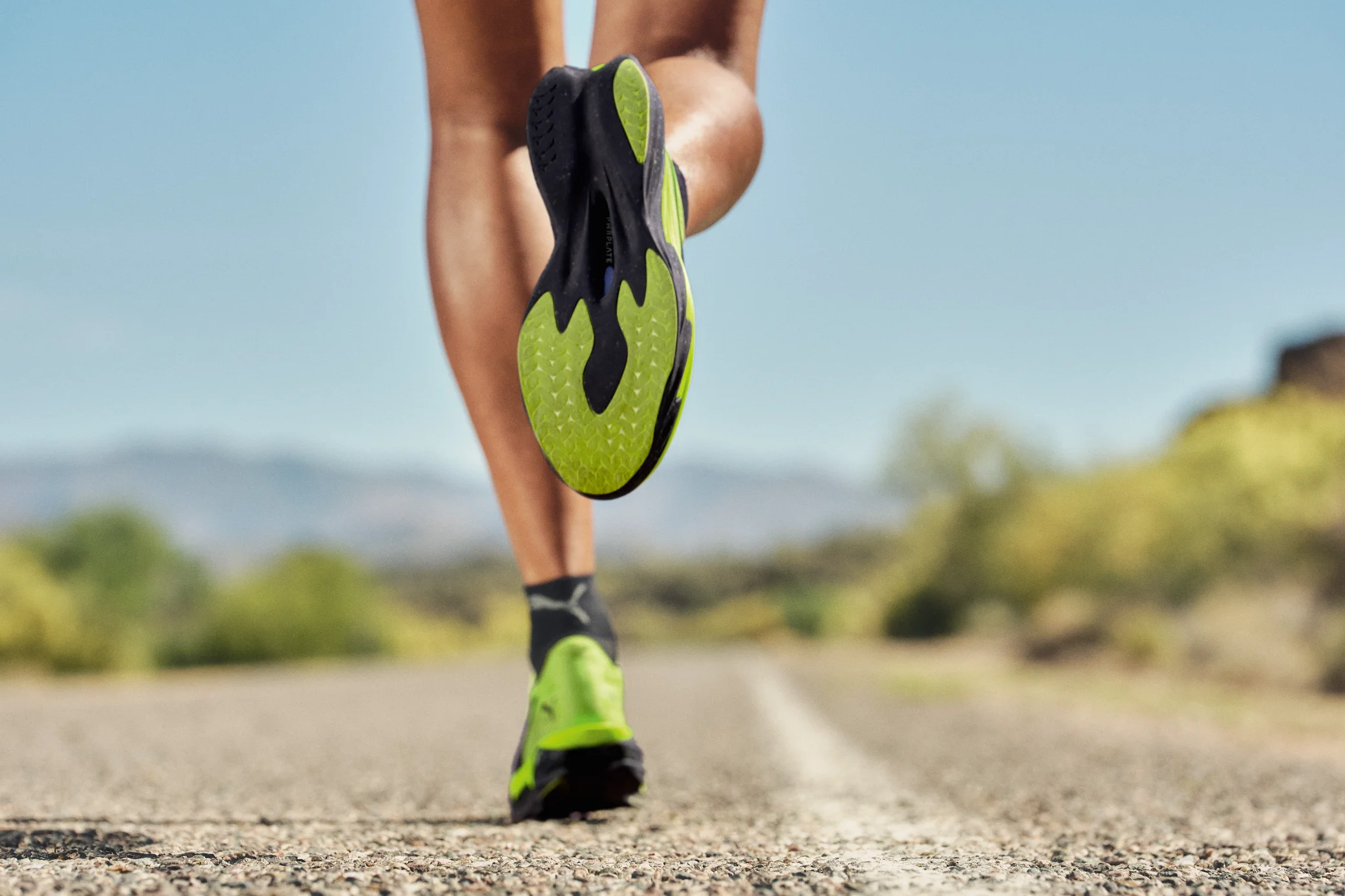
What does it take to create the fastest products for the fastest athletes? At PUMA, it starts with listening to athletes and backing every decision with data. Athlete collaboration is a crucial part of the process, which is why many of PUMA’s elite athletes regularly visit the NITRO LAB in Dillenburg, Germany, to test products, share feedback and help shape the future of performance innovation.
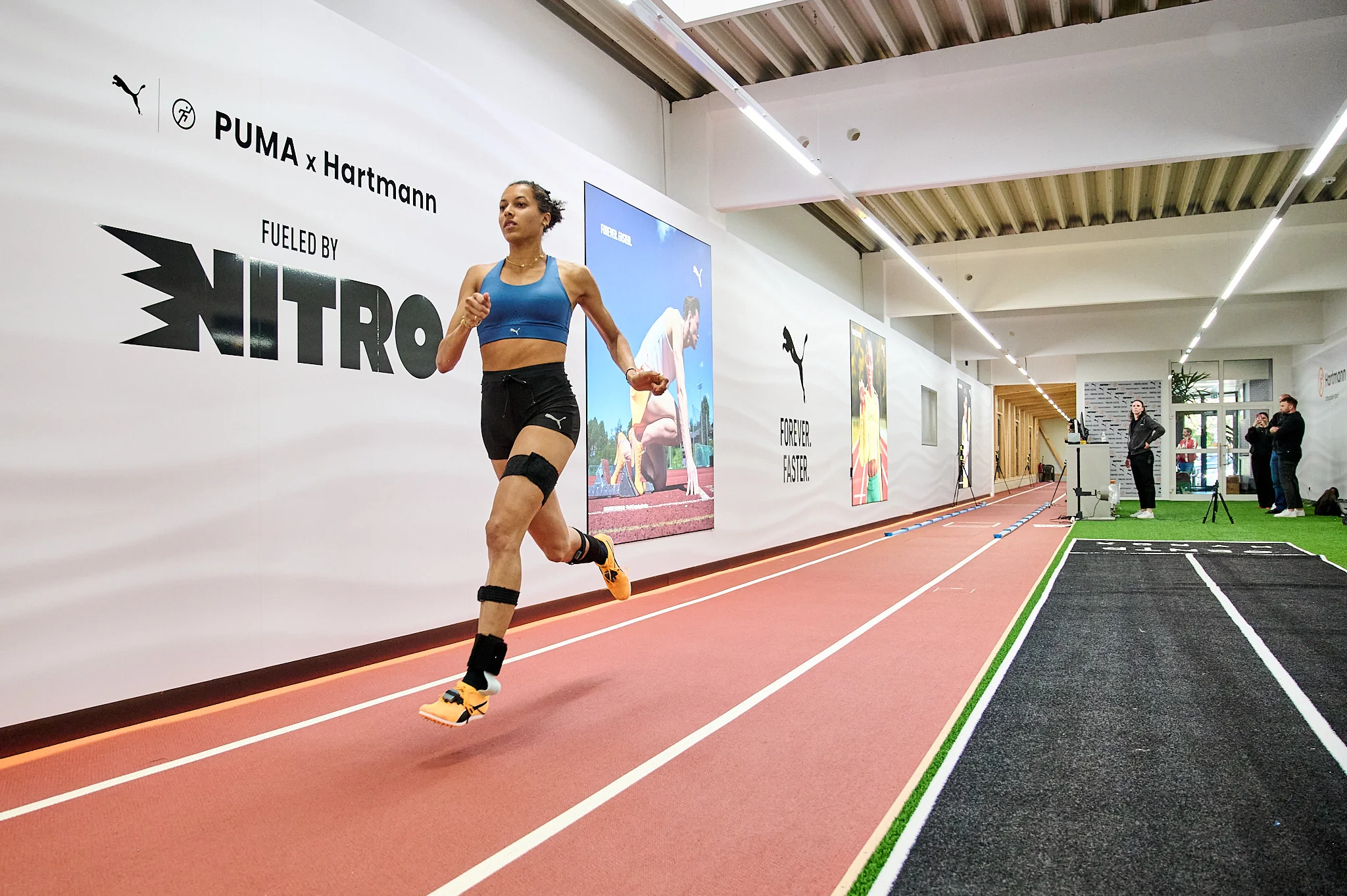
The NITRO LAB, created and operated in partnership with Hartmann Orthopedics & Sports, is a high-performance testing facility where innovation, biomechanics and real athlete feedback come together under one roof. From running‑optimised footwear to football and HYROX, the NITRO LAB supports performance testing across a wide range of disciplines.
This time, we were joined by Swiss middle-distance runner Audrey Werro, one of the sport’s rising young talents and holder of the 800-metres Swiss national record, who experienced the testing process firsthand and shared valuable athlete feedback.
This time, we were joined by Swiss middle-distance runner Audrey Werro, one of the sport’s rising young talents and holder of the 800-metres Swiss national record, who experienced the testing process firsthand and shared valuable athlete feedback.
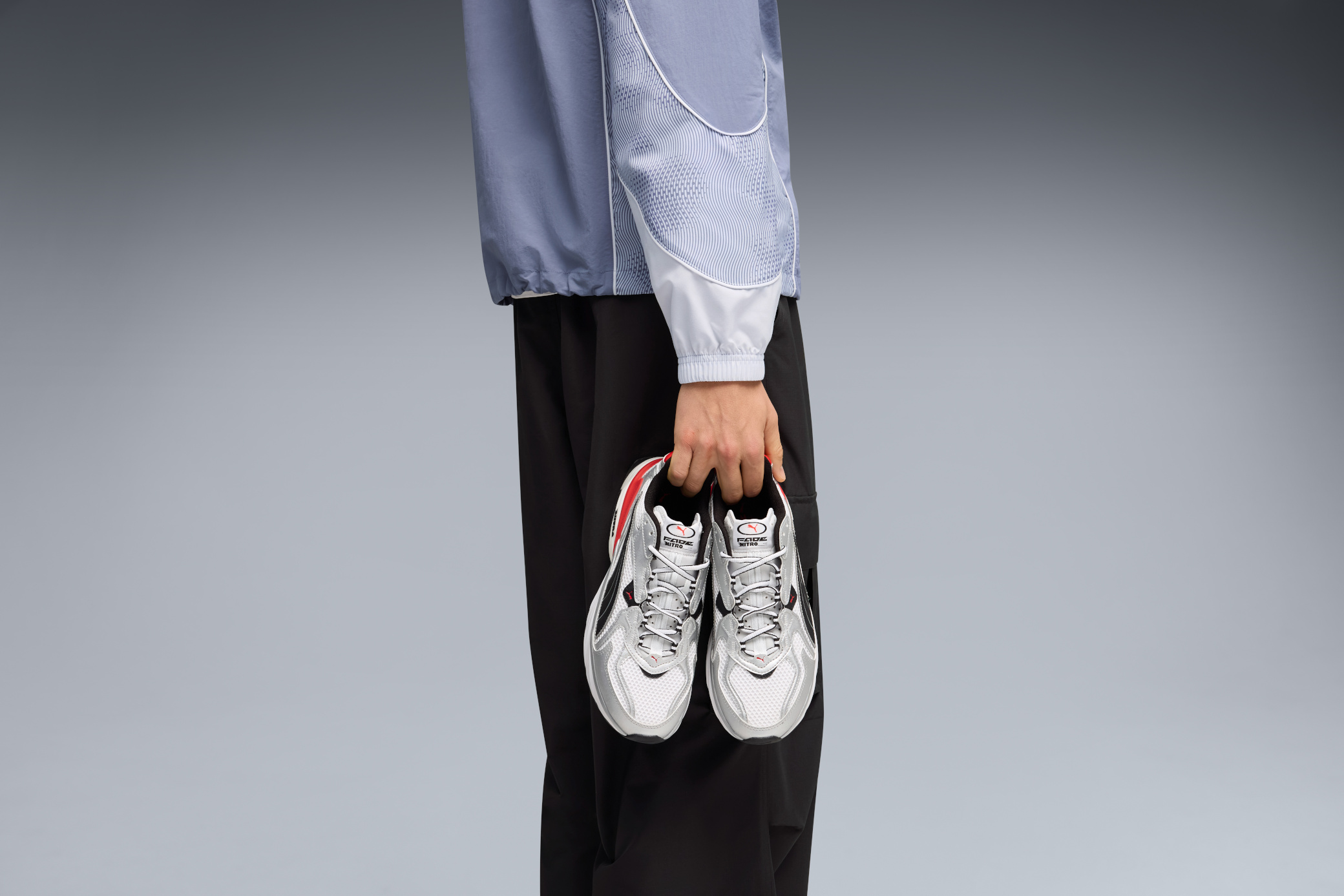
Throughout this story, you may also notice glimpses of footwear that aren’t fully revealed yet. Some of the models featured are early prototypes from upcoming seasons- still in development, still being tested, and not yet ready for the starting line. PUMA CATch UP gives you an authentic look behind the scenes of real testing with real athletes.
“At PUMA everything starts with our athletes. We work with the fastest men and women in the world to help them perform better. Then we use our learnings to innovate our products for the benefit of runners at all levels. The PUMA NITRO LAB becomes critical in driving the insights that will drive the next generation of product development on and off the track.”
– Romain Girard, Vice President Innovation
– Romain Girard, Vice President Innovation
Why Hartmann?
What makes the NITRO LAB unique is that it’s not an in-house testing centre. We deliberately work with external experts to bring additional credibility, specialist knowledge and a fresh perspective to product development.Hartmann has decades of experience in orthopaedics, performance optimisation and custom insoles. Their biomechanical expertise adds another dimension to sports testing- helping athletes not only perform better but also move more efficiently and reduce injury risk.
Just as importantly, the partnership removes the “translation gap” that often exists between testing and product creation. The same experts who analyse movement and foot mechanics can also develop customized insoles for elite athletes directly from the data. The proof? It lies in one of many standout examples: the team produced a sole for PUMA athlete Neymar Jr. under an exceptionally tight timeline, ensuring he was fully prepared for match play. This was made possible through the seamless, single‑source partnership between PUMA and Hartmann.
Where science meets speed
Inside the NITRO LAB, athletes can complete a series of advanced tests designed to understand how the body moves, how footwear performs and how future products can be improved. It’s a place built to push performance forward, challenge convention and uncover the smallest gains that can make the biggest difference. As Romain Girard puts it,“You only find out where the limits are when you go beyond them.”
Biomechanical Testing
Using body sensors and pressure-measuring insoles, athletes can see exactly how force moves through the foot inside the shoe. To bring testing closer to real performance conditions, the facility includes an indoor running track of approximately 60 metres, allowing athletes to accelerate properly and reach high speeds within a controlled testing environment. In addition, there is a dedicated grass-surface area which simulates a football field, ensuring football boots can be tested under authentic surface conditions.The setup has recently been expanded with dedicated HYROX testing stations to gather data reflecting the unique demands of functional fitness racing. These insights were crucial for the development of the newly released PUMA Deviate NITRO™ Elite HYROX and the validation of its performance under sport-specific conditions. The stations include a sled push and pull station, as these movements place very different stresses on the body and require footwear that is optimized for grip and power transfer under load.
Together, this biomechanical setup helps answer key questions such as which shoe best supports an athlete’s performance, where pressure hotspots occur inside the shoe, and how fit or insole adjustments can improve efficiency and comfort.
Motion Analysis & Muscle Activation
Using high-speed cameras, 3D sensors and muscle-monitoring technology, the NITRO LAB can see how an athlete moves and how their body works with every step. Much of this testing takes place on a treadmill that reaches speeds of up to 30 km/h, allowing the analysis of movement in controlled, repeatable high-speed conditions. With this, experts can spot details that are often invisible to the naked eye, such as an uneven stride, one leg working harder than the other or muscles that are using more energy than they need to.The insights can be highly practical. If a runner’s left calf is doing more work than the right, the team can identify the imbalance early and recommend changes in footwear, insoles or training. If an athlete begins to lose power late in a session, the data can also show which muscles are tiring first. By understanding both movement and muscle activity, this can help athletes run more efficiently, perform better and reduce injury risk.
Running Economy Testing
You might be surprised to know that measuring oxygen levels is a key part of PUMA’s footwear innovation process. One of the most powerful tools in the NITRO LAB measures how efficiently an athlete uses energy while running.Wearing a performance mask, athletes’ oxygen intake and carbon dioxide output are analysed while they run in different shoe models. This helps determine how much energy a runner needs at a given pace and which shoe setup performs best.
Every detail matters. Cushioning, fit, geometry and responsiveness can all influence running economy. Because, as Romain puts it, “The shoe should feel like an extension of the body” meaning minimizing wasted energy while maximizing return.
3D Foot Scan
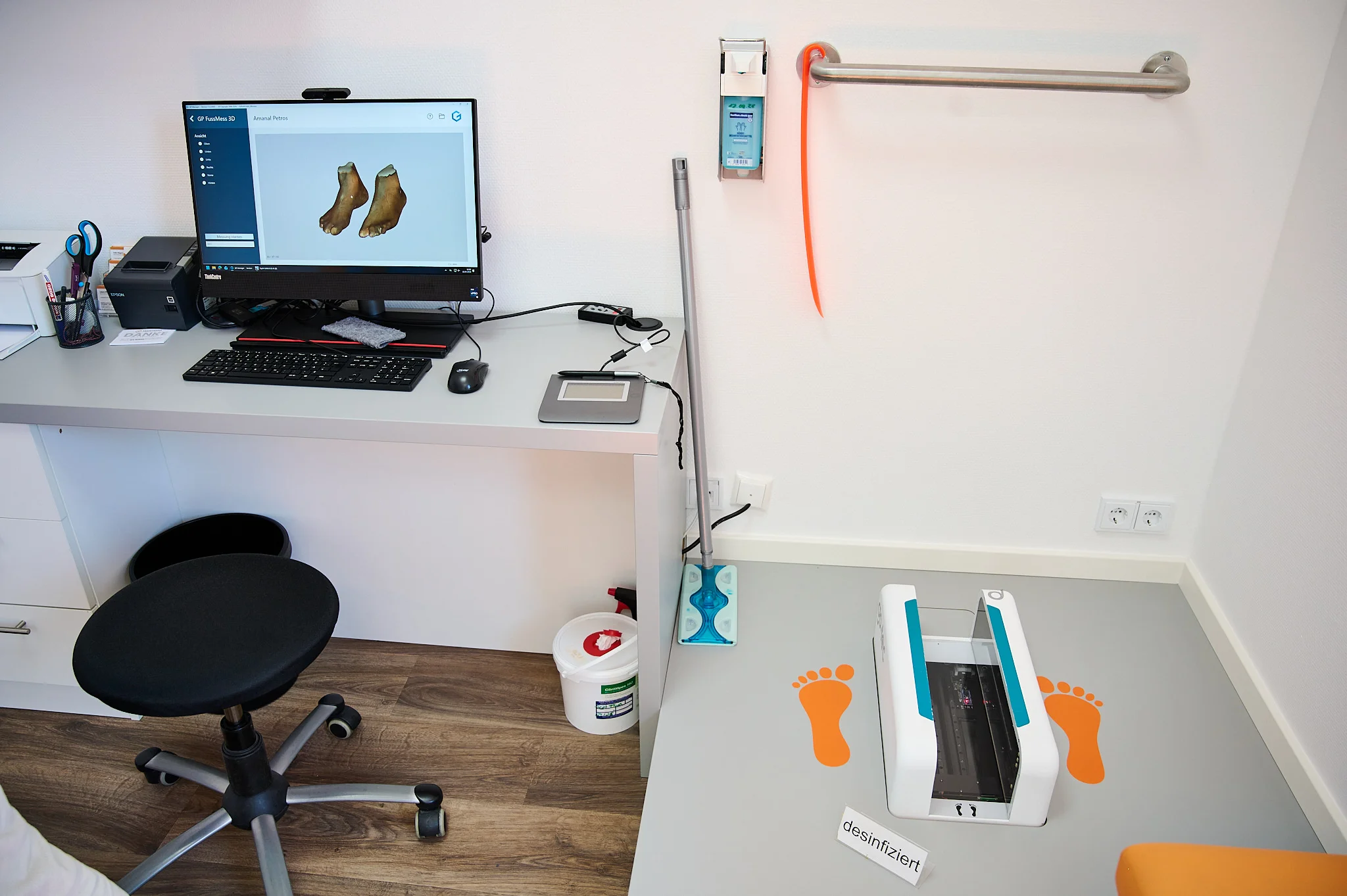
No two feet are the same and the NITRO LAB proves it.Using advanced scanners, athletes receive a full 3D foot map with 41 measurement points per foot. This data helps teams understand ideal fit, shape and support needs.
For some elite athletes, the scan data can even be used to develop fully customized footwear solutions. It also feeds into future last development and next-generation PUMA footwear design.
Built for every athlete
The NITRO LAB supports elite athletes chasing world-class performances, but the learnings go far beyond the top level. Insights gathered here help shape future PUMA products for runners of every ability.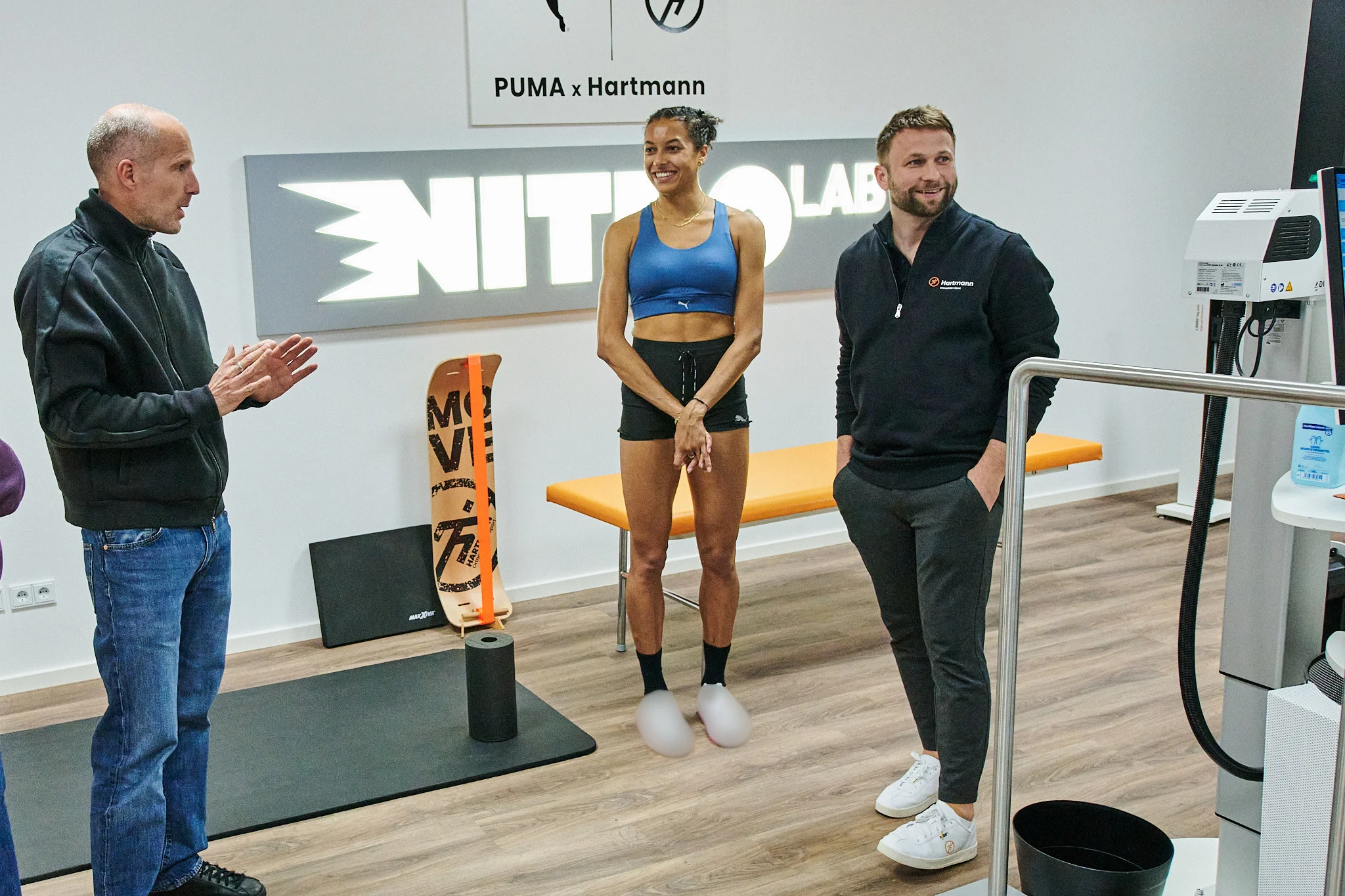
Because whether you’re racing a marathon, training for HYROX or chasing a new PB, innovation should work for everyone.
At PUMA, everything starts with the athlete. And inside the NITRO LAB, the future of performance starts now.
At PUMA, everything starts with the athlete. And inside the NITRO LAB, the future of performance starts now.