Off the Field: How Football Shirts Became a Fashion Flex
The beautiful game’s glow-up from stadium to street
August 27, 2026
For most of football’s long history, spectators couldn’t buy anything like the shirt on the pitch. Here’s how team uniforms broke out of the stadium to become a global fashion phenomenon.
The replica kit boom of the nineties
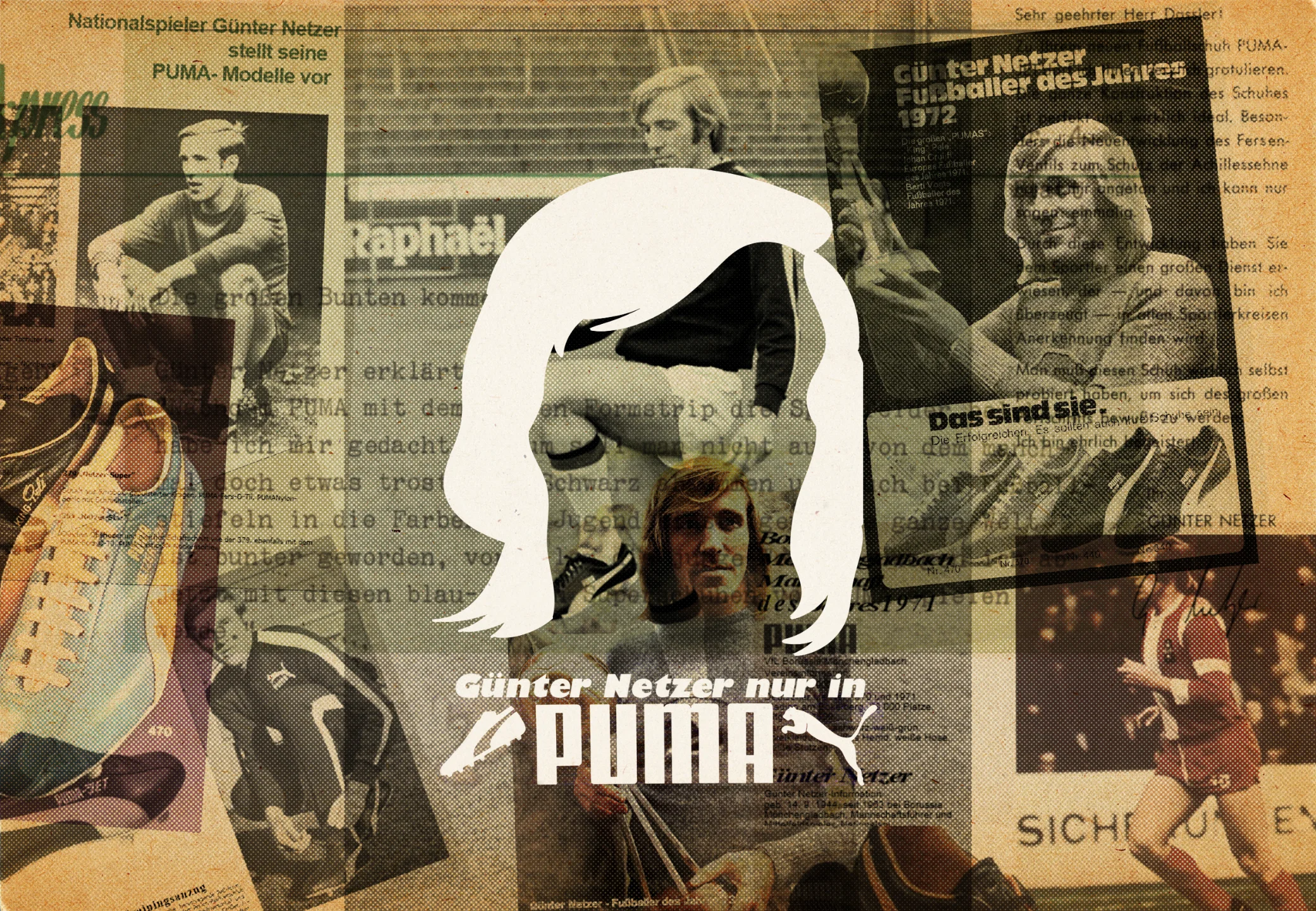
Football shirts were once strictly for players. Fans wore formalwear until the late 1970s, when ‘The Casuals’ turned stadiums into a showcase for high-end European sportswear.The 1990s marked a radical shift in jersey design. The technical upgrade from heavy cotton to lightweight synthetic materials like polyesters enabled manufacturers to experiment with bolder designs, more complex graphics, and a wider range of colour patterns. Kits evolved from plain team uniforms into striking statement pieces.
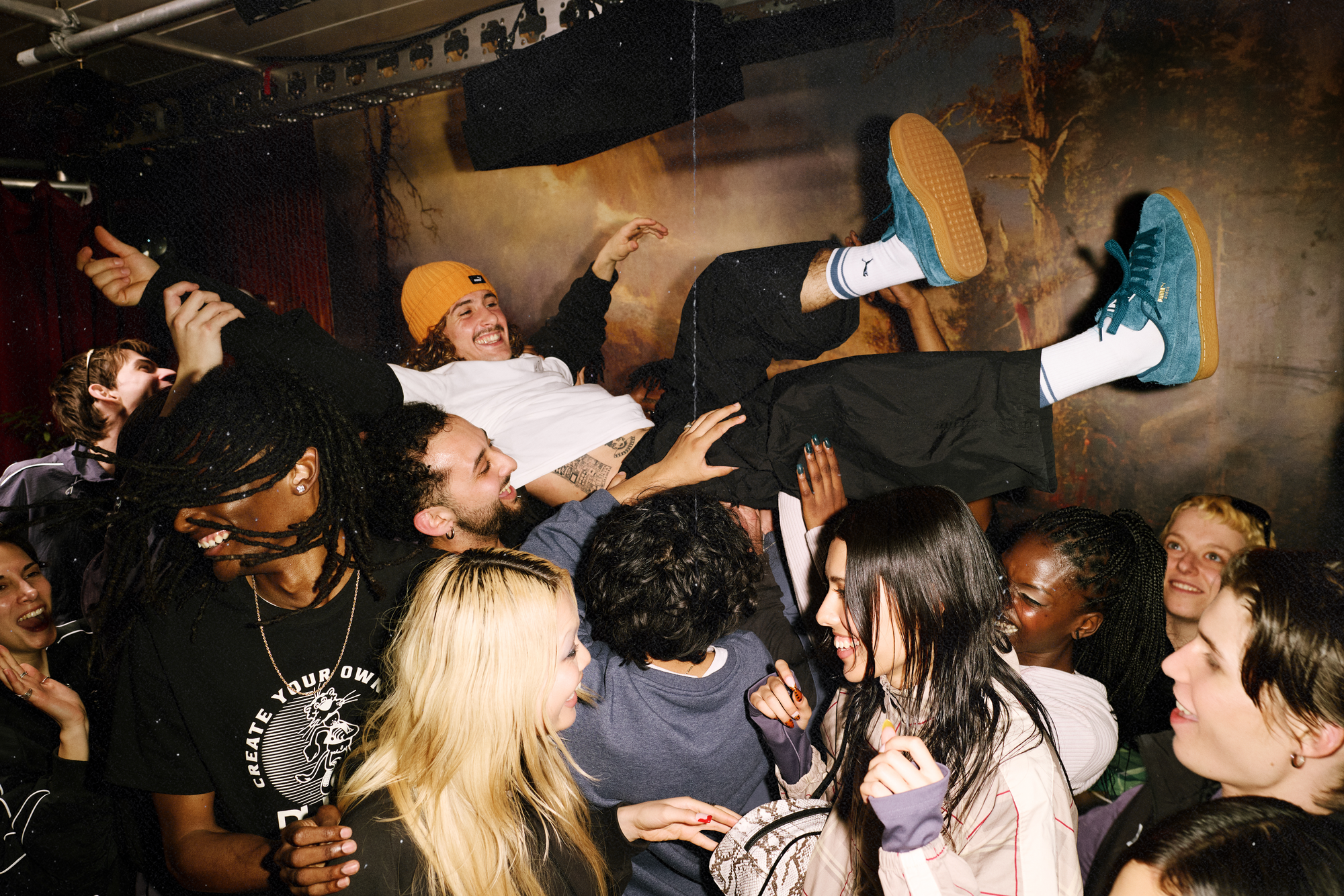
Replica kits then found their way into music. Oversized jerseys were donned on stage and in music videos, cementing the footy shirt as an essential piece of fashion. They became standard attire on high streets, at music festivals, and across youth culture. The worlds of sport, music, and style had merged – and there was no going back.
From uniform to statement
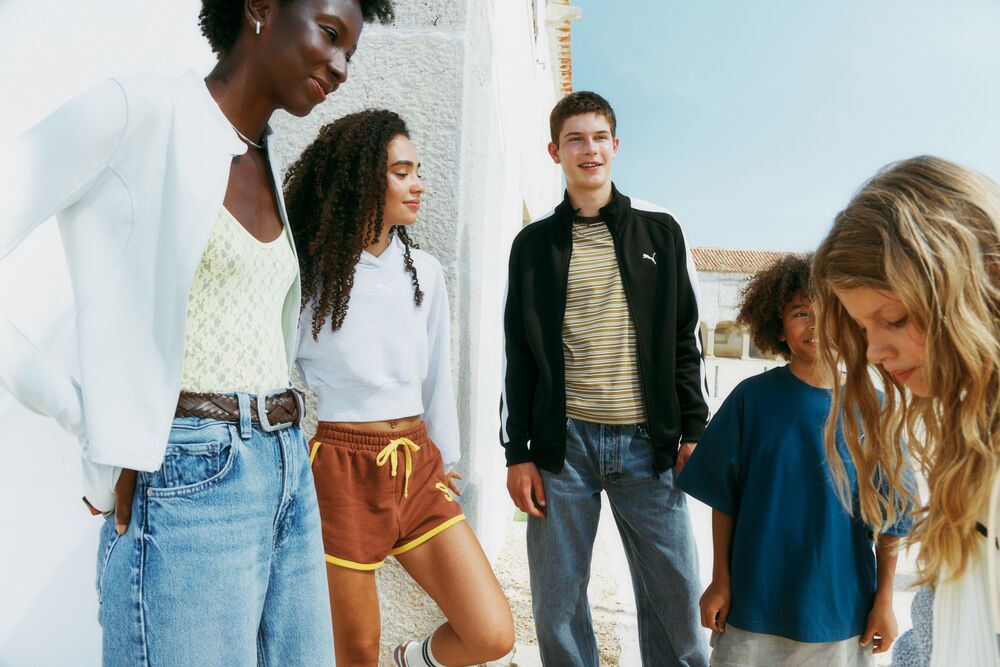
The “bloke-core” trend – built on retro kits, straight-leg denim, and classic sneakers – harks back to eighties Terrace culture. But the aesthetic hasn’t stopped there.In the last few years, fashion has elevated the look. Sportif pairs oversized or cropped football shirts with tailored garments, minimal silhouettes, and luxury fabrics. The PUMA x SALEHE BEMBURY collaboration is the perfect example of this: storytelling via custom, narrative-led graphics.
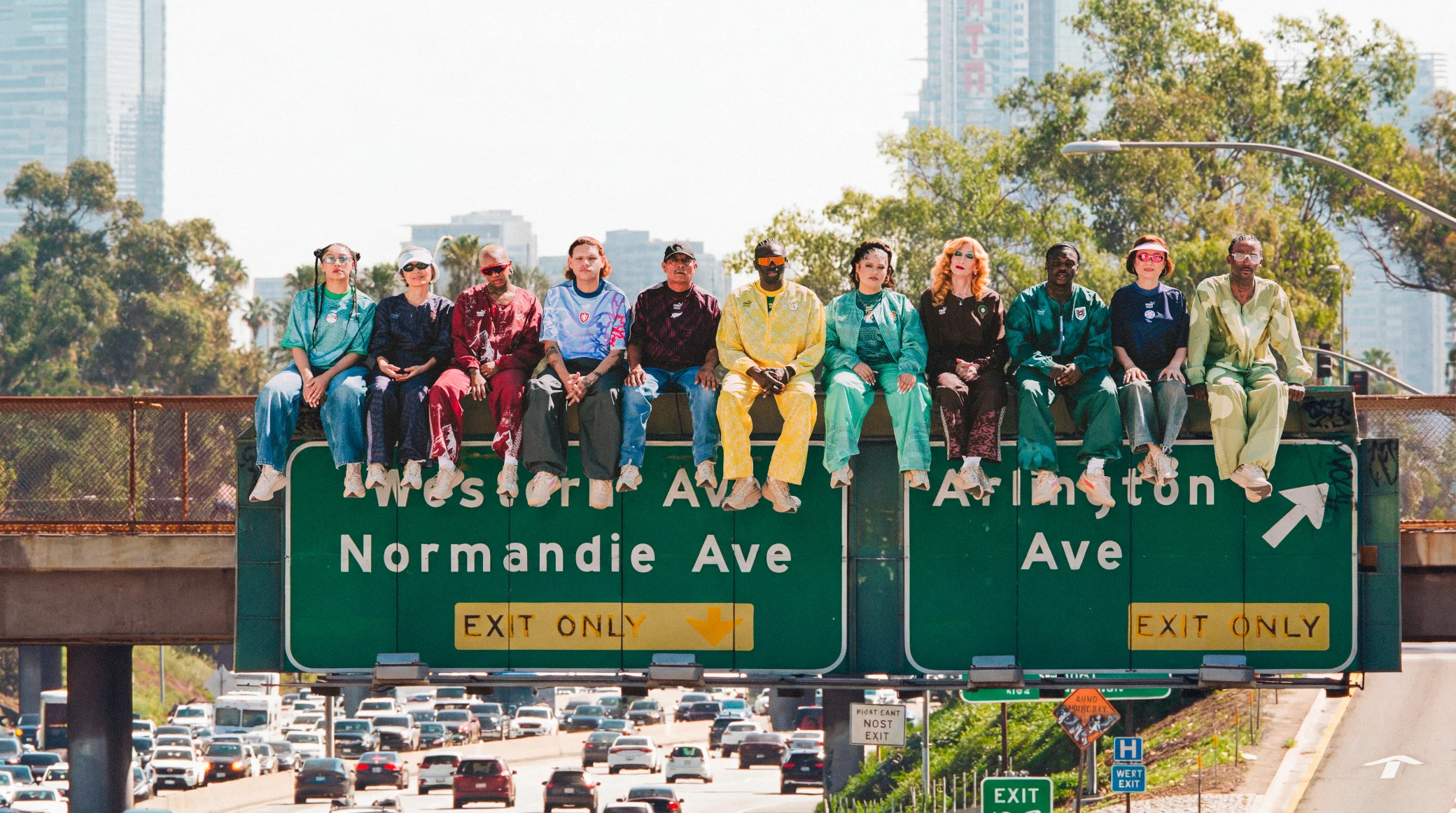
Wearing shirts as a form of identity
Despite high-fashion updates, the core emotional draw of the football shirt remains unchanged. It is all about belonging.Wearing a kit creates an instant community far beyond the stadium gates. It’s a signal, and a subtle green light to smile at, nod, or strike up a conversation with a complete stranger.
Travelling home after a match surrounded by thousands of people wearing the same colours? An unparalleled feeling. Whether your team won or lost, you don’t need to know anyone else in the crowd to feel like you’re among friends.

The non-fan phenomenon
Today, you no longer need to know the offside rule to wear a jersey. Football shirts can now be worn as pure aesthetic statements, driven by retro graphics, distinct colourways, and cultural pride. Thanks to fluid styling and the rise of retro thrifting, they’ve evolved into a versatile – almost genderless – staple.National team shirts in particular serve as global beacons of heritage, instantly connecting members of diaspora communities on streets and at festivals worldwide.
Kits for 2026-2027
It’s a tall order for modern kit designers. Jerseys that simultaneously represent the club’s history, hopes, identity and attract the everyday wearer.With the start of the Premier League, Serie A, and Bundesliga, it’s a design conundrum that fans are already assessing.
As Manchester City’s Director of Retail, Licensing & Integrated Fan Experience, Serena Gosling, said:
“Remaining true to the Club’s identity with our iconic City blue, the kit has a subtle modern twist to bring it into the new season.”
MANCHESTER CITY 26/27 HOME KIT
MANCHESTER CITY 26/27 AWAY KIT
MANCHESTER CITY 26/27 THIRD KIT
Maikel Oettle, Chief Revenue Officer of AC Milan, described the new season kit as
“a design you immediately recognise and feel part of – essential, iconic, and unmistakably AC Milan.”
AC MILAN 26/27 HOME KIT
AC MILAN 26/27 AWAY KIT
AC MILAN 26/27 THIRD KIT
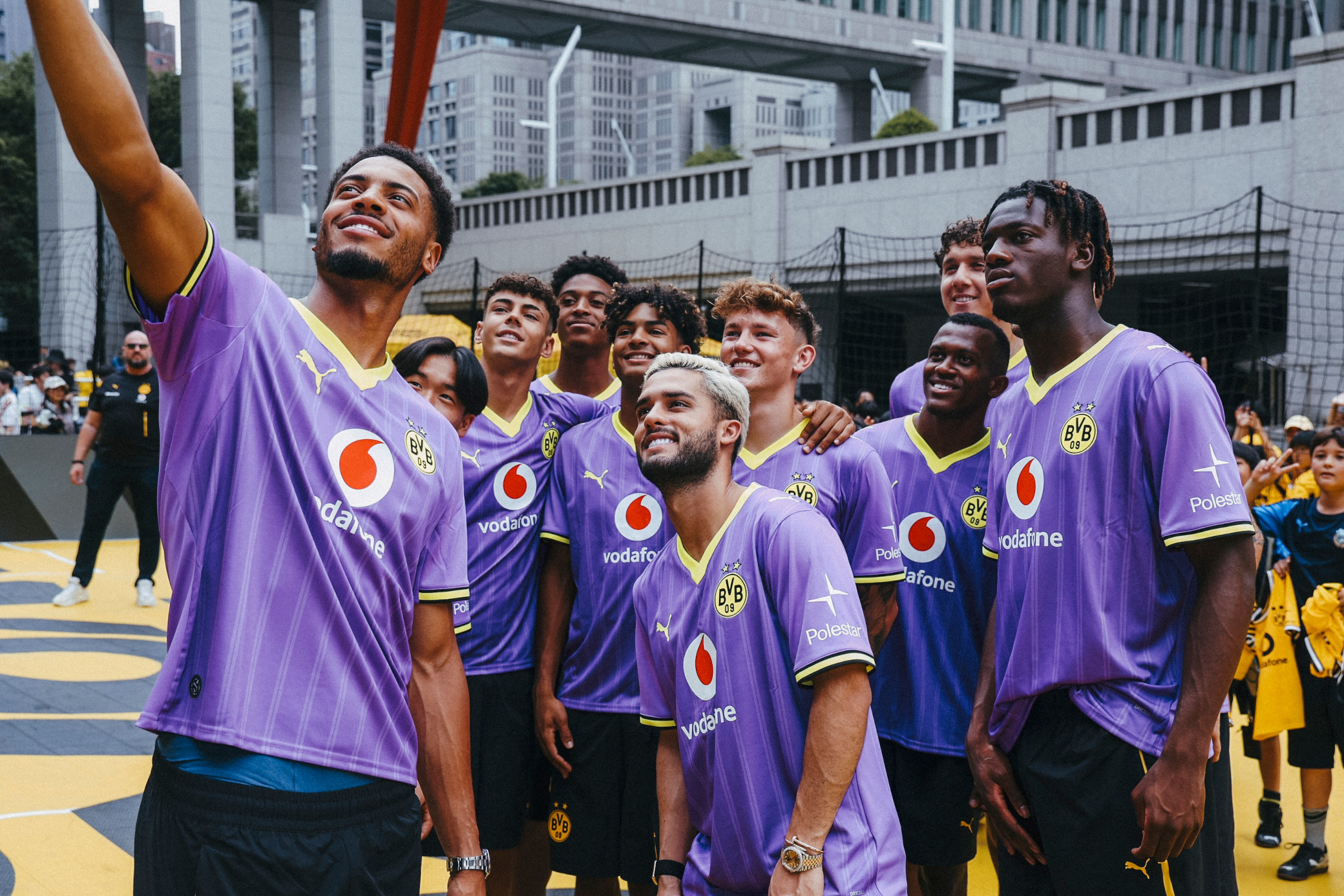
Speaking to the Borussia Dortmund Home Kit release, Maria Kiebacher, PUMA Director Product Line Management Teamsport Apparel, captured this balance:
“Dortmund is a city built on steel and ambition, and everything about this design – the pattern, the story, the campaign – honours that.”
BORUSSIA DORTMUND 26/27 HOME KIT
BORUSSIA DORTMUND 26/27 AWAY KIT
BORUSSIA DORTMUND 26/27 THIRD KIT
Whether it’s a high-concept design or a classic kit, the core appeal remains deeply personal. As Cornelius Wolf, PUMA’s Senior Director Development Apparel, told CATch Up:
“Kids unwrapping a jersey at Christmas, clubs expressing who they are through their colors. Those moments show what a jersey truly means – identity, pride, and belonging.”
From the stiff shirts of the sixties to the street culture of today, the football shirt has constantly evolved. Yet no matter how far a club shirt travels into fashion, it will always belong to the people who wore it first: the fans.