The PUMA RS-Computer: 40 Years Ahead of Its Time
How PUMA pioneered running technology long before wearables became the norm
November 14, 2026
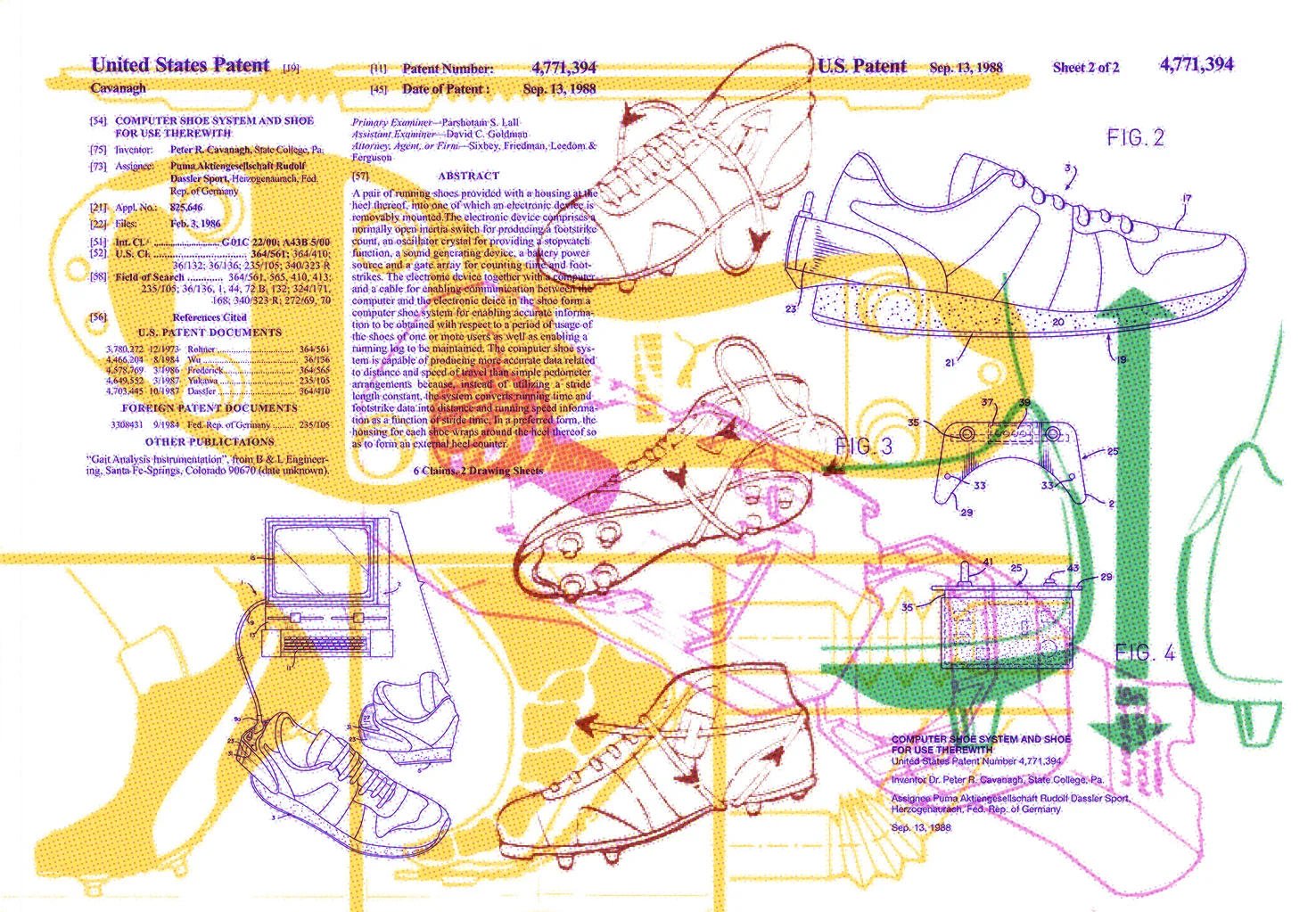
Forty years ago today, PUMA presented the RS-Computer – a running shoe with a computer built into its heel. Long before smartwatches, fitness trackers or even the word “wearable” became part of everyday life, PUMA pushed boundaries and introduced innovations for runners that dared to do things differently.
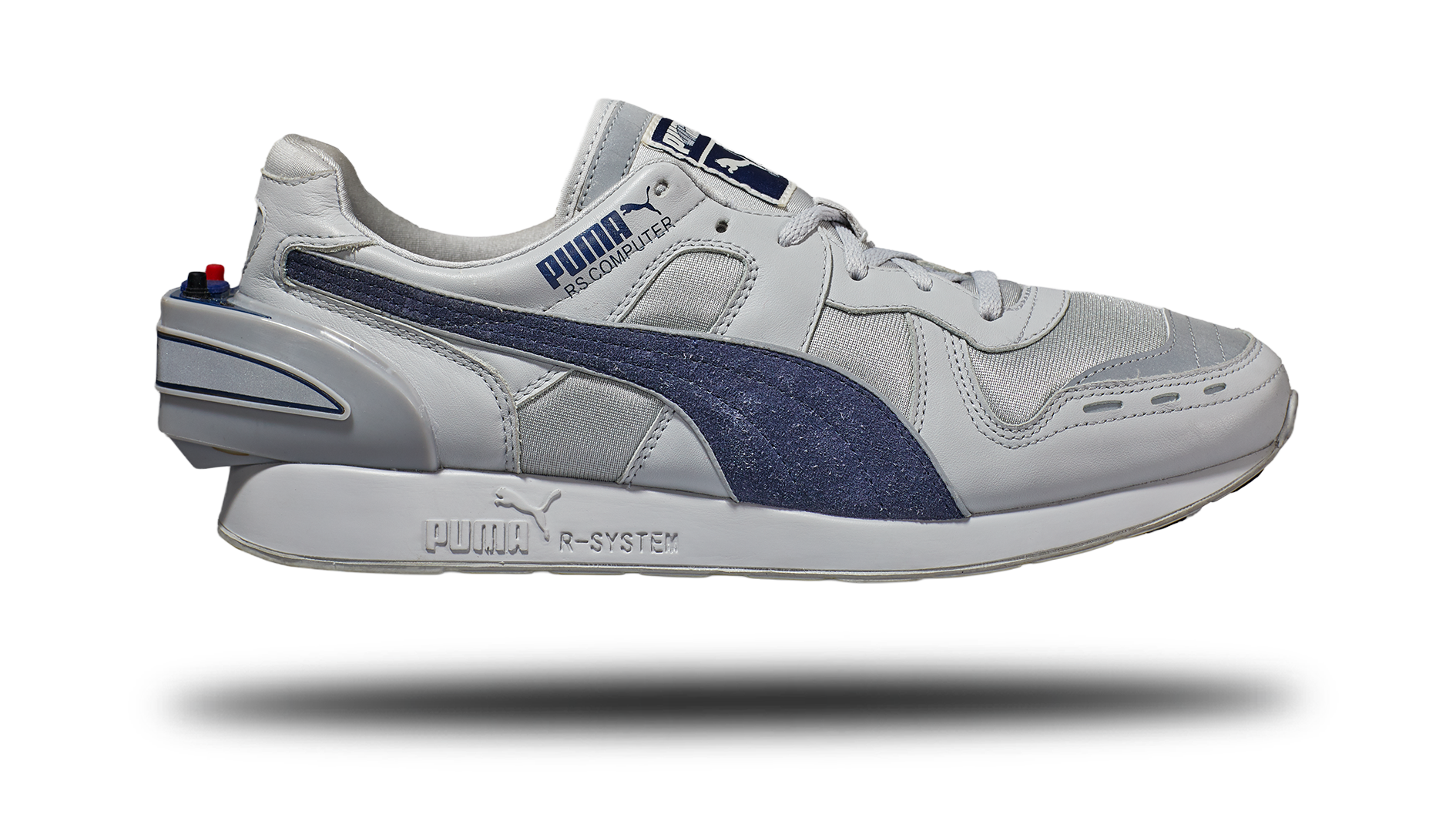
Developed in 1985 together with biomechanics expert Dr. Peter Cavanagh and presented on 14 November 1986 in Las Vegas, the RS-Computer turned an unconventional idea into reality. The “RS” stood for Running System, and the shoe could track time, distance and calories burned. At a time when most runners relied on little more than a stopwatch, PUMA was already asking a question that would become central to modern running:
What if technology could help athletes better understand their performance?
What if technology could help athletes better understand their performance?
RS Computer Ad from 1986
“The RS-COMPUTER was the world’s first computer-integrated running shoe – one of the true milestones in the evolution of athletic footwear.”
Helmut Fischer, Founder of the PUMA Archive
Helmut Fischer, Founder of the PUMA Archive
It aLL started with the athlete
The story of the RS-Computer is closely connected to legendary American marathon runner and PUMA athlete Bill Rodgers.
Bill won the Boston Marathon four times, including three consecutive victories from 1978 to 1980. Dr. Cavanagh used Bill’s race-winning shoes as the basis for early biomechanical analyses, studying how athletes moved and how their footwear performed under the demands of running.
Bill won the Boston Marathon four times, including three consecutive victories from 1978 to 1980. Dr. Cavanagh used Bill’s race-winning shoes as the basis for early biomechanical analyses, studying how athletes moved and how their footwear performed under the demands of running.

Bill Rodgers in a PUMA marathon campaign from the 1980s
This offered a new perspective on running shoe development: looking beyond the shoe itself to understand the athlete, how they move and how those insights could help improve performance. That thinking eventually helped shape the RS-Computer.
“The RS wasn’t just about data alone, it was about using that data to prevent injury and improve performance, goals that are just as important today as they were in 1985.”
Dr. Peter Cavanagh
Dr. Peter Cavanagh
Why it was revolutionary
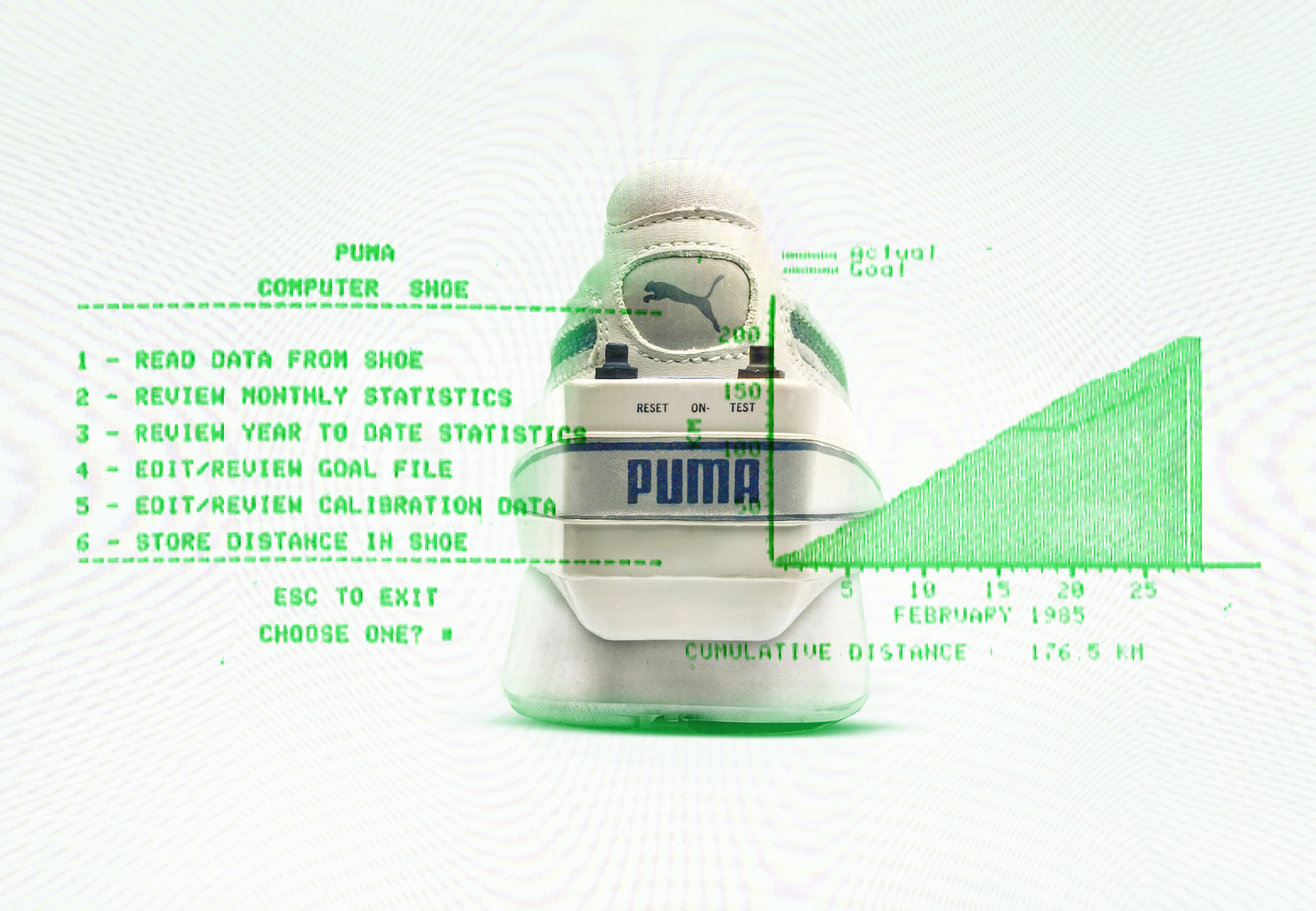
The RS-Computer hid a small computer chip inside a module at the back of the heel. As athletes ran, it automatically logged three things: time, distance and calories burned.
But the real leap came after the run. PUMA’s software turned the collected data into charts, allowing runners to compare past runs and track their performance against future goals.
Today, that sounds routine. In 1985, it was startling. There was no smartphone and no GPS watch. Connecting a running shoe to a computer to understand performance felt like science fiction strapped to the foot.
RS Computer remake from 2018
Always looking for what’s next
With the RS-Computer, PUMA explored what might be possible before it became the norm. It was a bold idea that challenged conventions and rethought what a shoe could do for an athlete.
That same drive to rethink performance continues in PUMA Running today: from NITRO™, the best foam technology in the industry, to PWRPLATE, challenging traditional running shoe design with a curved carbon-fibre plate, and much more.
Over the years, PUMA has continued to push boundaries and introduce innovations that dared to do things differently. The innovations may have changed, but the mindset remained the same: challenge conventions, put athletes first and never stop exploring what could be next.
Discover more of PUMA’s legacy that pushed boundaries:
A History of Firsts: 4 Decades of PUMA Innovation
PUMA has been challenging the status quo for nearly 80 years. In the first of this two-part series, we look back at the brand’s first few formative decades.
Read More
From the Nineties to Now: A History of Firsts
We’ve never been interested in playing it safe. In the second of this two-part series, we explore how PUMA’s engineers and designers have made bold choices to make athletes perform at their best and set new industry trends.
Read More