Take a look inside the PUMA Archive
Plus: how one man’s passion saved decades of history to inspire PUMA’s future
October 12, 2026
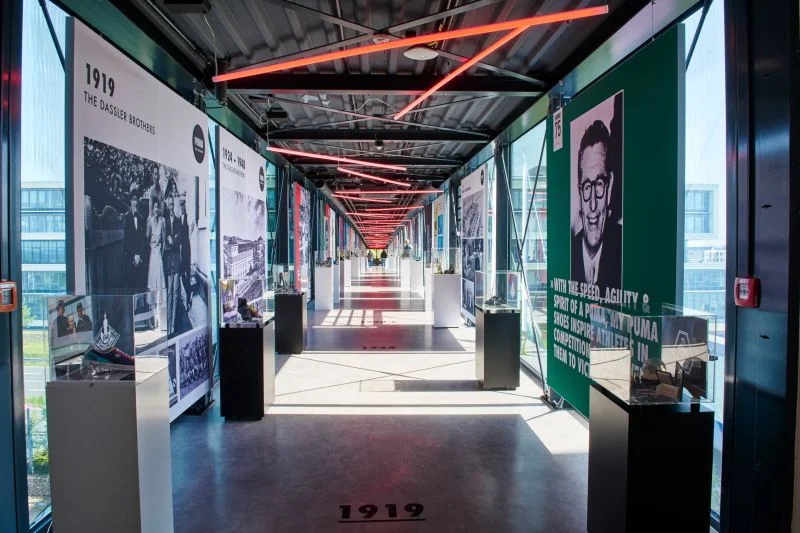
Design milestones, world-famous shoes, and displays charting progress over the decades – at PUMA HQ, sports history is tangible. In fact, walk the glass bridge connecting the SoHo and NoHo buildings, and you’ll be transported on a journey that makes the past part of the everyday employee experience.
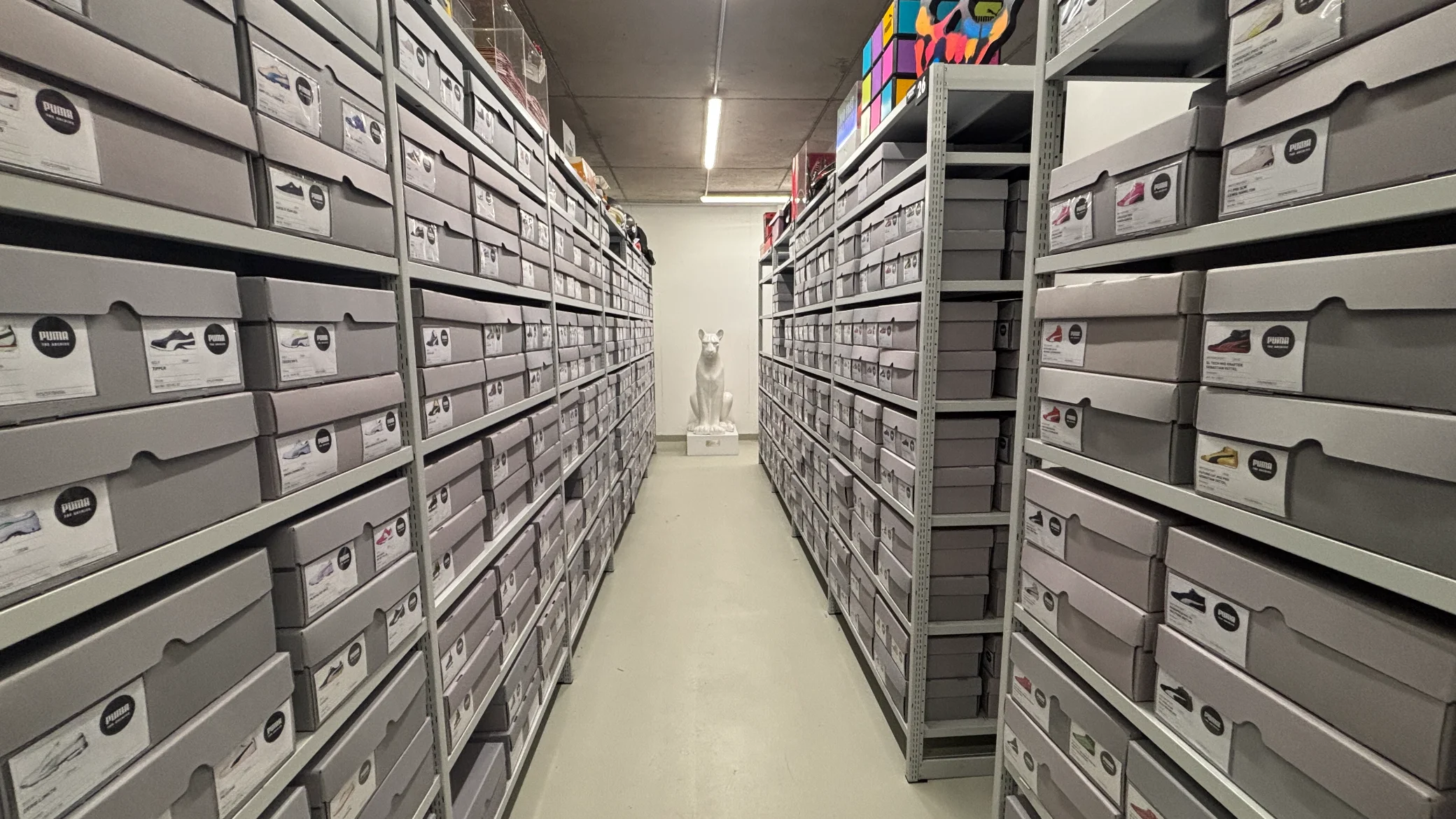
Far from being a static memory bank, the PUMA Archive serves as a constant source of inspiration. With more than 7500 shoes and items of apparel collected from over seven decades, the Archive team has their work cut out restoring, maintaining, and showcasing.
The vast PUMA Archive collection did not, however, begin with a company mandate. It all stems from one man’s determination to save history from destruction…
The vast PUMA Archive collection did not, however, begin with a company mandate. It all stems from one man’s determination to save history from destruction…
The rescue mission
Rewind to 1978. Helmut Fischer began working at PUMA and founded the first advertisting and sports marketing department. At this time, there was just one small room storing old models of shoes. No official Archive existed.“No one knew what to do with them,” he says. “I asked if I could take care of it and nobody disagreed.”
After Armin Dassler had left PUMA in the late 1980s, PUMA’s new owners were not interested in preserving historic items and ordered many old shoes and catalogues to be destroyed. Helmut, sensing the importance of such pieces, saved as many as he could – even privately renting a storage garage.
“The history of PUMA – and, of course, that of the Dassler brothers – has always fascinated me, and I couldn’t bear to let it disappear.”
Helmut Fischer
Helmut Fischer
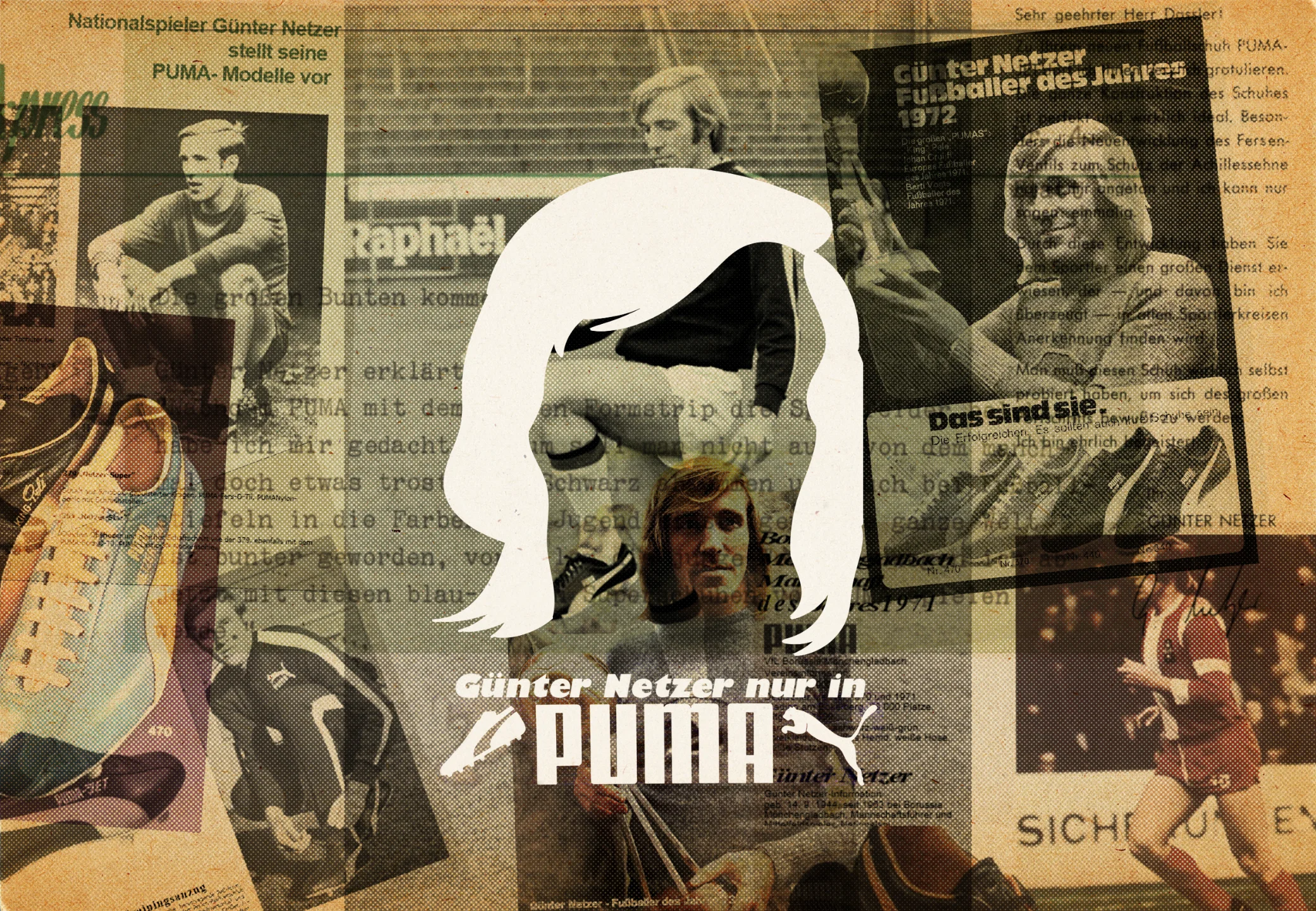
Helmut’s work and dedication continued. Over the years, he amassed an extensive collection of autographs, photographs, historic documents, marketing materials and, of course, shoes and apparel.
Slide of Linford Christie's iconic PUMA contact lenses
Box for an original PUMA Pelé T7 Track Suit
Various product catalogues from the 1970s
“It isn’t just about showcasing individual products or memorabilia,” explains Helmut. “The goal is to make connections between the various chapters visible. Only when you weave all these stories together does the big picture emerge, and for me, that is the unique strength of our Archive.”
Securing the legacy
Fast forward to 2012, and Helmut – now known as Mr. PUMA given his history and commitment to the brand – brought the items back, setting up a “collector’s room”. This was the foundation for the Archive as it exists today.In 2017, digitisation began. High-tech tools such as 3D scanners captured the collection. The database is now searchable: a digital library for anyone at PUMA to consult. This was a critical step for the Archive in Helmut’s eyes.
“It was always important to me that the Archive not be a closed-off space, but rather something accessible and tangible for all PUMA employees worldwide. Everyone should have the opportunity to discover our history, learn from it, and be inspired by it,” he explains. “The complete digitisation of the Archive has made exactly that possible.”
“Seeing how naturally the Archive is used and appreciated today is something very special to me.”
Helmut Fischer
Helmut Fischer
Manager PUMA Archive Tung Hoang (right) with Skepta
This level of usage is still a relatively recent achievement. Tung Hoang, Manager at the PUMA Archive, describes his joy in being part of the progress over the last five years.
“From unpacking moving boxes and sorting through loose shoes on shelves at the beginning, to now: a properly organised physical and digital space that helps us preserve PUMA’s legacy – and one we can proudly present to employees, guests and partners.”
“From unpacking moving boxes and sorting through loose shoes on shelves at the beginning, to now: a properly organised physical and digital space that helps us preserve PUMA’s legacy – and one we can proudly present to employees, guests and partners.”
Teame Debesay, Junior Manager at the PUMA Archive and the person responsible for digitising, explains why this level of detail matters. “You have to understand the past to create something new. Being able to see that history up close and experience it in person is what makes the Archive so special.”
Teame Debesay – Junior Manager PUMA Archive
From static museum to active design tool
Far from being a quiet museum of the brand, the PUMA Archive is a hands-on library. Whether in-house designers are gathering inspiration for an upcoming season, or creative visionaries like A$AP Rocky and Skepta are searching the vault for iconic silhouettes, the PUMA Archive is the destination.Ulrich Planer, Lead at PUMA Archive, explains how the Archive is structured today. The Design Archive contains what we might initially think of: scanned footwear and apparel products (over 7500) accompanied by extensive background information. Those visiting in person can handle and examine items.
The Archive Server, meanwhile, contains 50,000 digitised catalogues, advertisements, photographs, slides, annual reports, and other historical materials. PUMA employees and collaborators can view these, along with the scanned products, from anywhere in the world.
A$AP Rocky visiting the Archive
Kai Havertz getting a tour across the PUMA bridge
“We regularly interview former colleagues, athletes, and brand ambassadors to gain deeper insights into the stories behind specific product launches and key moments in PUMA’s history,” he explains.
Ulrich Planer, Lead PUMA Archive, in the PUMA Archive with track & field legends Jonathan Edwards and Colin Jackson
“The insights gained through this research can add a whole new dimension to a product’s story, transforming it from a simple Archive piece into a rich and authentic part of PUMA’s heritage.”
Ulrich Planer
Ulrich Planer
Take a look inside
What’s next for the PUMA Archive?
March 2018 saw the Archive begin its move from Würzburger Straße in Herzogenaurach to the newly built NoHo building at PUMA Headquarters. There, the collection spans 220 m² and 580 meters of shelving. But the work is far from finished.“In the coming months, our Archive will grow to almost three times its current size thanks to an additional storage facility on Zeppelinstraße next to the HQ,” explains Ulrich. “This will enable us to bring around 400 storage boxes of historic PUMA products from Nuremberg back to Herzogenaurach.”
“Every box has the potential to reveal forgotten products, remarkable innovations, and unique moments from our history, helping us preserve and share the rich legacy of the brand for years to come.”
Ulrich Planer
Ulrich Planer
The PUMA Archive has yet to reveal all of its secrets. Work continues every day to restore, record, and share the treasures. The Archive team works tirelessly to answer research requests that come in from a whole range of departments: Marketing; Legal; Corporate Communications.
“The Archive is far from the quiet and dusty place people might imagine. Every day brings new discoveries, unexpected questions, and fascinating stories. There is no such thing as an average day in the PUMA Archive!” exclaims Ulrich.
“The Archive is far from the quiet and dusty place people might imagine. Every day brings new discoveries, unexpected questions, and fascinating stories. There is no such thing as an average day in the PUMA Archive!” exclaims Ulrich.
We couldn’t resist asking Mr. PUMA himself, Helmut Fischer, what his favourite item is, of all the treasure on offer.
“My standout piece is the 1970 Pelé PUMA King – the actual boot from the World Cup final between Brazil and Italy, when he became world champion for the third time. It was the pinnacle of Pelé’s career, and we have it here in the PUMA Archive.”