Trail vs. Road : Le matériel de course à pied dont vous avez vraiment besoin
Que vous battiez le pavé ou que vous naviguiez sur des lignes de crête, voici comment vous préparer pour les deux.
12 mai 2026
Les courses à pied ne sont pas toutes identiques. Entre la prévisibilité de l'asphalte et le chaos irrégulier d'un sentier, il s'agit de deux sports presque entièrement différents. Si vous vous trompez d'équipement, vous risquez non seulement d'être mal à l'aise, mais aussi de vous blesser et de réduire vos performances à néant.
Voici comment savoir exactement ce dont vous avez besoin, et pourquoi c'est important.
Voici comment savoir exactement ce dont vous avez besoin, et pourquoi c'est important.
Chaussures - Votre décision la plus importante
S'il est un domaine auquel vous devez accorder une attention toute particulière, c'est bien celui des chaussures. Aucune pièce d'équipement n'aura plus d'impact sur votre course.Chaussures de course sur route
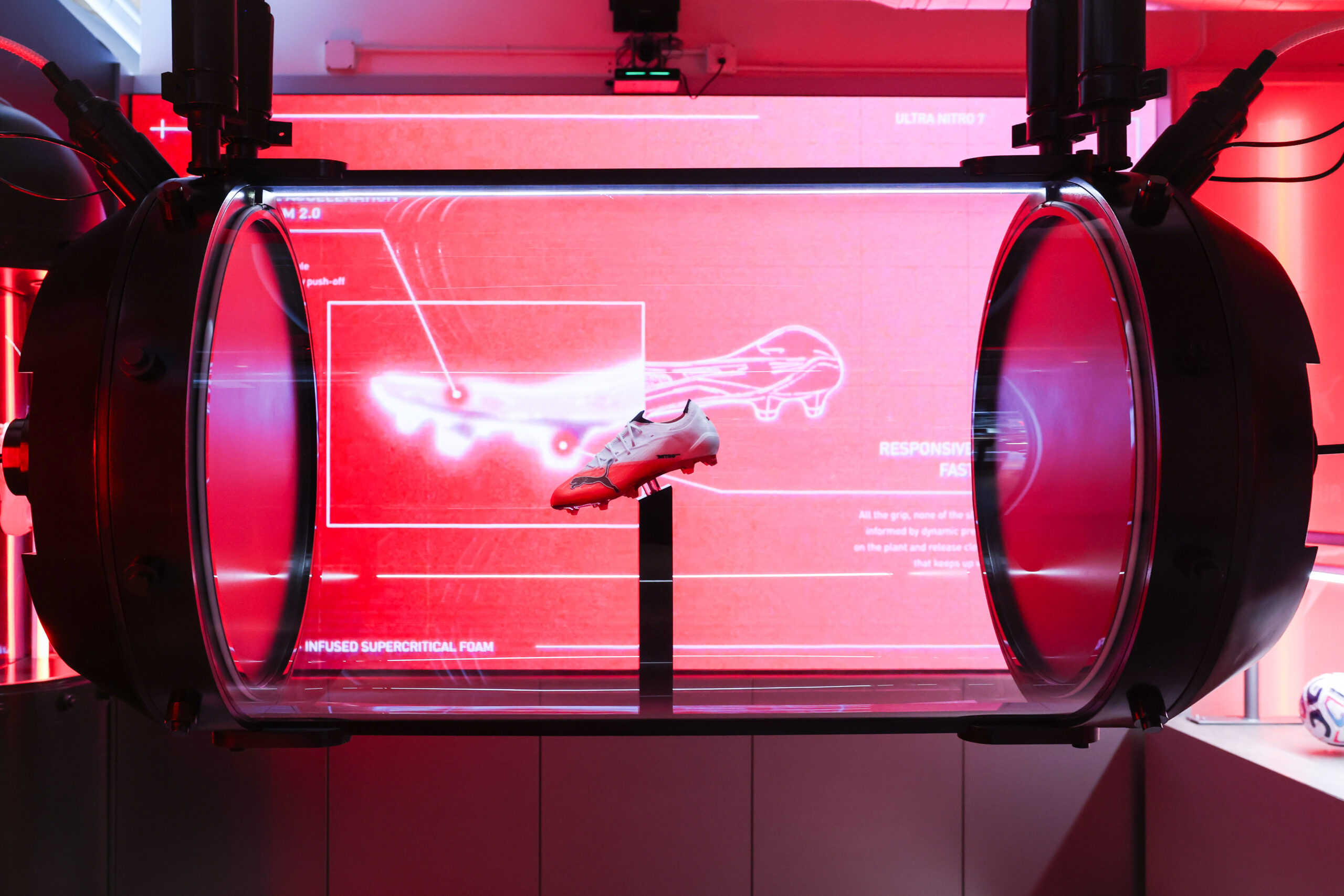
Il s'agit des fondations de tous les jours, conçues pour supporter des matériaux artificiels qui ne cèdent pas sous l'effet de la pression.Les chaussures de route sont construites selon deux axes principaux : la vitesse et l'amorti. Les chaussures modernes sont fabriquées à partir de matières premières avancées et de qualité supérieure, comme le NITROFOAM, l'ULTRAWEAVE, le PUMAGRIP et le PWRPLATE de PUMA. Ces matériaux permettent aux coureurs d'aller plus loin et de libérer le meilleur de leur potentiel. Que vous recherchiez des chaussures optimisées pour la course sur route, un amorti ou un soutien au quotidien, ou que vous souhaitiez simplement courir tous les jours en toute légèreté, il existe une chaussure parfaite pour vous.
Chaussures de trail running
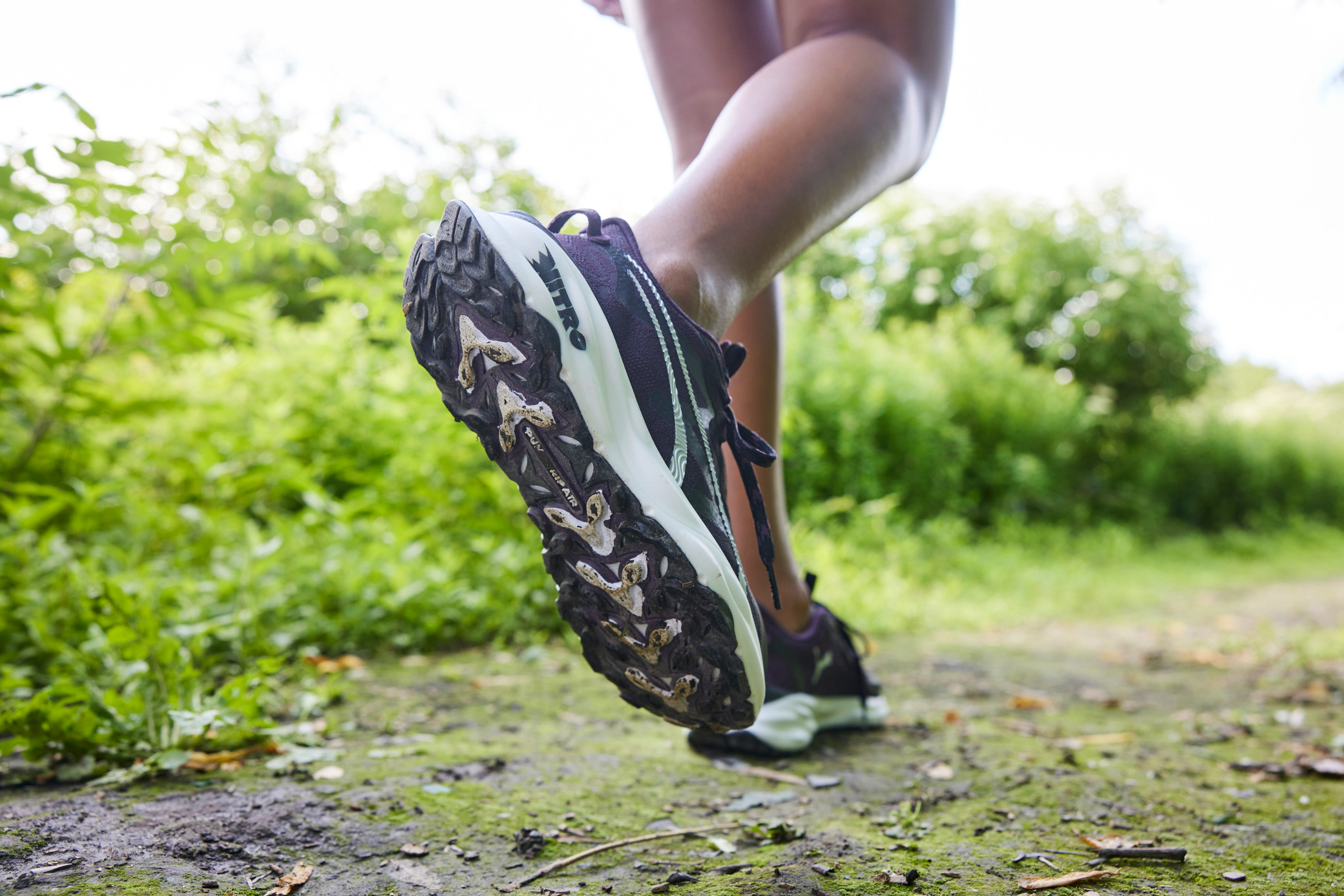
Les chaussures de trail répondent à un ensemble de défis totalement différents.Le trail running est synonyme de nature et d'aventure, mais aussi de boue, de gravier meuble et de systèmes racinaires humides. Les chaussures de trail sont conçues pour assurer votre sécurité et votre stabilité, en mettant l'accent sur l'adhérence et la stabilisation.
Faire correspondre les chaussure à la surface, à chaque fois. Courir avec une chaussure de route sur un sentier risque de provoquer des blessures et courir avec une chaussure de sentier sur un trottoir sera inutilement lent.
Besoin d'aide pour trouver la chaussure idéale ?
Utiliser cette Recherche de chaussures de course pour découvrir la chaussure de course PUMA idéale pour votre foulée, vos objectifs et votre distance.Vêtements - S'habiller pour le terrain
Le choix de vêtements appropriés vous aidera à vous sentir à l'aise et à vous déplacer librement. Les environnements de route et de piste imposent des exigences différentes à votre corps, et donc au tissu contre votre peau.Vêtements de course sur route
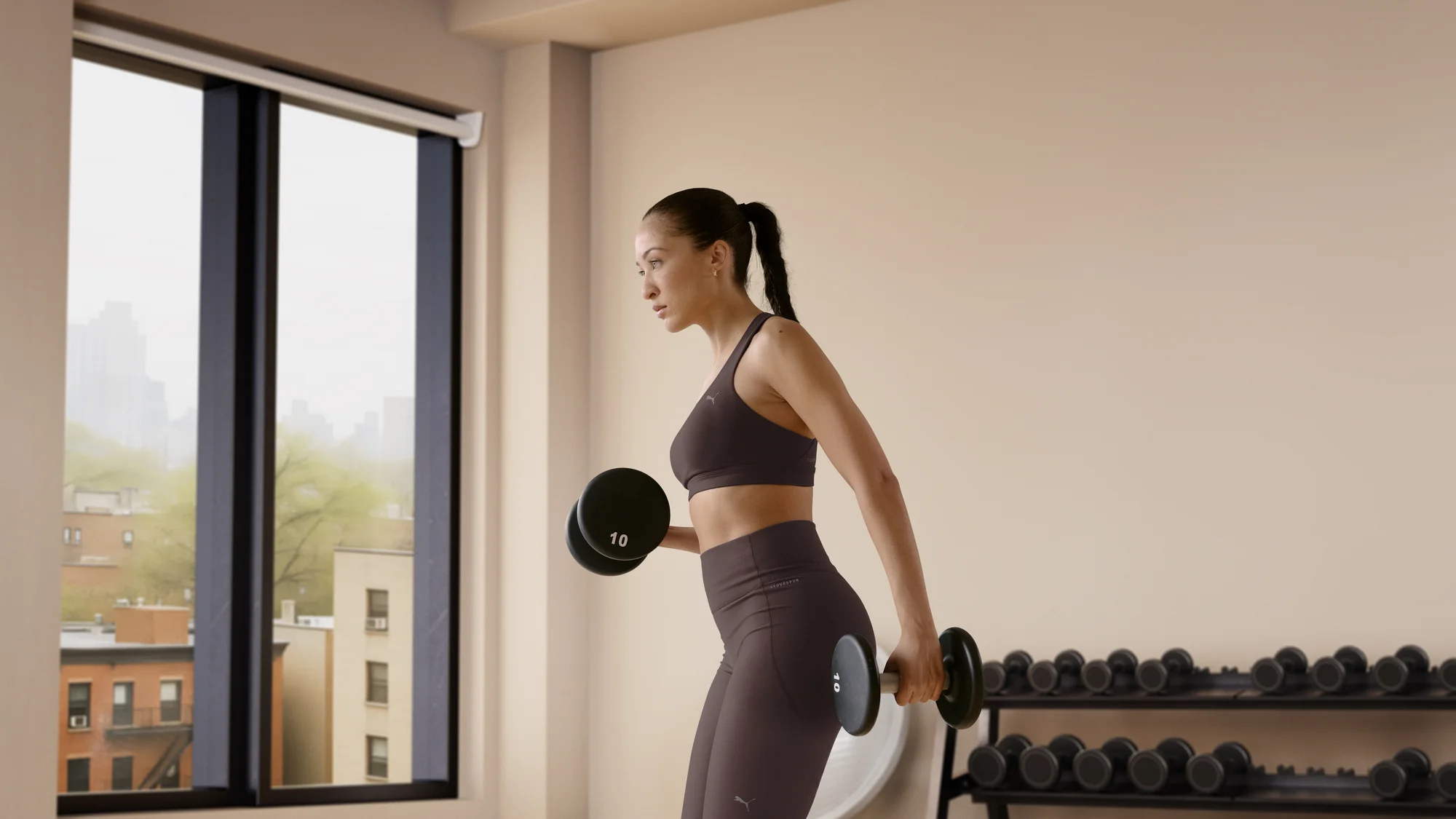
Ici, tout est question d'efficacité. Le meilleur équipement de course sur route est conçu pour favoriser la circulation de l'air, ce qui signifie qu'il est léger et respirant, avec des tissus qui évacuent instantanément l'humidité et qui ne collent pas et ne se déforment pas pendant que vous courez. L'ajustement est important, et les frottements sont votre principal ennemi sur les courses plus longues - toute couture ou pli au mauvais endroit deviendra rapidement insupportable.
Vêtements de course à pied
Ces articles sont plus longs et plus difficiles à utiliser. Vous vous déplacerez sur des terrains variables, dans des conditions qui peuvent changer rapidement et radicalement. Cela signifie que la durabilité et la résistance aux intempéries sont vos critères de base. Dans le même temps, vous souhaiterez bénéficier d'une véritable liberté de mouvement afin de pouvoir adopter les positions imprévisibles requises par le terrain, c'est-à-dire une coupe qui se déplace avec vous dans toutes les positions.
Enfin, votre stratégie de stratification est une question à laquelle il faut réfléchir attentivement.
Sur la route, la gestion de la température dépend principalement de la légèreté de votre tenue vestimentaire. Sur le sentier, vous devrez peut-être tenir compte des changements de température en fonction de l'altitude. Il est judicieux d'opter pour une approche à trois couches : une base qui évacue l'humidité contre la peau, une couche intermédiaire isolante pour la chaleur et une coquille coupe-vent et imperméable qui se comprime suffisamment pour tenir dans une poche.
Sur la route, la gestion de la température dépend principalement de la légèreté de votre tenue vestimentaire. Sur le sentier, vous devrez peut-être tenir compte des changements de température en fonction de l'altitude. Il est judicieux d'opter pour une approche à trois couches : une base qui évacue l'humidité contre la peau, une couche intermédiaire isolante pour la chaleur et une coquille coupe-vent et imperméable qui se comprime suffisamment pour tenir dans une poche.
Accessoires - Les extras qui comptent
Une fois vos chaussures et votre équipement réglés, une poignée d'accessoires peut faire la différence entre une bonne et une excellente course. Certains sont indispensables, tandis que d'autres vous apporteront simplement un gain en termes de qualité de vie.
Voici une liste de suppléments potentiels à ajouter au mélange :
Gilets d'hydratation sont conçus pour répartir le poids de l'eau uniformément sur la poitrine et le dos, ce qui vous permet d'avoir les mains libres et de ne pas être gêné dans votre démarche.
Guêtres de randonnée sont des manchons discrets qui se fixent autour de la cheville et par-dessus la tige de la chaussure, comblant ainsi l'espace où les débris, la boue et le gravier se frayent un chemin.
Chaussettes méritent vraiment plus d'attention. Sur route comme sur piste, une chaussette de course technique réduira considérablement le risque d'ampoules.
Montres GPS permettent de suivre l'allure, la distance et la fréquence cardiaque en temps réel. Ces données vous permettent de courir plus intelligemment sur la route et peuvent constituer un véritable outil de sécurité sur les terrains plus éloignés.
Chapeaux et lunettes sont de loin vos compléments essentiels. Une casquette de course légère bloque l'exposition au soleil et empêche la pluie de pénétrer dans vos yeux. Des lunettes de soleil techniques avec polarisation réduisent la fatigue oculaire et favorisent une vision claire.
Les petits choix s'accumulent pour donner lieu à de grandes différences une fois sur le terrain. Construire un kit complet, c'est prendre en compte tous les petits détails.
Tout assembler - Comment construire votre kit
Voici une analyse réaliste de quatre profils de coureurs, chacun ayant ses propres exigences athlétiques et l'équipement idéal pour les satisfaire.Le jogger décontracté
Vous êtes un coureur qui s'engage à courir 5 km autour du pâté de maisons plusieurs fois par semaine et qui ne veut pas se prendre la tête ? Votre kit idéal est léger, évacue l'humidité et est bien rembourré. Restez simple et confortable.
Aventurier facile à vivre
Vous aimez explorer les sentiers locaux et les itinéraires hors route le week-end ? Dans ce cas, privilégiez des chaussures de trail avec une bonne adhérence, des vêtements tout-terrain polyvalents et un accessoire d'hydratation.
L'entraîneur de marathon
Vous enregistrez un nombre important de kilomètres par semaine sur la route et vous vous préparez à votre prochaine grande course ?À ce niveau, chaque pièce de votre équipement est examinée à la loupe. Chaussures de route haute performance, vêtements aérodynamiques, lunettes de soleil polarisées pour la protection... Il s'agit de jouer sur la durée.
Coureur de montagne invétéré
Ou bien vous aimez les terrains alpins techniques et les longues journées en montagne où vous n'avez que vous et le sentier ?Ensuite, vous avez besoin d'une chaussure de trail robuste, d'un équipement complet à trois couches, d'un système d'hydratation adéquat et de tout autre élément permettant de vous protéger des éléments sans tomber dans l'excès. Chaque élément de l'équipement a sa raison d'être.
Le bilan
Le bon équipement n'est pas seulement une question d'apparence, c'est aussi un moyen de donner le meilleur de vous-même. Que vous fassiez un petit jogging dans votre quartier ou que vous vous engagiez sur un sentier de montagne, le bon équipement vous permettra d'être plus en sécurité, plus à l'aise et plus performant.CATch up est désormais disponible en plusieurs langues
Pour permettre au plus grand nombre d'utilisateurs possible de se connecter à notre plateforme et de faire partie de notre univers, nous proposons CATch up en anglais, allemand, français et espagnol. Veuillez noter que ces traductions sont automatisées et peuvent contenir des erreurs.