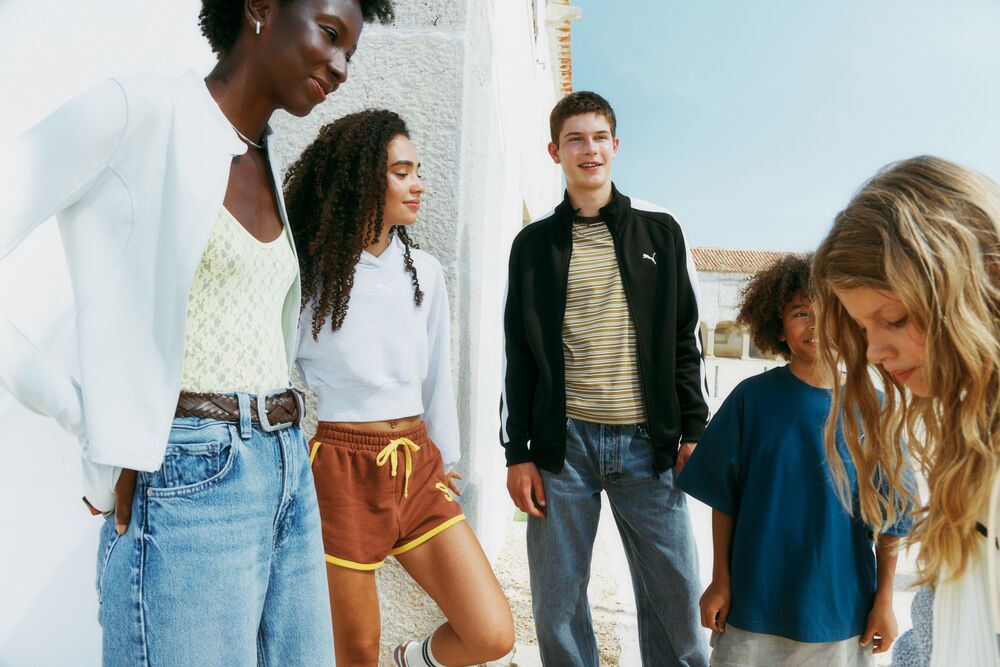
„KIDS KNOW EXACTLY WHAT THEY WANT“
Back to school with PUMA: more color, more choice, more sport for every day
September 9, 2026
Kids are having a say in what they wear at an increasingly young age – even if, in the end, it is still the parents making the purchase. For brands, that means every product has to convince two audiences at once. Emily Müller-Lennox has been Vice President BU Kids at PUMA since April 2026. She sees children developing their own opinions earlier, embracing more color and self-expression, and taking inspiration far beyond the traditional “kids world”. For PUMA, the biggest opportunity lies exactly where the brand has its roots: in sport.
Emily, what does the back-to-school season mean for PUMA’s Kids business?
Back-to-school is one of the most important purchasing moments in the Kids business. Children have grown, summer is coming to an end and they need new shoes and clothes for the new school year. For us, it is therefore an important moment to be present with new exciting products.
What is in demand varies by market. In some countries, schools require black or white shoes, for example, while in Europe kids often need specific indoor shoes for school sports.
Back-to-school is one of the most important purchasing moments in the Kids business. Children have grown, summer is coming to an end and they need new shoes and clothes for the new school year. For us, it is therefore an important moment to be present with new exciting products.
What is in demand varies by market. In some countries, schools require black or white shoes, for example, while in Europe kids often need specific indoor shoes for school sports.
Emily Müller-Lennox
Kids are developing their own tastes at an increasingly young age. How much influence do they have on what gets bought today?
With younger kids, the parents still make almost the entire purchasing decision. As they get older, that shifts increasingly towards themselves. Kids know exactly what they want and they have a real say in what gets bought.
Friends, school and their wider environment play a big role. Social media is only one part of that. Kids today are also pretty savvy about knowing when something is being marketed to them. There are regional differences too: in the US, in my experience, kids often have more freedom in what they wear, whereas in Europe parents tend to stay involved in those decisions for longer.
With younger kids, the parents still make almost the entire purchasing decision. As they get older, that shifts increasingly towards themselves. Kids know exactly what they want and they have a real say in what gets bought.
Friends, school and their wider environment play a big role. Social media is only one part of that. Kids today are also pretty savvy about knowing when something is being marketed to them. There are regional differences too: in the US, in my experience, kids often have more freedom in what they wear, whereas in Europe parents tend to stay involved in those decisions for longer.
“Comfort comes first for kids. If something is uncomfortable, they take it off – and may never wear it again.”
Emily Müller-Lennox, Vice President BU Kids at PUMA
Emily Müller-Lennox, Vice President BU Kids at PUMA
What does a product need to deliver to convince both kids and their parents?
For kids, comfort comes first. If something is uncomfortable, they simply won’t wear it. Then the look becomes important: clothes are a way for them to express what they like and what they identify with.
Parents focus more on quality, utility and value for money. In the best-case scenario, the kid really wants to wear the product and the parent feels the purchase is worth it.
For kids, comfort comes first. If something is uncomfortable, they simply won’t wear it. Then the look becomes important: clothes are a way for them to express what they like and what they identify with.
Parents focus more on quality, utility and value for money. In the best-case scenario, the kid really wants to wear the product and the parent feels the purchase is worth it.
“Kids don’t see the same dividing line between the kids world and the adult world that we perhaps do.”
What trends are currently shaping the kids market?
Kids don’t see the same dividing line between the kids world and the adult world that we perhaps do. They see the same trends, looks and styles and want access to them, just in their sizes.
One major trend is multi-use. Products need to look good and work across different moments throughout the day. Especially as the cost of living rises, there is added value in a product that can meet several needs at once.
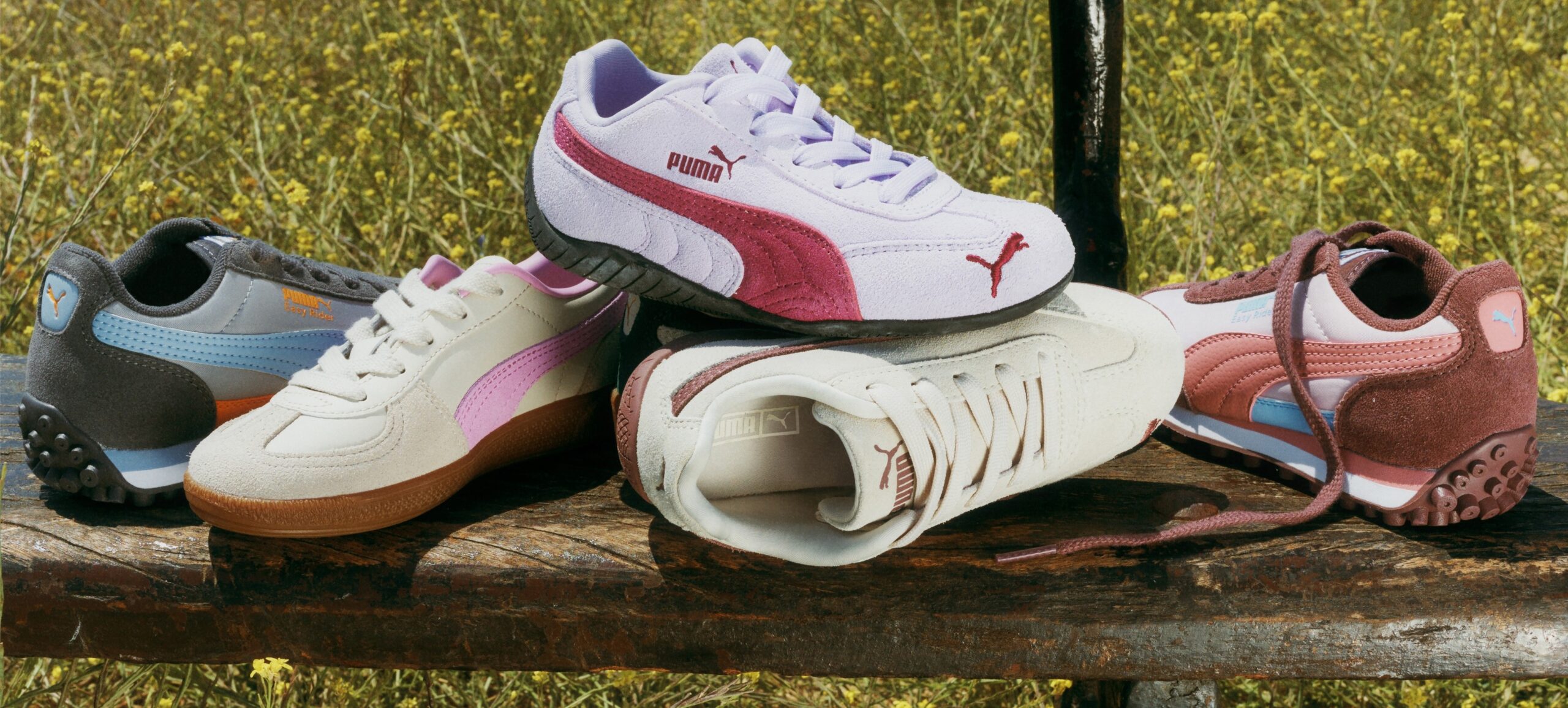
At the same time, looks are becoming more playful again. We are seeing more color, patterns, charms and small details. After a period of pared-back and “mature” looks for kids, things can be a little more fun again.
Kids don’t see the same dividing line between the kids world and the adult world that we perhaps do. They see the same trends, looks and styles and want access to them, just in their sizes.
One major trend is multi-use. Products need to look good and work across different moments throughout the day. Especially as the cost of living rises, there is added value in a product that can meet several needs at once.
At the same time, looks are becoming more playful again. We are seeing more color, patterns, charms and small details. After a period of pared-back and “mature” looks for kids, things can be a little more fun again.
What role do idols and pop culture play?
A big one. For younger children, it is often characters from films and shows, which is why collections such as Transformers or Dora the Explorer resonate. For older kids, athletes and other personalities have become more important.
LaMelo Ball is a great example. His colorful, expressive style really appeals to younger consumers. And the interesting thing is that we don’t necessarily have to target those personalities specifically at kids. They are already watching them very closely.
A big one. For younger children, it is often characters from films and shows, which is why collections such as Transformers or Dora the Explorer resonate. For older kids, athletes and other personalities have become more important.
LaMelo Ball is a great example. His colorful, expressive style really appeals to younger consumers. And the interesting thing is that we don’t necessarily have to target those personalities specifically at kids. They are already watching them very closely.
“Kids are more complex than many adults give them credit for.”
PUMA x Transformers
PUMA x Dora the Explorer
How does a brand stay relevant without simply chasing every short-lived trend?
By not doing exactly that. I often use the analogy of the cake and the frosting: first, you have to get the cake right, then we can add frosting as the extra.
For me, the Kids business is a mirror of the overall brand. Kids don’t want a different PUMA world. They want access to the same brand in a way that works for them. Trends, colors, and graphics can be added on top, but the foundation has to be right.
And we shouldn’t underestimate how much thought children put into their decisions. There is usually a reason behind what they like or reject. Kids are more complex than many adults give them credit for.
By not doing exactly that. I often use the analogy of the cake and the frosting: first, you have to get the cake right, then we can add frosting as the extra.
For me, the Kids business is a mirror of the overall brand. Kids don’t want a different PUMA world. They want access to the same brand in a way that works for them. Trends, colors, and graphics can be added on top, but the foundation has to be right.
And we shouldn’t underestimate how much thought children put into their decisions. There is usually a reason behind what they like or reject. Kids are more complex than many adults give them credit for.
Where do you see the biggest opportunity for PUMA in the Kids business?
In sport. This is an area we haven’t paid enough attention to in the Kids business in the past. We are already seeing a lot of success in football; basketball has worked for us in the US, and we are continuing to build training and multi-sport. Being successful here will help us to strengthen our credibility in sport and give us a platform to grow across other categories.
At the same time, the economic environment will shape the market. Parents will think more carefully about where they spend their money. And in the end, above all, the kid must really want the product.
In sport. This is an area we haven’t paid enough attention to in the Kids business in the past. We are already seeing a lot of success in football; basketball has worked for us in the US, and we are continuing to build training and multi-sport. Being successful here will help us to strengthen our credibility in sport and give us a platform to grow across other categories.
At the same time, the economic environment will shape the market. Parents will think more carefully about where they spend their money. And in the end, above all, the kid must really want the product.