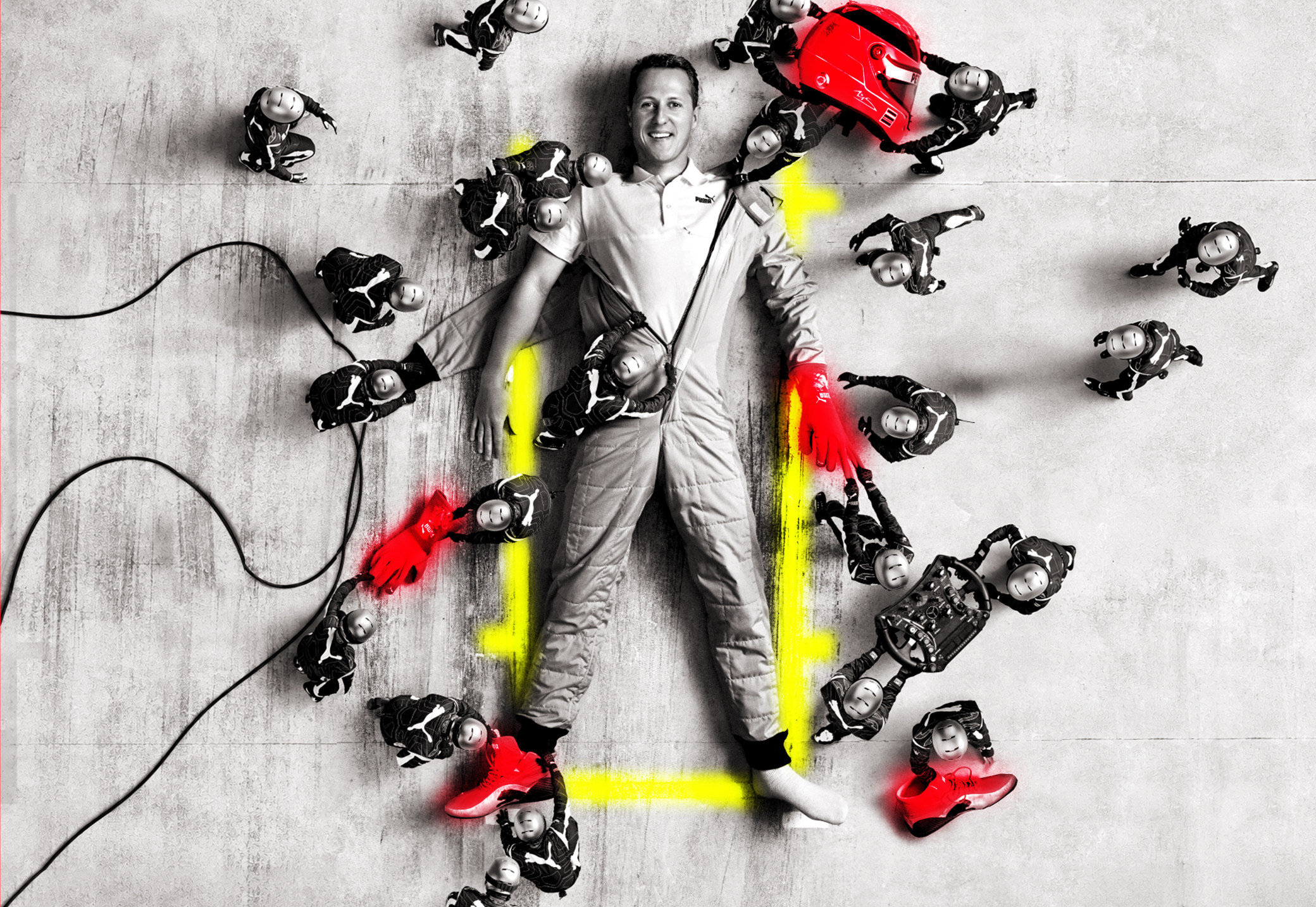
PUMA World Cup moments that stole the show
Looking back at PUMA’s defining World Cup moments
June 4, 2026
The World Cup has time and time again created football memories that have shaped the history of the sport. PUMA players and teams have been part of many of these unforgettable moments, often in unexpected ways.
Ahead of the World Cup, CATch UP takes a walk down memory lane to revisit the times when our teams and players were able to steal the show.
1958: Pelé Begins His Incredible Career
PUMA ad featuring Pelé's signature and Brazil's World Cup winner boot – the PUMA WELTMEISTER – in 1958
At the 1958 tournament in Sweden, the 17-year-old Pelé played a central role in Brazil’s first World Cup title, becoming the youngest player to score in and win the competition – a record that still stands today.
After missing the opening matches through injury, he entered the starting lineup during the group stage and quickly made an impact. In the knockout phase, his performances became decisive: a hat-trick in the semifinal and two goals in the final against the host nation. Over the course of the tournament, he scored six goals in four matches.
This tournament marked the beginning of his international career and the emergence of one of football’s first global icons that ended with a record of three World Cup titles.
This tournament marked the beginning of his international career and the emergence of one of football’s first global icons that ended with a record of three World Cup titles.
1986: Maradona’s Defining World Cup
At the 1986 World Cup in Mexico, Argentina’s triumph was shaped above all by Diego Maradona, whose influence extended across every phase of the team’s play, from creating chances to finishing them himself.The quarterfinal against England became one of the most discussed matches in football history. Within minutes, he defined the game in two very different ways: first through a controversial opening goal, then with a solo run across more than half the pitch, beating multiple opponents before scoring what was later named the “Goal of the Century”.
With five goals and five assists, he was crowned as the tournament’s best player. More than the numbers, it was his leadership and moments of brilliance that set him apart – a performance that remains one of the most complete and defining individual displays in the history of the game.
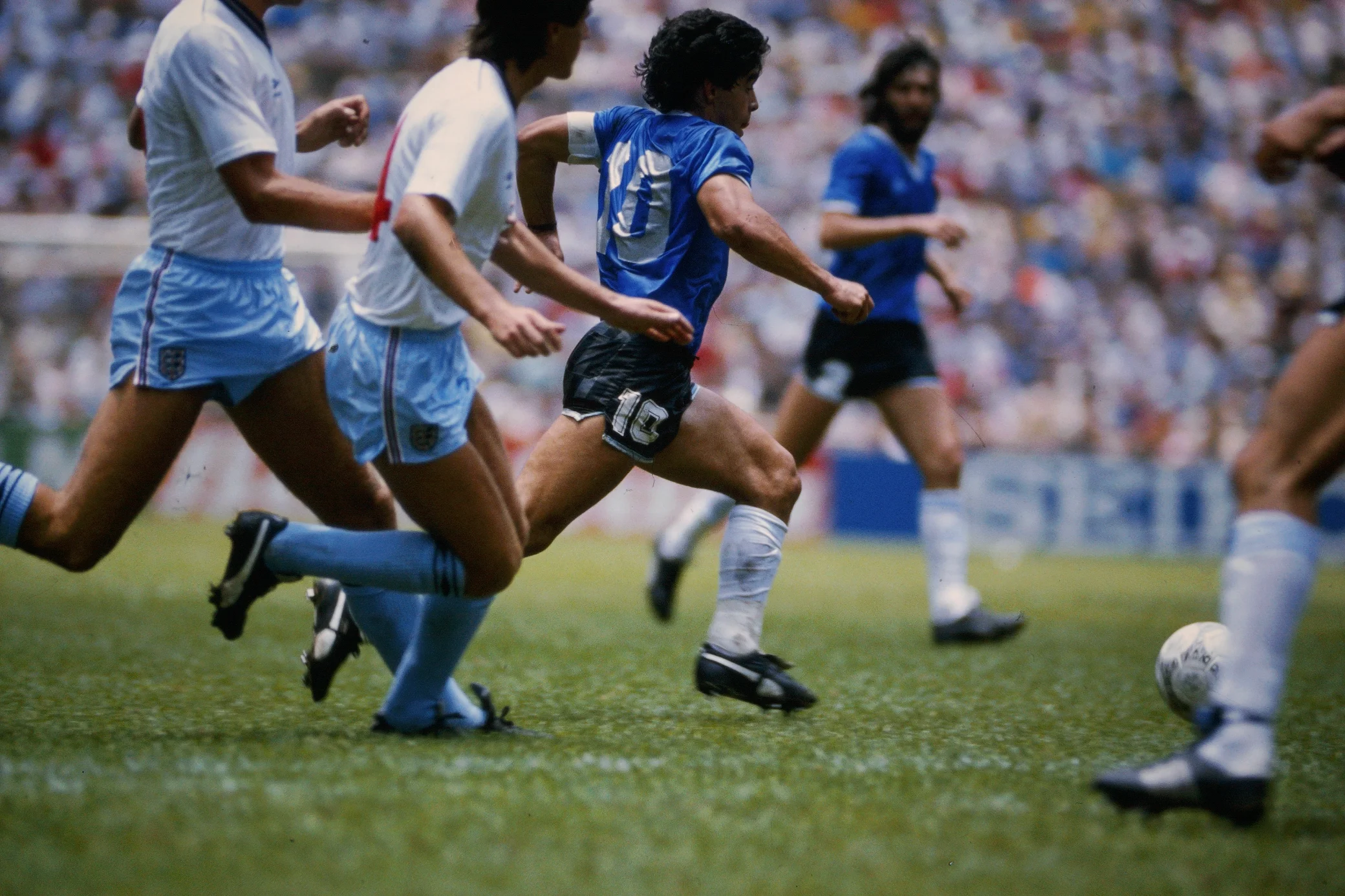
PUMA athlete Diego Maradona writing history at the 1986 World Cup
1998: Colourful Boots Take Centre Stage
At France 1998, tradition cracked. For the first time, colored boots appeared on the global stage – bold, visible, impossible to ignore. At that time, black and white boots were still the norm. But some players dared to be different. Moroccans El Moustafa Hadji and Saïd Chiba, US captain Thomas Dooley and Cameroonian Joseph Ndo broke tradition by wearing colourful PUMA boots during the tournament.
Moroccan El Moustafa Hadji with his red PUMA KING boots at the World Cup 1998
Fellow Cameroonian Rigobert Song went even one step further by wearing two different-colored PUMA KING boots.
At a time when football was still largely uniform, PUMA helped drive this shift. Expression began to replace conformity, turning footwear into a visible form of identity.
What started then has since become a defining element of the modern game. Distinctive, often contrasting colors are now part of how players express themselves and will once again shape the look of the game at the World Cup. Mismatching boots, once an exception, have become a recognizable element of PUMA’s design language, reflected in the latest Showtime Pack, just released ahead of the World Cup.
At a time when football was still largely uniform, PUMA helped drive this shift. Expression began to replace conformity, turning footwear into a visible form of identity.
What started then has since become a defining element of the modern game. Distinctive, often contrasting colors are now part of how players express themselves and will once again shape the look of the game at the World Cup. Mismatching boots, once an exception, have become a recognizable element of PUMA’s design language, reflected in the latest Showtime Pack, just released ahead of the World Cup.
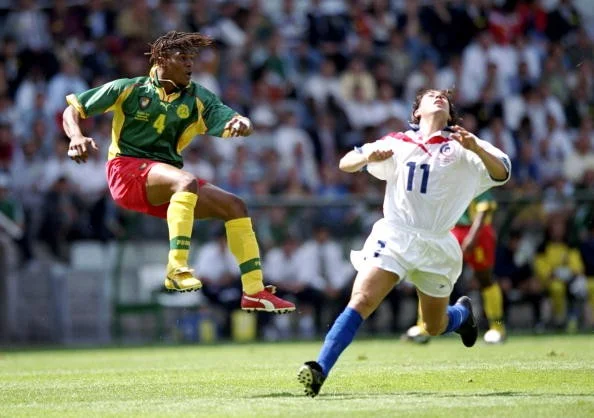
Cameroon's Rigobert Song (left) wearing his different-colored PUMA KING boots
2002: Ahn Jung-hwan and a Defining Goal for South Korea
At the 2002 World Cup, co-host South Korea reached the semifinals, becoming the first Asian team to do so.Their round of 16 match against Italy was decided in extra time, when Ahn Jung-hwan scored the decisive golden goal to secure a 2–1 victory. In his PUMA boots, he had the winning moment at his feet, eliminating one of the tournament’s favorites in dramatic fashion and leaving a lasting impression on the competition.
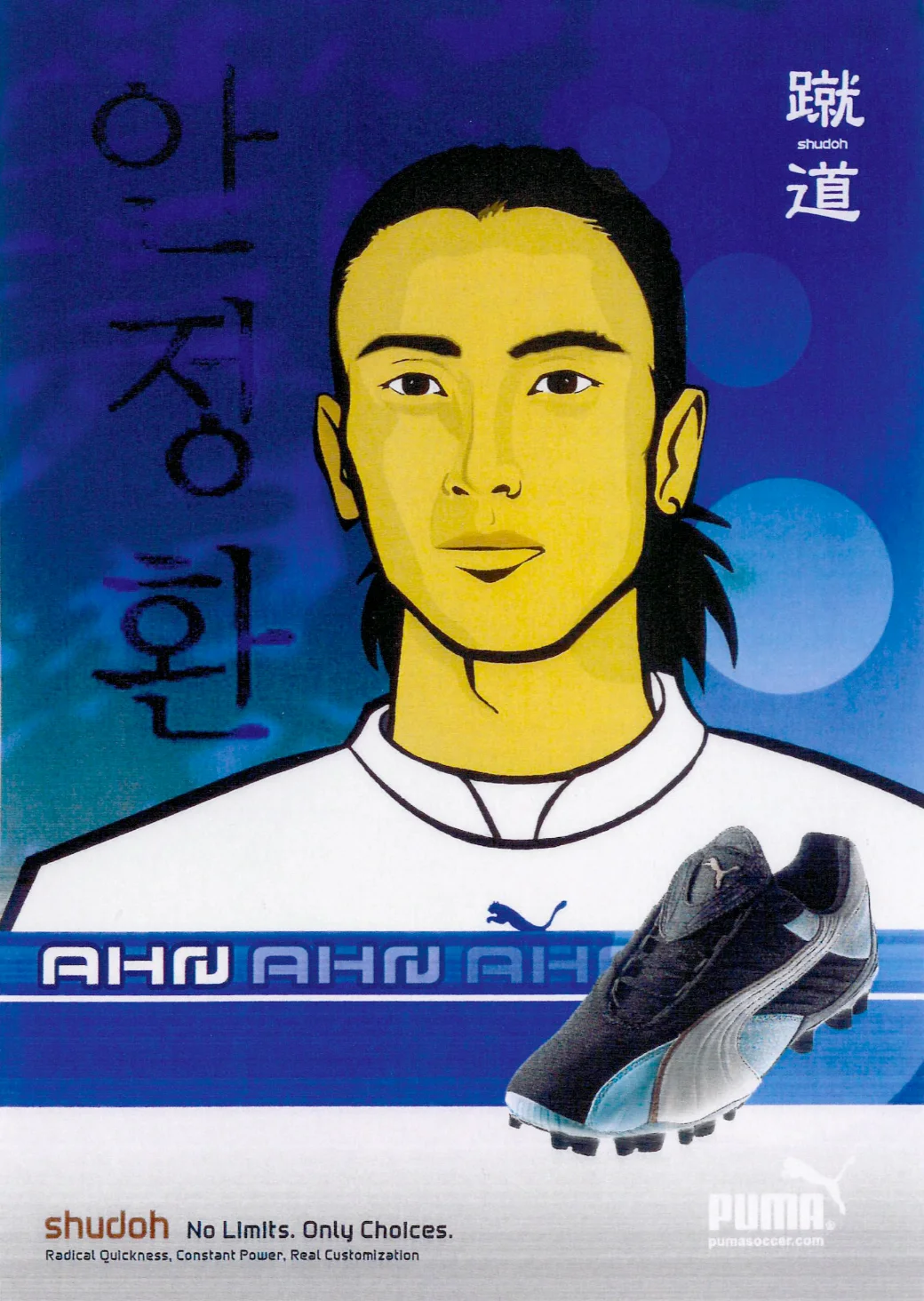
2002 PUMA advertisement featuring Ahn Jung-hwan
2022: Morocco’s Writes African Football History
At the tournament in Qatar, Morocco, led by PUMA players Romain Saïss and Jawad El Yamiq, achieved what no African team had managed before, reaching the semifinals for the first time.Along the way, they overturned expectations, including eliminating Spain in the round of 16 on penalties, and defeated several established contenders through a disciplined and cohesive style of play. Their performances were marked by tactical clarity, collective belief and a strong connection with supporters at home and abroad.
More than individual results, Morocco’s run stood out for its broader significance. It shifted long‑held assumptions and left a lasting impression well beyond the final matches.
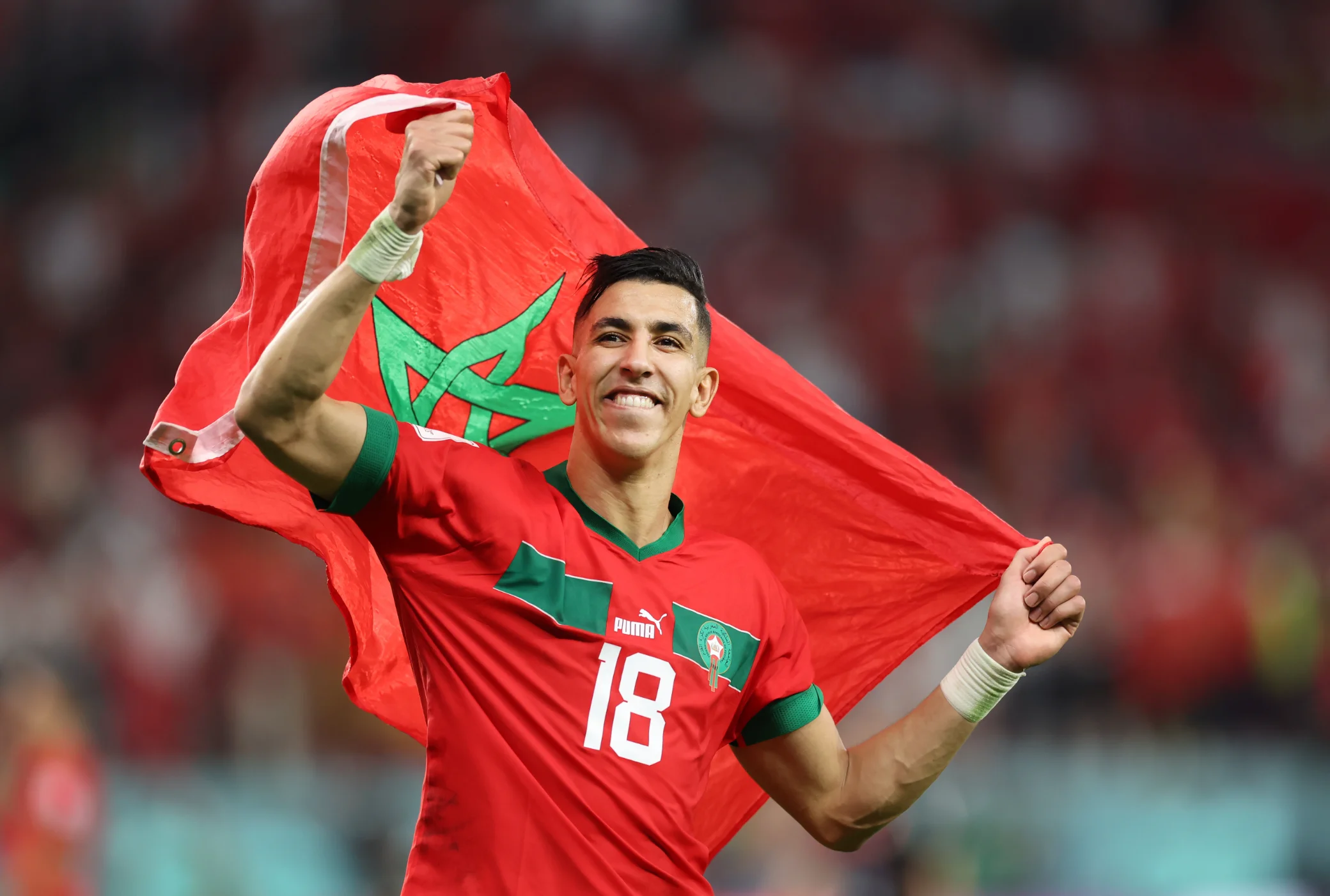
Moroccan player and PUMA athlete Jawad El Yamiq celebrates reaching the semifinals
When the World Cup Begins, the Show Begins Too
The World Cup will always crown a champion.But the moments that endure often belong to those who played without constraint, when expectations mattered less than conviction.
As the World Cup approaches, new stories will emerge. PUMA will be present with 11 teams and more than 70 individual players. We look forward to them bringing their best game and once again stealing the show.
Can reigning Nations League champions Portugal carry their momentum onto the world stage once again? How will Austria perform in its long‑awaited return after 28 years? And will African teams build on recent history to deliver another breakthrough moment? The answers are yet to be written — and that is exactly what makes the World Cup so compelling. We are ready.