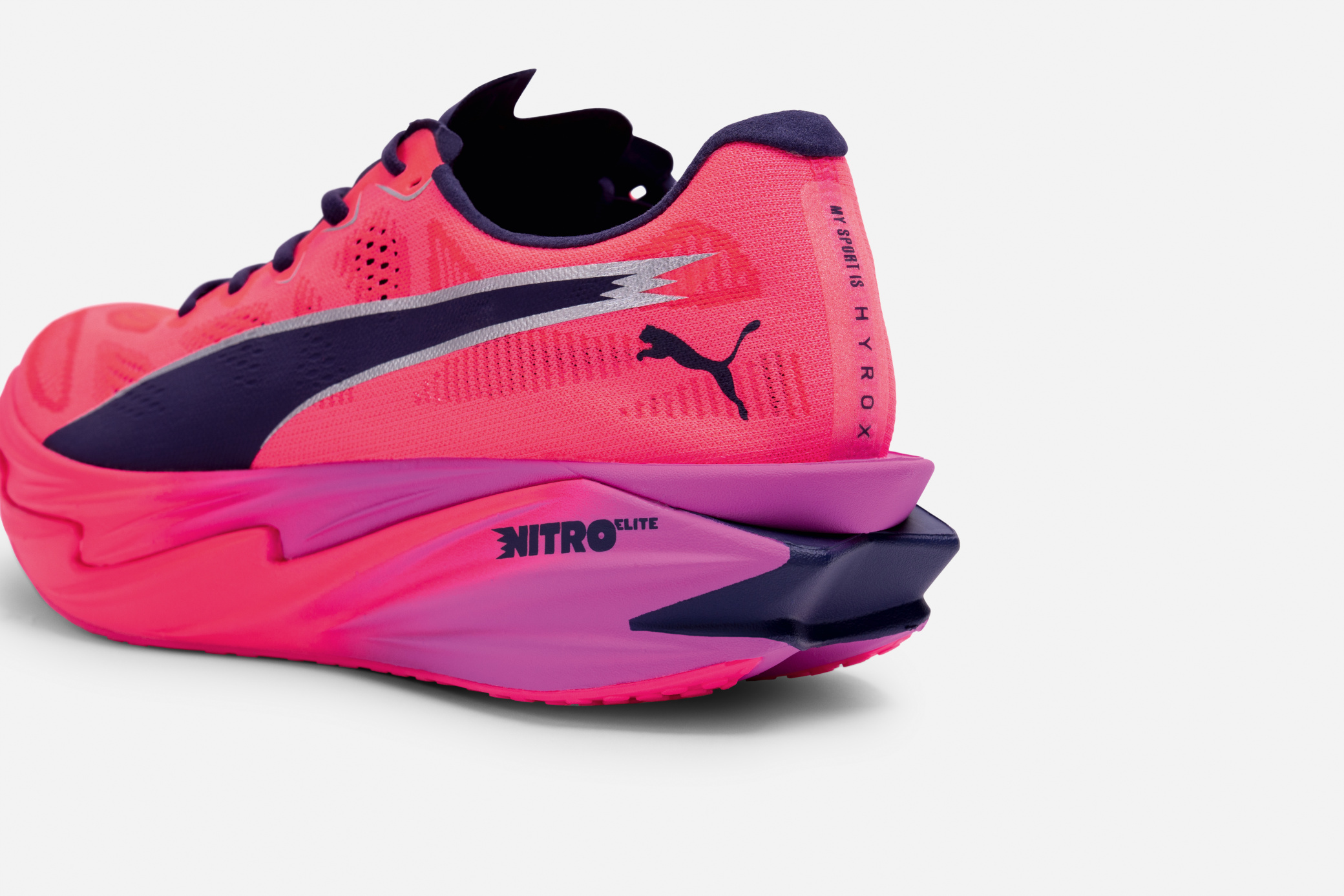
Ob Sie nun ein erfahrener Läufer sind oder zum ersten Mal die Schuhe schnüren, der Wunsch, schneller zu laufen, ist ein gemeinsames Ziel. Das Tempo beim täglichen Joggen zu erhöhen, ist ein verlockender Weg, um Geschwindigkeit zu trainieren. Allerdings ist dies nicht besonders effektiv und kann zu Verletzungen führen; der Aufbau von Tempo erfordert einen gut durchdachten und ganzheitlichen Ansatz. In diesem Artikel stellen wir Ihnen fünf wichtige Tipps vor, mit denen Sie schneller laufen können.
- Krafttraining: Kraft aus dem Körperzentrum aufbauen
Viele Läufer konzentrieren sich ausschließlich darauf, ihre Laufleistung zu protokollieren, ohne dem Krafttraining genügend Aufmerksamkeit zu schenken. Allerdings ist der Aufbau von Kraft ein wichtiger Bestandteil, um schneller laufen zu können. Die Einbindung von ausgewogenen Krafttrainings in Ihren Wochenplan hilft Ihnen dabei, sowohl Ihre Schnelligkeit als auch Ihre Ausdauer zu verbessern.
Es überrascht nicht, dass es wichtig ist, sich auf Übungen zu konzentrieren, die auf den Rumpf, die Beine und die Gesäßmuskulatur abzielen. Aber vernachlässigen Sie dabei nicht den Oberkörper. Ein starker und stabiler Oberkörper hilft dabei, einen gleichmäßigen Armschwung aufrechtzuerhalten., und trägt so zur Gesamteffizienz des Betriebs bei.
Achten Sie darauf, einseitige Übungen einzubauen, um Stabilität und Gleichgewicht zu verbessern, damit Sie auch bei höherem Tempo die richtige Haltung beibehalten können., Zum Beispiel einbeinige Kreuzheben, bulgarische Split Squats, einarmiges Schulterdrücken und einarmiges vorgebeugtes Rudern.
- Intervalltraining: Durchbrechen Sie die Monotonie
Lange Läufe im Steady State sind gut für die Ausdauer, aber wenn du schneller laufen willst, musst du Abwechslung in dein Training bringen.. Intervalltraining besteht aus einem Wechsel zwischen kurzen intensiven Belastungsphasen und Ruhephasen oder Phasen mit geringerer Intensität.
Dies verbessert nicht nur die kardiovaskuläre Fitness, sondern trainiert auch Ihre Muskeln, damit sie den Anforderungen höherer Geschwindigkeiten gewachsen sind. Intervalltraining ist ein wichtiges Mittel, um Ihre Geschwindigkeit zu steigern, da es die Fähigkeit Ihres Körpers verbessert, Sauerstoff zu transportieren. die Muskeln und verbessert Ihre gesamte anaerobe Kapazität.
- Erholung: Überlastung und Verletzungen vermeiden
Es ist entscheidend, die Bedeutung von Ruhephasen beim Streben nach Geschwindigkeit zu verstehen. Übertraining kann zu Ermüdung, Leistungsabfall und einem erhöhten Verletzungsrisiko führen.
Planen Sie regelmäßige Ruhetage in Ihren Trainingsplan ein, damit sich Ihr Körper erholen kann. In der Ruhephase regenerieren und stärken sich Ihre Muskeln, wodurch Sie zu einem ausdauernderen und schnelleren Läufer werden. Hören Sie auf Ihren Körper – wenn Sie sich übermäßig müde fühlen oder anhaltende Schmerzen haben, ist das ein Signal, dass Sie sich schonen und Ihrer Erholung Vorrang geben sollten.
Cross-Training ist eine weitere effektive Methode, um Ihren Laufmuskeln eine Pause zu gönnen und gleichzeitig Ihre Fitness zu erhalten. Aktivitäten wie Schwimmen, Radfahren oder Yoga können Ihr Lauftraining ergänzen und sorgen für einen ausgewogenen Ansatz für Ihre allgemeine Fitness.
- Konsistenz: Legen Sie den Grundstein für Fortschritt
Konsistenz ist der Schlüssel zu jedem erfolgreichen Laufprogramm. Erstellen Sie einen realistischen und nachhaltigen Laufplan, der Ihrem Fitnesslevel und Ihren Zielen entspricht. die kumulativen Vorteile eines regelmäßigen, zielgerichteten Trainings zu nutzen.
Konsistenz geht über die Häufigkeit Ihrer Läufe hinaus; sie gilt auch für die Intensität und Dauer. Steigern Sie allmählich die Intensität und Distanz Ihrer Läufe, um Ihren Körper zu fordern und kontinuierliche Fortschritte zu erzielen.. Führen Sie ein Trainingstagebuch, um Ihre Fortschritte zu verfolgen, Erfolge zu feiern und Bereiche zu identifizieren, in denen Anpassungen erforderlich sind.
- Fortschritt: Schritt für Schritt zur Geschwindigkeit
Schneller zu laufen ist ein schrittweiser Prozess, der Geduld und strategisches Vorgehen erfordert. Vermeiden Sie die Versuchung, sich zu früh zu sehr zu verausgaben, da dies zu Burnout oder Verletzungen führen kann.. Steigern Sie stattdessen Ihre Geschwindigkeit langsam mithilfe von Periodisierung. Um Geschwindigkeit aufzubauen, integrieren Sie Phasen mit erhöhter Intensität und Umfang, gefolgt von Phasen mit reduzierter Intensität zur Erholung. Dieser strukturierte Ansatz ermöglicht es Ihrem Körper, sich an die Anforderungen des schnelleren Laufens anzupassen und gleichzeitig das Risiko eines Übertrainings zu minimieren.
Setzen Sie sich realistische kurz- und langfristige Ziele. Kurzfristige Ziele könnten darin bestehen, Ihre Kilometerzeit um einige Sekunden zu verbessern, während langfristige Ziele darin bestehen könnten, eine bestimmte Rennzeit zu erreichen.
Zusammenfassend lässt sich sagen, dass schnelleres Laufen mehr ist als nur länger und intensiver zu laufen. Durch die Integration von Krafttraining, Intervalltraining, Priorisierung von Ruhephasen, konsequenter Umsetzung und strategischem Fortschritt sind Sie auf dem besten Weg, Ihre Geschwindigkeitsziele zu erreichen. Denken Sie daran, dass die Freude am Laufen nicht nur im Ergebnis liegt, sondern auch in der kontinuierlichen Verbesserung.
Schnüren Sie Ihre Laufschuhe, laufen Sie los und lassen Sie sich von Ihren Schritten zu einem schnelleren, stärkeren und angenehmeren Lauferlebnis tragen.

Hannah Porteous ist Personal Trainerin und Wellness-Coach in Sydney, Australien. Sie ist die Gründerin der Frauengemeinschaft #PARKSWEAT (www.parksweat.com) und der Sydney Trail Sisters (@sydney_trail_sisters).
Weitere Artikel



















CATch up spricht jetzt mehrere Sprachen
Damit wir so viele Menschen wie möglich erreichen und ihr in die PUMA Welt eintauchen könnt, bieten wir CATch up jetzt auf Englisch, Deutsch, Französisch und Spanisch an. Die Übersetzungen werden automatisch erstellt und können deswegen Fehler enthalten.