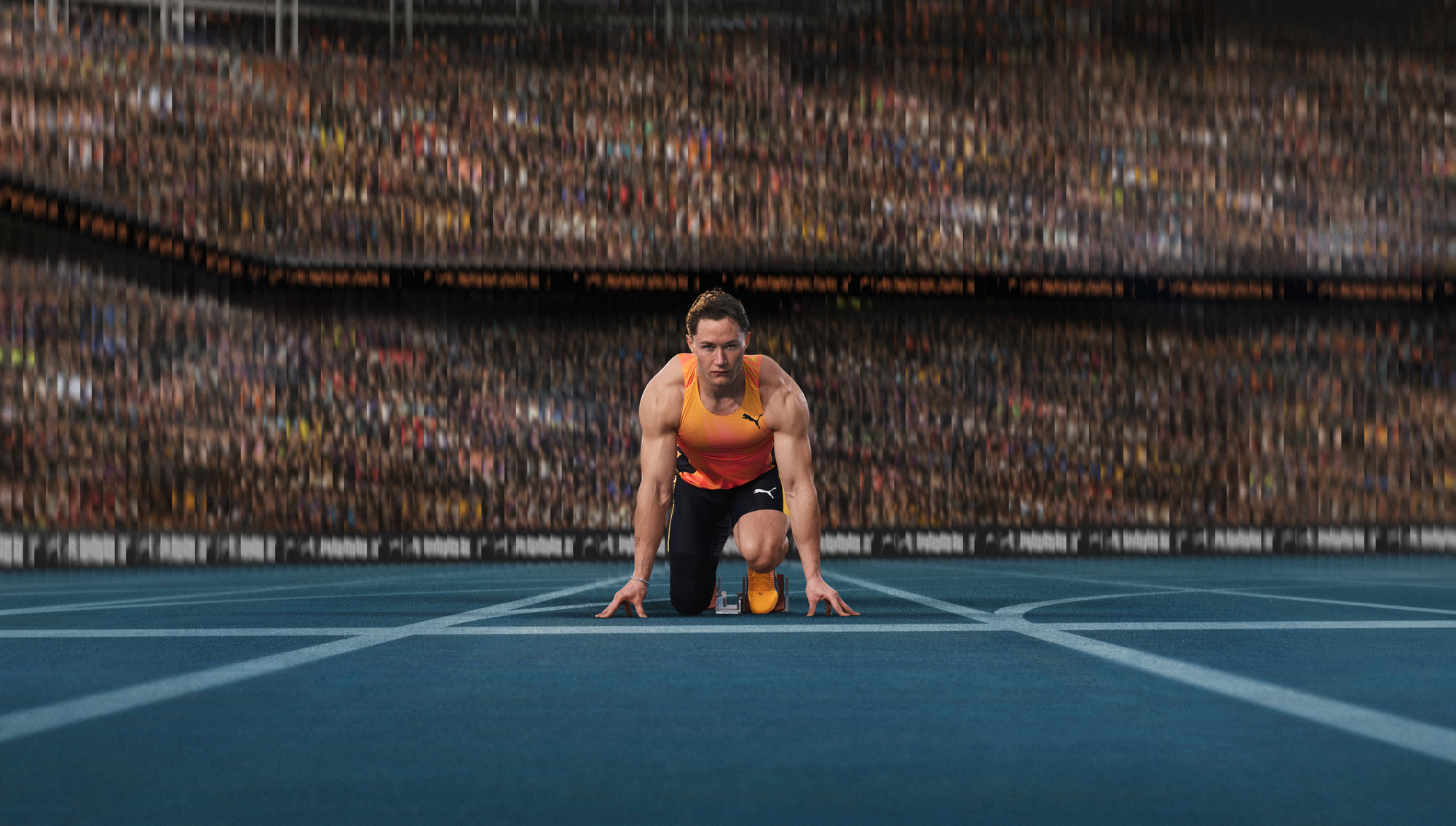
Man muss Fehler machen dürfen.
Para-Athlet Felix Streng über Selbstmotivation, Grenzen überschreiten und den Mut, weiterzumachen
5. Dezember 2025
Felix Streng erzählt keine glatte Erfolgsgeschichte. Der paralympische Sprinter hat dieses Jahr Goldmedaillen-Höhepunkte erlebt, nachdem er letztes Jahr in Paris einen herben Rückschlag erlitten hatte, wo er disqualifiziert wurde, obwohl er glaubte, sich die Silbermedaille gesichert zu haben. Anstatt in diesem Moment stecken zu bleiben, hat er einen Neustart gewagt.
Er spricht über Motivation, Beständigkeit, eine Kultur des Lernens aus Fehlern und darüber, wie PUMAs NITROTM Spikes veränderten sein Sprintgefühl und seine Zeit. Ein Gespräch am Internationalen Tag der Menschen mit Behinderung darüber, warum der Weg wichtiger sein kann als die Medaille.
FELIX, WAS FÜR EIN JAHR! WENN DU AN DIE WELTMEISTERSCHAFTEN IN NEU-DELHI IN DIESEM JAHR UND VOR ALLEM AN DIE PARALYMPICS 2024 IN PARIS DENKST: WAS IST DER MOMENT, DER DIR AM MEISTEN IN ERINNERUNG GEBLIEBEN IST?
Diese beiden Meisterschaften hätten unterschiedlicher nicht sein können. Paris war einer der Tiefpunkte meiner Karriere. Ich überquerte die Ziellinie, feierte meine Silbermedaille – und dann kam die Ankündigung: Regelverstoß, ich hatte die Linie überschritten. Disqualifiziert. In diesem Moment war ich völlig demotiviert. Aber daraus entstand etwas. Ich beschloss: Ich mache weiter, ich lasse mich davon nicht aufhalten. Die nächsten Weltmeisterschaften standen bevor, und dort wollte ich zeigen, was ich kann. Rückblickend ist diese Entscheidung einer der Momente, auf die ich am meisten stolz bin – dass ich diese Geschichte in ein Comeback verwandelt habe.
Der Moment in Indien, als ich Gold über 100 und 200 Meter gewann, war etwas Besonderes. Aber rückblickend geht es im Sport viel mehr um das, was davor passiert: die Herausforderungen, die Zweifel, die Beharrlichkeit. Die Medaille ist nur das Sahnehäubchen – die wirkliche Veränderung findet auf dem Weg dorthin statt.
Diese beiden Meisterschaften hätten unterschiedlicher nicht sein können. Paris war einer der Tiefpunkte meiner Karriere. Ich überquerte die Ziellinie, feierte meine Silbermedaille – und dann kam die Ankündigung: Regelverstoß, ich hatte die Linie überschritten. Disqualifiziert. In diesem Moment war ich völlig demotiviert. Aber daraus entstand etwas. Ich beschloss: Ich mache weiter, ich lasse mich davon nicht aufhalten. Die nächsten Weltmeisterschaften standen bevor, und dort wollte ich zeigen, was ich kann. Rückblickend ist diese Entscheidung einer der Momente, auf die ich am meisten stolz bin – dass ich diese Geschichte in ein Comeback verwandelt habe.
Der Moment in Indien, als ich Gold über 100 und 200 Meter gewann, war etwas Besonderes. Aber rückblickend geht es im Sport viel mehr um das, was davor passiert: die Herausforderungen, die Zweifel, die Beharrlichkeit. Die Medaille ist nur das Sahnehäubchen – die wirkliche Veränderung findet auf dem Weg dorthin statt.
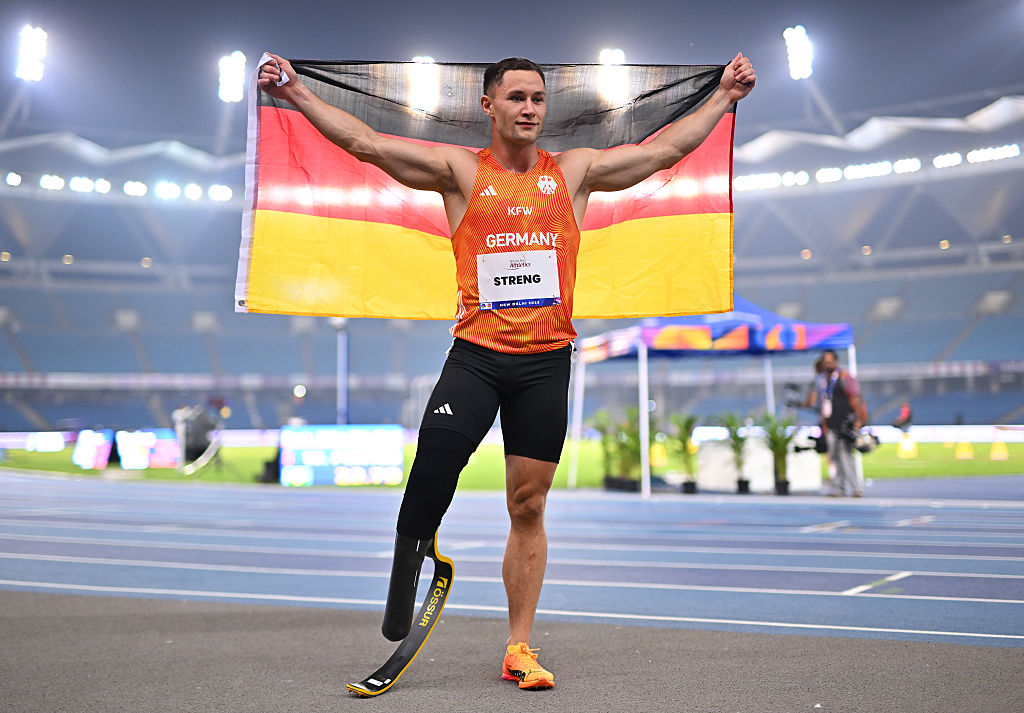
Felix feiert seine Goldmedaille im 2.000-Meter-Lauf der Männer bei den Para-Leichtathletik-Weltmeisterschaften in Neu-Delhi, Indien. (Foto: Kenta Harada/Getty Images)
LERNEN SIE MEHR AUS ERFOLGEN ODER AUS MISSERFOLGEN?
Es gibt dieses bekannte Interview mit Niki Lauda, in dem er sagt, dass er Respekt vor den Verlierern hat, weil er aus den Rennen, die er verloren hat, so viel gelernt hat. Das ist wahr.
Aber ich denke, die Mischung ist entscheidend. Wenn man nur verliert, bekommt man nie die Chance, das Gelernte anzuwenden. Dafür braucht man Momente des Erfolgs. Nach meinem 100-Meter-Lauf in Delhi dachte ich auch, dass ich einige Dinge besser hätte machen können. Mein Trainer sagte: “Felix, du hast gewonnen. Sei stolz darauf.” Und er hatte Recht. Aber meine Einstellung ist oft: Wie kann es noch besser werden?
HAT SICH DEINE BEZIEHUNG ZUR PERFORMANCE UND ZU DEINEM KÖRPER IM LAUFE DER JAHRE VERÄNDERT?Auf jeden Fall. Ich habe verschiedene Trainingssysteme durchlaufen und gelernt, wie wichtig Beständigkeit ist. Wenn man ständig an seine Grenzen geht, überlastet man seinen Körper und verliert dann Zeit, weil man zwei Schritte zurückgehen muss. In diesem Jahr ist es mir zum ersten Mal gelungen, mich im Training zurückzuhalten, mich stetig zu steigern und im Wettkampf die zusätzlichen zehn Prozent herauszuholen.
Deshalb ist die Zusammenarbeit mit meinem Coach so wichtig. Er erkennt den Moment, in dem genug genug ist. Das erkenne ich selbst nicht immer.
Es gibt dieses bekannte Interview mit Niki Lauda, in dem er sagt, dass er Respekt vor den Verlierern hat, weil er aus den Rennen, die er verloren hat, so viel gelernt hat. Das ist wahr.
Aber ich denke, die Mischung ist entscheidend. Wenn man nur verliert, bekommt man nie die Chance, das Gelernte anzuwenden. Dafür braucht man Momente des Erfolgs. Nach meinem 100-Meter-Lauf in Delhi dachte ich auch, dass ich einige Dinge besser hätte machen können. Mein Trainer sagte: “Felix, du hast gewonnen. Sei stolz darauf.” Und er hatte Recht. Aber meine Einstellung ist oft: Wie kann es noch besser werden?
HAT SICH DEINE BEZIEHUNG ZUR PERFORMANCE UND ZU DEINEM KÖRPER IM LAUFE DER JAHRE VERÄNDERT?Auf jeden Fall. Ich habe verschiedene Trainingssysteme durchlaufen und gelernt, wie wichtig Beständigkeit ist. Wenn man ständig an seine Grenzen geht, überlastet man seinen Körper und verliert dann Zeit, weil man zwei Schritte zurückgehen muss. In diesem Jahr ist es mir zum ersten Mal gelungen, mich im Training zurückzuhalten, mich stetig zu steigern und im Wettkampf die zusätzlichen zehn Prozent herauszuholen.
Deshalb ist die Zusammenarbeit mit meinem Coach so wichtig. Er erkennt den Moment, in dem genug genug ist. Das erkenne ich selbst nicht immer.
Also ist Erfolg auch die Fähigkeit, Hilfe anzunehmen?Auf jeden Fall. Erfolg kommt nie allein. Ich bin zwar derjenige auf der Bahn, aber hinter mir steht ein Team, das mich korrigiert, unterstützt und stärkt. Im Training übergebe ich die Kontrolle an meinen Trainer – ich vertraue darauf, dass er die richtigen Entscheidungen trifft. Im Wettkampf verschiebt sich diese Dynamik: Dann muss das Team mir vertrauen, dass ich die Kontrolle übernehme. Jeder leistet seinen Beitrag. Nur so funktioniert es.
PUMA BEGLEITET SIE BEREITS SEIT MEHREREN JAHREN. WAS BEDEUTET DIESE PARTNERSCHAFT FÜR SIE?Sehr viel. PUMA hat mit mir den Schritt in den paralympischen Spitzensport gewagt, und das verbindet uns. Damals war das ein völlig neues Gebiet für die Marke, und ich war beeindruckt von ihrer Offenheit. Zu sehen, wie viele Athleten heute PUMA tragen und wie aktiv die Marke in der Para-Szene geworden ist, ist für mich etwas Besonderes, weil ich diese Entwicklung miterlebt habe.
Ich fühle mich bei PUMA sehr wohl. Die Menschen reden miteinander, sie hören einander zu, und ich habe das Gefühl, dass mein Feedback in der Entwicklung wirklich in die Produkte einfließt. Das macht diese Partnerschaft wertvoll – sportlich, technisch und persönlich.
PUMA BEGLEITET SIE BEREITS SEIT MEHREREN JAHREN. WAS BEDEUTET DIESE PARTNERSCHAFT FÜR SIE?Sehr viel. PUMA hat mit mir den Schritt in den paralympischen Spitzensport gewagt, und das verbindet uns. Damals war das ein völlig neues Gebiet für die Marke, und ich war beeindruckt von ihrer Offenheit. Zu sehen, wie viele Athleten heute PUMA tragen und wie aktiv die Marke in der Para-Szene geworden ist, ist für mich etwas Besonderes, weil ich diese Entwicklung miterlebt habe.
Ich fühle mich bei PUMA sehr wohl. Die Menschen reden miteinander, sie hören einander zu, und ich habe das Gefühl, dass mein Feedback in der Entwicklung wirklich in die Produkte einfließt. Das macht diese Partnerschaft wertvoll – sportlich, technisch und persönlich.
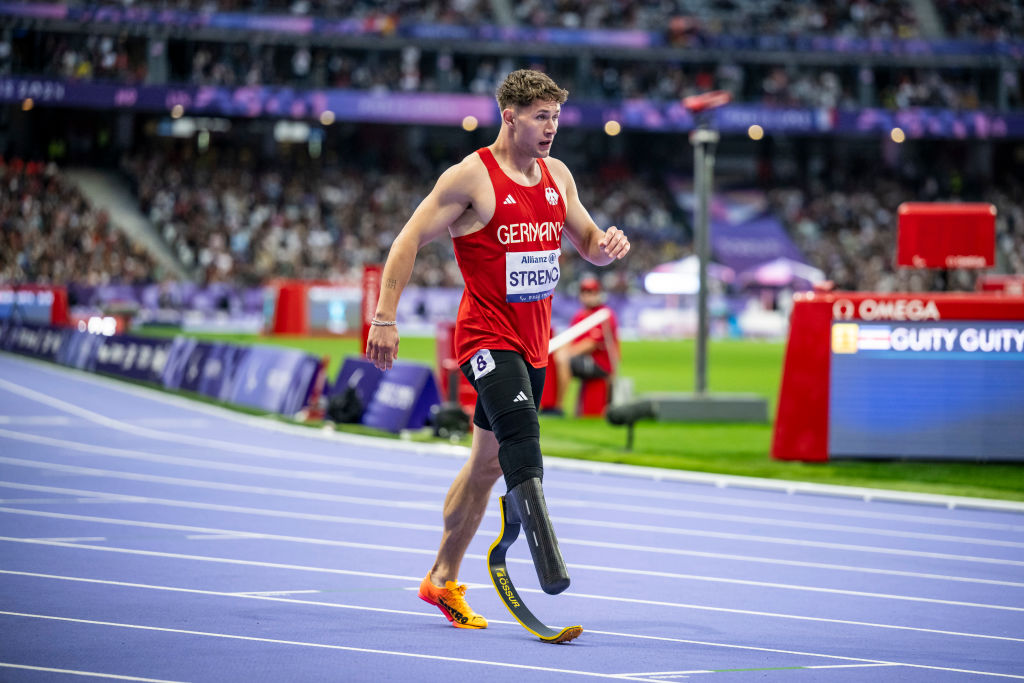
Felix wurde nach seinem Gewinn der Silbermedaille im 2000-Meter-Lauf der Männer bei den Paralympischen Sommerspielen 2024 in Paris, Frankreich, disqualifiziert. (Foto: Tom Weller/VOIGT/GettyImages)
ALS PARA-SPORTLER HABEN SIE EINE BESONDERE PERSPEKTIVE AUF TECHNOLOGIE UND AUSRÜSTUNG. INWIEWEIT PRÄGT DAS IHR TRAINING?Technologie und Ausrüstung sind im paralympischen Sport keine Nebensache, sondern eine Symbiose zwischen Mensch und Technik. Um Leistung zu bringen, muss alles so eingestellt sein, dass ich kraftvoll laufen kann, ohne Schmerzen und ohne Druckstellen. Das beginnt bei der Prothese selbst, setzt sich fort mit dem perfekt an meinen Körper angepassten Schaft und umfasst auch die Frage, wie steif oder weich die Klinge sein soll. Ohne das funktioniert nichts.
GIBT ES EIN PUMA-PRODUKT, DAS SIE ALS BAHNBRECHEND BEZEICHNEN WÜRDEN?Ja. Die von uns gemeinsam entwickelte Spike-Sohle war ein Wendepunkt. In dieser Form gab es sie für Prothesen noch nicht, und ohne sie könnte ich heute nicht auf diesem Niveau sprinten. Ich habe den Unterschied schon beim ersten Lauf gespürt – wir Sprinter merken selbst kleinste Veränderungen sofort.
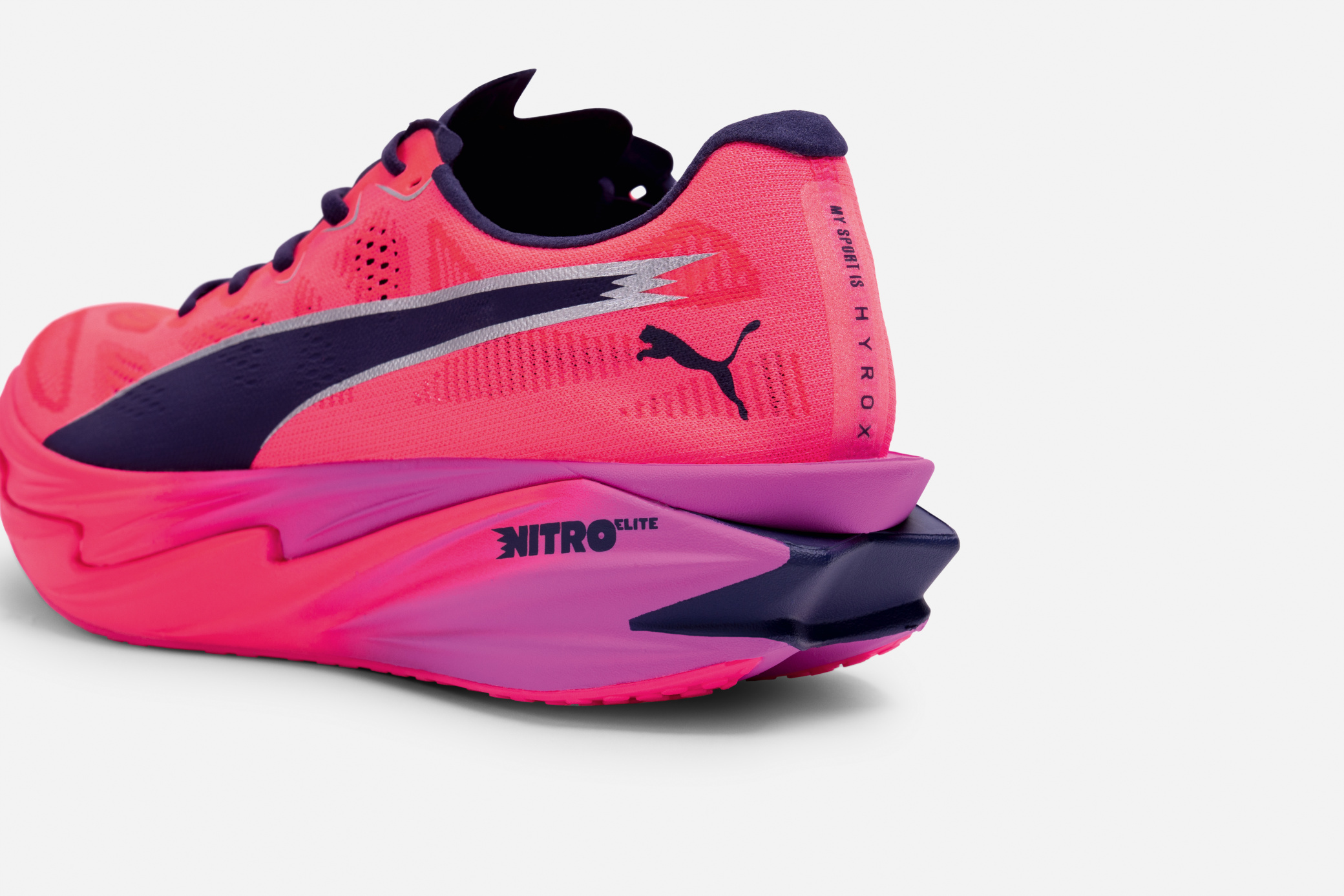
Der PUMA Forte NITROTM Der Elite Spike, den ich derzeit trage, ist ebenfalls extrem gut entwickelt. Er fühlt sich harmonisch an, passt perfekt, hält Sprintbelastungen stand und unterstützt meine Bewegung, anstatt sie zu behindern. Das merkt man schon nach ein oder zwei Läufen – sowohl beim Gefühl als auch bei den Zeiten.
GIBT ES EIN PUMA-PRODUKT, DAS SIE ALS BAHNBRECHEND BEZEICHNEN WÜRDEN?Ja. Die von uns gemeinsam entwickelte Spike-Sohle war ein Wendepunkt. In dieser Form gab es sie für Prothesen noch nicht, und ohne sie könnte ich heute nicht auf diesem Niveau sprinten. Ich habe den Unterschied schon beim ersten Lauf gespürt – wir Sprinter merken selbst kleinste Veränderungen sofort.
Der PUMA Forte NITROTM Der Elite Spike, den ich derzeit trage, ist ebenfalls extrem gut entwickelt. Er fühlt sich harmonisch an, passt perfekt, hält Sprintbelastungen stand und unterstützt meine Bewegung, anstatt sie zu behindern. Das merkt man schon nach ein oder zwei Läufen – sowohl beim Gefühl als auch bei den Zeiten.
WAS BEWIRKEN DIESE TECHNOLOGIEN TATSÄCHLICH IN BEZUG AUF REAKTIVITÄT, ENERGIEÜBERTRAGUNG UND STABILITÄT?Der größte Schritt war, mich von sehr steifen Modellen zu verabschieden. Jetzt habe ich einen Schuh, der weicher und flexibler ist und sich harmonischer anfühlt. Die Carbonplatte und der Schaumstoff arbeiten zusammen, sodass ich beim Abrollen und Abstoßen direktes Feedback bekomme. Es fühlt sich an, als wäre der Schuh Teil meiner Bewegung – und das macht letztendlich den Unterschied aus.
WAS IST NOTWENDIG, DAMIT INNOVATION UND INKLUSION IM SPORT HAND IN HAND GEHEN?Ständiger Austausch. Wir sind technologisch auf einem hohen Niveau, aber echter Fortschritt entsteht nicht isoliert in einem Labor. Er entsteht, wenn Sportler, Trainer und Entwickler zusammenarbeiten, Produkte testen, Feedback geben und Dinge verbessern.
Diese letzten Prozente, die im Spitzensport zählen, kommen nur dann zum Tragen, wenn alle an einem Tisch sitzen. Produkte müssen getestet werden, Fehler müssen erlaubt sein, und niemand sollte glauben, alles alleine lösen zu können. Nur dann entsteht etwas wirklich Neues.
WAS IST NOTWENDIG, DAMIT INNOVATION UND INKLUSION IM SPORT HAND IN HAND GEHEN?Ständiger Austausch. Wir sind technologisch auf einem hohen Niveau, aber echter Fortschritt entsteht nicht isoliert in einem Labor. Er entsteht, wenn Sportler, Trainer und Entwickler zusammenarbeiten, Produkte testen, Feedback geben und Dinge verbessern.
Diese letzten Prozente, die im Spitzensport zählen, kommen nur dann zum Tragen, wenn alle an einem Tisch sitzen. Produkte müssen getestet werden, Fehler müssen erlaubt sein, und niemand sollte glauben, alles alleine lösen zu können. Nur dann entsteht etwas wirklich Neues.
Ist Training ein Ort, an dem Fehler erlaubt sein sollten?Ja, und zwar viel mehr, als die Leute denken. Ich habe gelernt, wie leicht man in die Falle tappen kann, alles perfekt machen zu wollen. Perfektion erzeugt Druck, und Druck blockiert einen. Das Training ist der Ort, an dem man Dinge ausprobieren und auch mal falsche Entscheidungen treffen kann. Wenn ich scheitere, dann lieber im Training als im Wettkampf.
Für mich bedeutet Training nicht, perfekt zu funktionieren – es bedeutet, den Mut zu haben, es zu versuchen. Letztendlich kommt Leistung nicht dadurch zustande, dass man Fehler vermeidet, sondern dadurch, dass man mit ihnen umgehen kann.
Für mich bedeutet Training nicht, perfekt zu funktionieren – es bedeutet, den Mut zu haben, es zu versuchen. Letztendlich kommt Leistung nicht dadurch zustande, dass man Fehler vermeidet, sondern dadurch, dass man mit ihnen umgehen kann.
CATch up spricht jetzt mehrere Sprachen
Damit wir so viele Menschen wie möglich erreichen und ihr in die PUMA Welt eintauchen könnt, bieten wir CATch up jetzt auf Englisch, Deutsch, Französisch und Spanisch an. Die Übersetzungen werden automatisch erstellt und können deswegen Fehler enthalten.