What happened to brand elevation, Mr. Hoeld?
PUMA’s CEO Arthur Hoeld outlines his vision for a more desirable PUMA brand
November 12, 2025
What about brand elevation? It’s a question PUMA’s new CEO Arthur Hoeld gets asked a lot these days. And it’s no surprise. When he joined PUMA in July this year, PUMA had just doubled down on a global brand campaign to raise its appeal with consumers in an effort it called brand elevation.
Arthur was convinced: The goals to raise PUMA’s standing with consumers were the right ones, but his long experience in the industry had taught him, the recipe would not work.
“We’re not going to continue with that strategy, because it simply hasn’t led to results. That is very obvious right now,” Arthur said at an internal event. “Of course we want to elevate the PUMA brand. We make sure the brand becomes more desirable, less commercial and the future more healthy and more profitable. But we need a very different approach.”
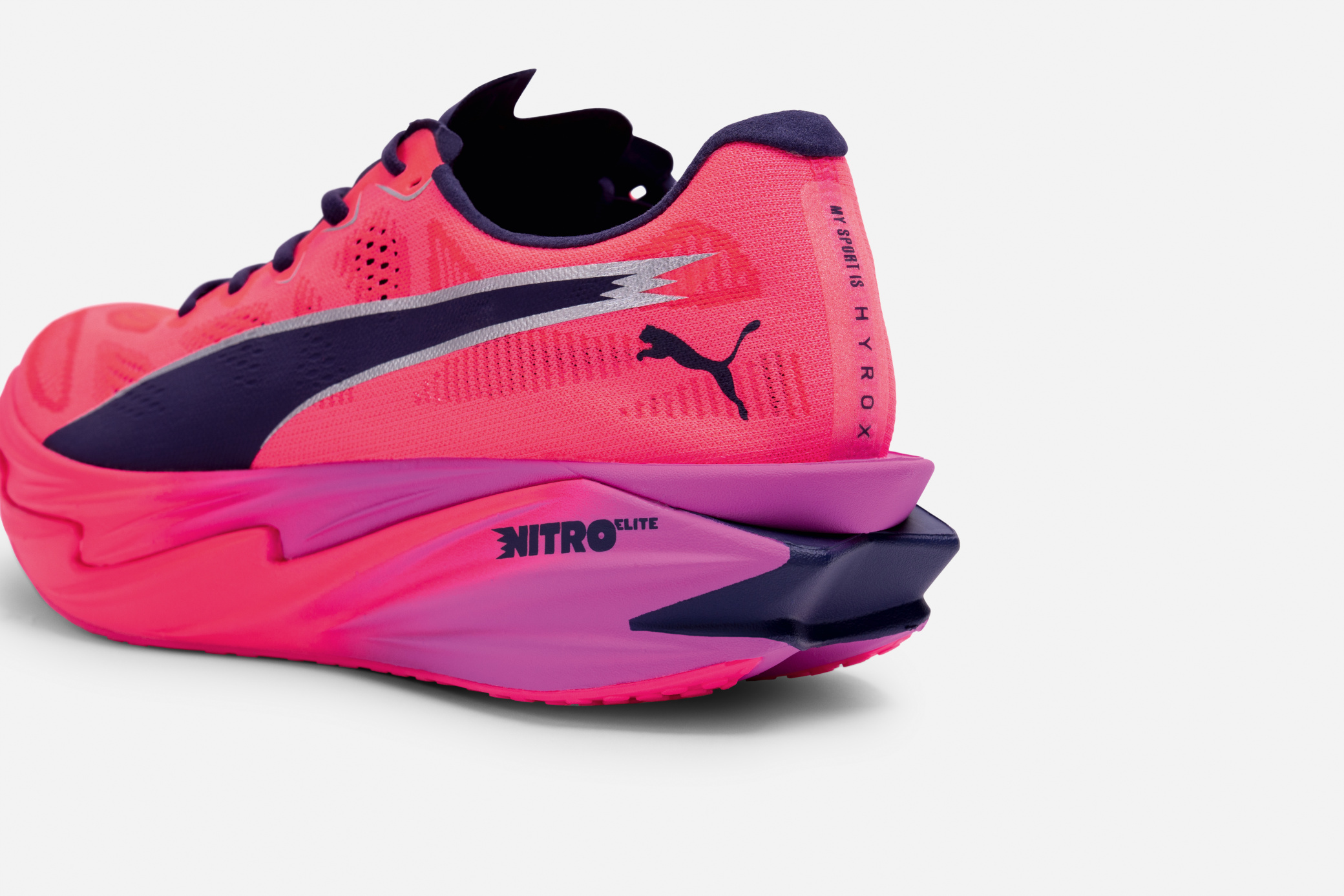
Arthur is convinced PUMA’s product icons, such as the Suede, and performance innovations, such as its cutting-edge running technology NITRO, are the key to its success.
Arthur is convinced PUMA’s product icons, such as the Suede, and performance innovations, such as its cutting-edge running technology NITRO, are the key to its success.
PUMA will have a renewed focus on its sports DNA and ensure every product can be worn in sports and enhance athletes’ performance. The 55-year-old sports industry veteran is resetting the company to ensure these products and their stories can cut through against tough competition, changing how, where and when products are sold and which stories consumers will remember. More importantly, all key product and brand stories need to be the same in every single country around the world. Arthur calls it becoming one global sports brand. With local extensions to address local differences and opportunities.

“To rebuild the company, PUMA has to become one global sports brand that has a clear idea about its identity and its product portfolio. We have to tell appealing and intriguing product stories to better establish our product icons, such as the Suede, the Palermo or the GV Special as well as our industry-leading innovations such as our running technology NITRO™,” Arthur said. “I want people around the world to be excited to wear PUMA and about the product stories we tell.”
The attention to product is relentless. Arthur has changed the company’s processes to put product and brand marketing side by side to tell stronger product stories. To make better decisions on when, where and in which quantities products are introduced, Go-to-Market became part of this new structure under the Chief Brand Officer Maria Valdes as well. PUMA will cut the number of products it makes each year drastically to further sharpen its focus on those icons that really matter.
The attention to product is relentless. Arthur has changed the company’s processes to put product and brand marketing side by side to tell stronger product stories. To make better decisions on when, where and in which quantities products are introduced, Go-to-Market became part of this new structure under the Chief Brand Officer Maria Valdes as well. PUMA will cut the number of products it makes each year drastically to further sharpen its focus on those icons that really matter.
This change also means being much more selective about where PUMA products are sold. “PUMA has been showing up too often in the wrong channels, with too many promotions, and high levels of inventory,” Arthur said. “We have to make sure the brand becomes more desirable and less commercial.”
Arthur says he sees clear opportunities in PUMA’s own stores and e-commerce platforms. While wholesale will remain an important part of the business, he wants to address the imbalance between the two distribution channels. Other brands make about 40% of their sales in their own channels, at PUMA it is currently less than a third.
“For me, not being stronger in our direct-to-consumer business is a missed opportunity to show the world what products we have and the kind of brand we are,” Arthur remarked. ”Selling directly to consumers gives us the opportunity to get that message into the world ourselves, not just through our wholesale partners.”
Arthur says he sees clear opportunities in PUMA’s own stores and e-commerce platforms. While wholesale will remain an important part of the business, he wants to address the imbalance between the two distribution channels. Other brands make about 40% of their sales in their own channels, at PUMA it is currently less than a third.
“For me, not being stronger in our direct-to-consumer business is a missed opportunity to show the world what products we have and the kind of brand we are,” Arthur remarked. ”Selling directly to consumers gives us the opportunity to get that message into the world ourselves, not just through our wholesale partners.”
”Selling directly to consumers gives us the opportunity to get that message into the world ourselves, not just through our wholesale partners.”
No more ‘best kept secrets in the industry’
As part of this emphasis on product, PUMA will move away from the brand campaigns of 2024 and 2025, Arthur said, and make the products themselves as well as PUMA’s performance innovations the star of the show and clearly position them in ways that resonates.
“We have to ask ourselves how we position our product icons, our great innovations, our NITRO™ technology, our football boots. We will make sure that everyone knows what NITRO™ is, so it’s not just going to be the best kept secret in the industry,” Arthur explained. “Those stories, those efforts will then create a halo effect for the entire brand.”
“We have to ask ourselves how we position our product icons, our great innovations, our NITRO™ technology, our football boots. We will make sure that everyone knows what NITRO™ is, so it’s not just going to be the best kept secret in the industry,” Arthur explained. “Those stories, those efforts will then create a halo effect for the entire brand.”
While the reset measures at PUMA are inevitable in the short term, yet Arthur is convinced of the long-term potential of the brand and he has the clear goal of returning to above-industry growth and healthy profits by 2027 while establishing PUMA as a Top 3 global sports brand.
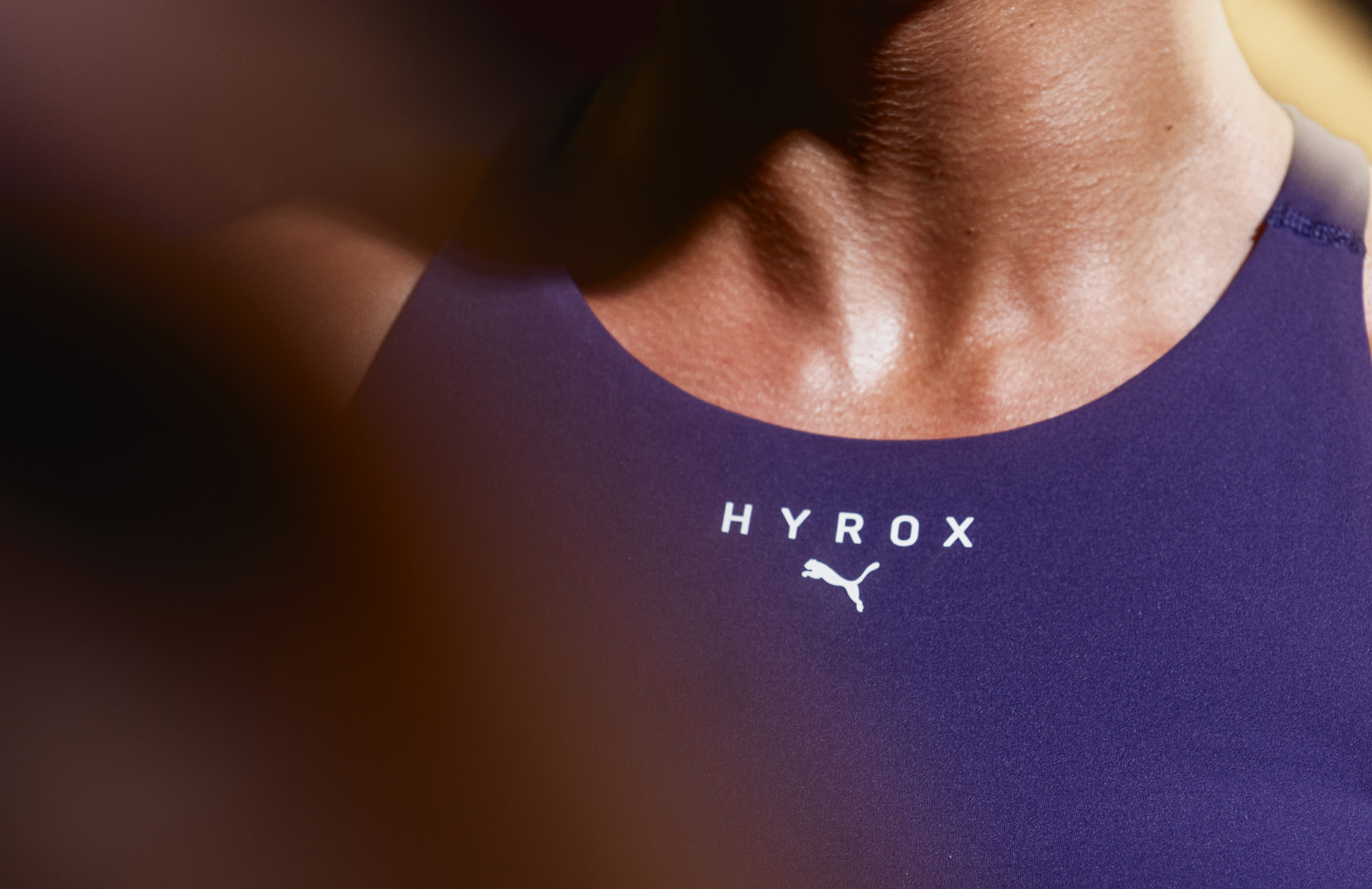
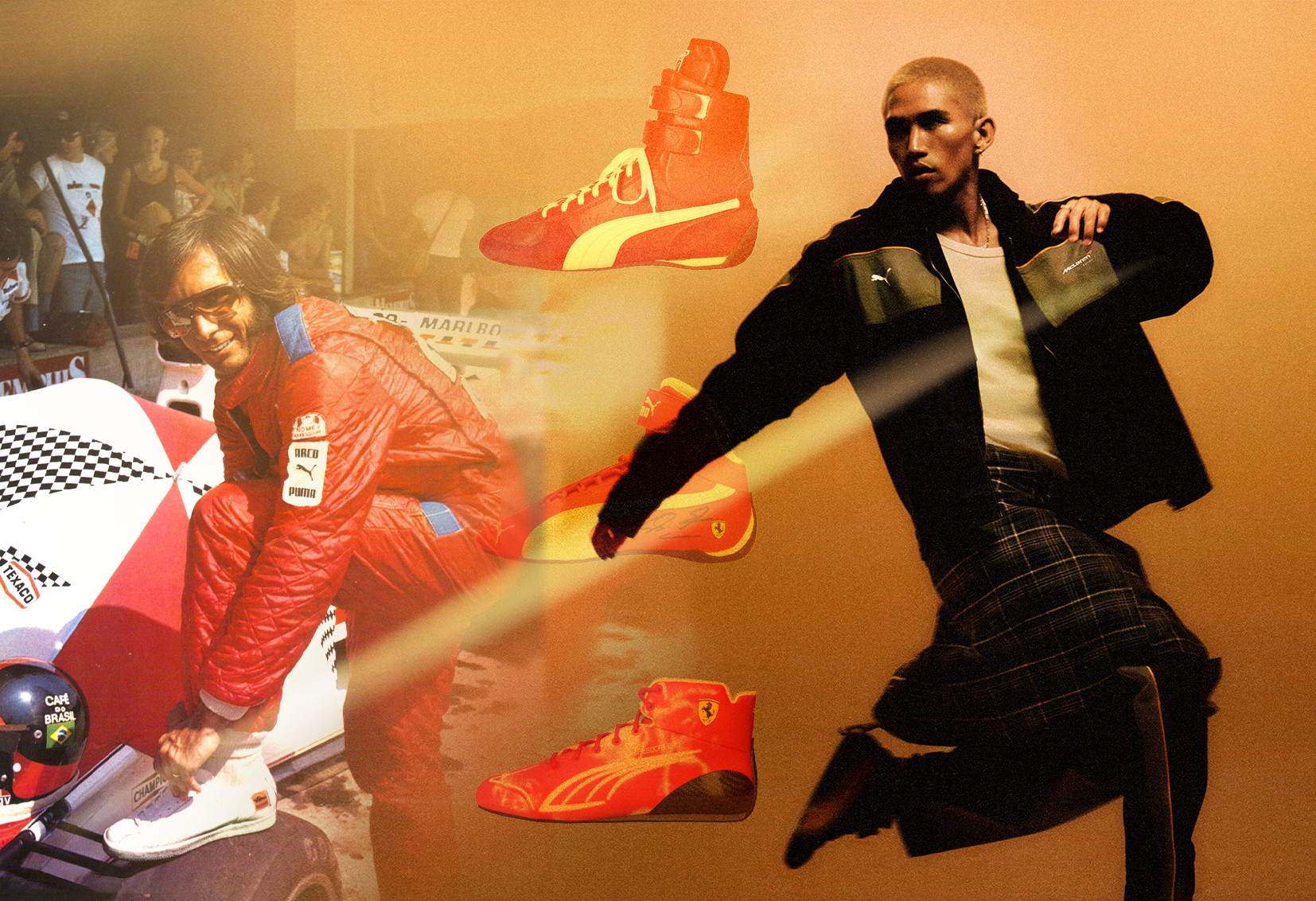
Arthur speaks passionately about PUMA’s long history alongside some of the world’s best athletes, the company’s enormous product archive and its credibility in many different global sports, as well as its current world-class partnerships with teams and athletes including Manchester City and Borussia Dortmund or community platforms such as Hyrox, the world series of fitness racing.
Arthur speaks passionately about PUMA’s long history alongside some of the world’s best athletes, the company’s enormous product archive and its credibility in many different global sports, as well as its current world-class partnerships with teams and athletes including Manchester City and Borussia Dortmund or community platforms such as Hyrox, the world series of fitness racing.
“I’m a true believer in what PUMA has to offer, and the legacy PUMA has built, and even more so in the potential of this brand and this company”
Arthur said.
“We will make PUMA, we will make the cat desirable and intriguing again.”
Arthur said.
“We will make PUMA, we will make the cat desirable and intriguing again.”
Catch up now speaks more languages
To enable as many users as possible to connect with us and be part of our world, we offer CATch up in English, German, French, and Spanish. Please note that these translations are automated and may contain errors.