
Everyday we are blasted with health messages and advertising that categorises every food or activity as good or bad. Getting bogged down in the minor details can mean we are often missing out on the bigger picture. As a trainer I get asked all the time “but…is that healthy?”
Some people jump on diets where they limit calories to the extreme, eat huge amounts of protein or juice cleanse while others become obsessive and overtrain until exhaustion. Is this healthy? Generally speaking, absolutely not. And yet, all too often it’s what we are told we should aspire to.
The thing is that when it comes to health, if we zoom out and look at the bigger picture it’s actually quite simple. Health is primarily about our environment, both internal and external. Are your hormones balanced? Are you eating nourishing food? Are you mindlessly over-eating? Are you active everyday? Do you sleep well? Are your bones strong and your body mobile? Are you in a positive mental space? Do you feel connected and supported in your community? This is health.
By addressing these broader health concepts, and moving away from the nitty-gritty, you will become the healthy shape you are meant to be. The World Health Organisation (WHO) defines health as “a state of complete physical, mental and social well-being and not merely the absence of disease or infirmity.” Complete well-being. Now that is the ultimate healthy living goal. And while it is by no means something you can achieve overnight, it is something worth working towards.
So with this in mind, let’s run through 9 basic shifts that you can put into practice now and begin working towards true health.
Physical well-being
1. Be active everyday.
Make movement an integral part of your day.
- Accumulate a minimum of 10,000 steps per day and 2.5 hours of moderate intensity physical activity per week.
- Include a strength training at least twice a week.
2. Practice mobility.
Mobility directly relates to our ability to move through the full range of movement.
- Aim at 10-15 minutes of mobility at least 3 times per week.
- If you prefer a group environment, book into a yoga or stretch class instead
3. Eat nourishing foods.
- Keep alcohol to <2 standard drinks per day and aim for at least 2 alcohol free days per week.
- Keep things simple by sticking to whole foods, including plenty of vegetables, avoiding processed foods high in fat and sugar.
Mental well-being
4. Meditate
Studies show that a daily meditation practice positively influences relationships, promotes happiness, improves concentration and reduces anxiety.
- Start the day with a 5-10 minute meditation practice either self guided or using an app.
5. Practice gratitude
Gratitude enhances mental and physical health by strengthening the immune system, releasing endorphins, boosting happiness and ability to cope with stress while improving sleep quality.
- Finish your day with a gratitude practice. Write down 5 things you are grateful for before bed every night.
6. Spend time outdoors
Increasing the amount of time you spend in fresh air and natural light is shown to positively affect mental health, improve sleep quality and connectedness within communities.
- Train outdoors when possible or go for a walk on your lunch break.
Social well-being
7. Start a hobby
- Combine both your interests and social life by taking on a hobby that inspires you.
8. Share a meal
- Organise shared meals with family, friends or colleagues at least once a week.
9. Offer Help
Helping others positively affects the way we feel about ourselves. This is a real win-win.
- Take the time for random acts of kindness where you can help others.
To be healthy is to live a life that supports your complete well-being.
Move away from guilt-driven fads and towards positive action. Yo-yoing between diets, quick-fix workouts & fatigue is exhausting and not worth your time.
Eat well, move often, rest & celebrate your body.
Image by iStock
Questions to ask yourself:
Are you active everyday? Do you sleep well? Are your bones strong and your body mobile? Are you in a positive mental space? Do you feel connected and supported in your community?
This is health.
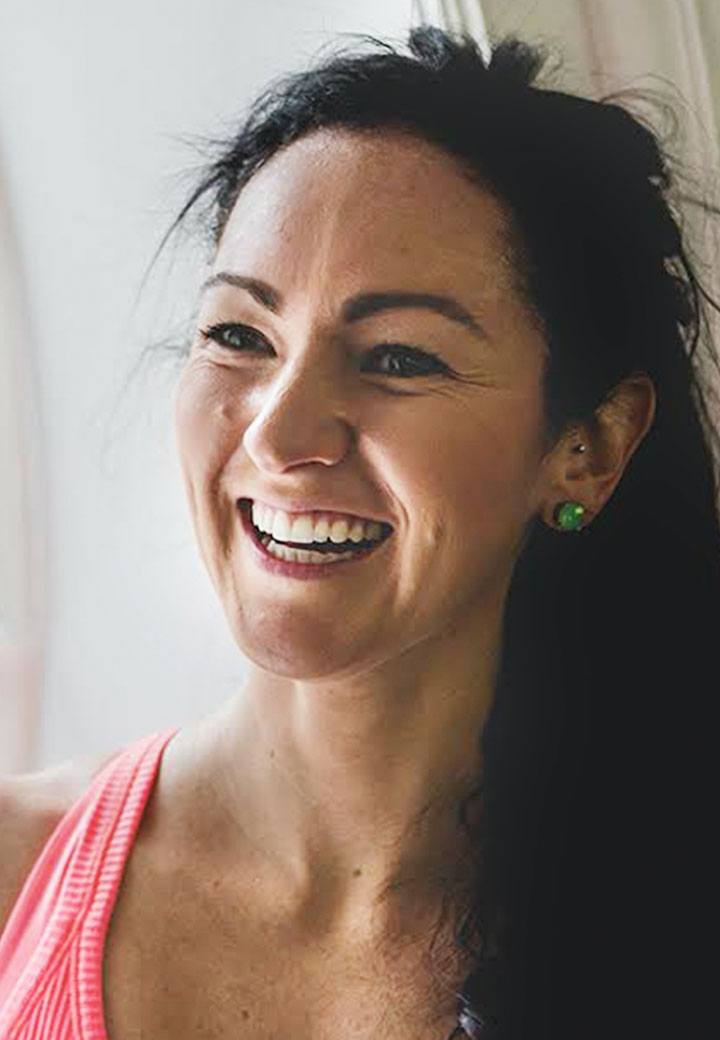
Hannah Porteous is a personal trainer & wellness coach based in Sydney, Australia. She is the founder of women's community #PARKSWEAT (www.parksweat.com) and Sydney Trail Sisters (@sydney_trail_sisters).