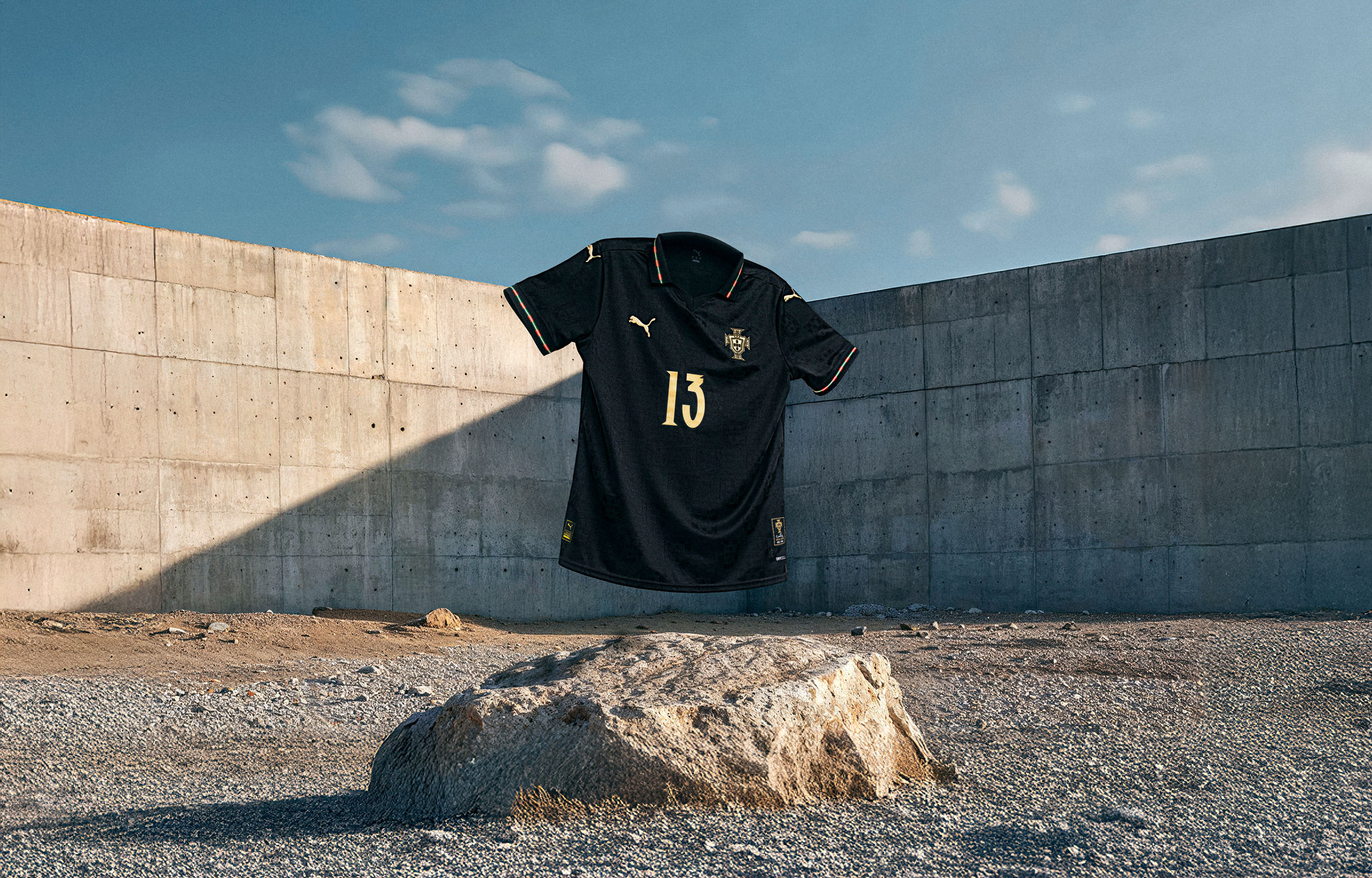
The Hidden Meaning Behind Football Kit Numbers
A quick guide to how jersey numbers became shorthand for roles, reputation, and myth.
January 24, 2026
At first glance, a football shirt number seems purely functional. A visual aid to help referees and fans tell players apart at a distance. Yet over time, these numerals have picked up their fair share of meaning, expectation and even emotional weight. Shirt numbers reflect football’s history and tactics, and help shape how players and fans understand identity within the game.
Where It Started
In the early days, teams did not require players to wear numbers at all. Football first adopted numbered shirts in the early 20th century so that spectators could better identify players. By the late 1930s, international matches had started to establish a consistent system: each team wore numbers from 1 to 11, assigned according to position.The structure was logical and fairly fixed. The goalkeeper wore number 1. Fullbacks were 2 and 3. Central defenders and midfielders occupied 4, 5 and 6. The attacking line filled out 7 through 11. At this stage, a shirt number was less about personality and more about geography, telling you where a player stood on the pitch.
How Positions Shaped Meaning
As football matured, certain numbers began to develop reputations of their own.Number 9, for example, became synonymous with the central striker. A focal point of attack, 9’s are expected to score goals, battle defenders, and lead the line with the presence of a formidable forward.
Likewise, number 10 took on a distinct standing. Traditionally worn by the attacking midfielder and creative hub of the team, it began to represent imagination and technical brilliance. Worn by some of the most outstanding footballers in history, including Pelé and Diego Maradona, this number has basically been elevated to a near-mythical status.
Other numbers also grew their own unique associations over time. Number 7 became linked to wide attacking players with flair for direct running, associated with dynamism, charisma and a degree of spectacle. Number 8 suggested structure and balance in midfield; number 6 hinted at positional discipline and control. This shorthand slowly seeped into the game.
Tactical Evolution
From the 1960s onward, football strategy grew increasingly complex. Formations shifted, roles overlapped, and substitutions became common. By the 1990s, most major leagues had adopted fixed squad numbers rather than reassigning 1 to 11 for each match. After this turning point, numbers were no longer tied to a specific position on the team sheet, and players could retain the same number across a season or longer.Tactical innovation also blurred positional meaning. False nines, inverted wingers and deep playmakers meant a number no longer reliably told you where a player would operate. A number 10 might start deeper. A number 9 might drift wide. The shirt number remained, but its role had begun to evolve.
What’s in a Number?
As numbering systems loosened, space emerged for individuality. Long before squad numbers became permanent, players like Johan Cruyff had already hinted at this shift. His decision to wear number 14 in the 1970s subtly challenged the idea that a shirt number had to correspond to a fixed position.In the modern game, the idea that numbers can carry personal meaning alongside technical ones has become the norm.
Take Memphis Depy, record goalscorer of the Dutch national team, who started wearing 94 recently since moving to Brazil to reference his year of birth.
Italian legend Mario Balotelli has insisted on wearing the same number since joining his first big club. What started as a fluke, when he was given the number 45 as a young player, has turned into a consistent good luck charm. He has jokingly explained that 4 + 5 = 9, encoding the history of the number 9 with his own flair.
Throughout his glittering career, Yaya Touré of the Ivory Coast was known by his unusual jersey number 42, which has now been inherited by young players inspired by the icon.
And then there is Ghana’s all-time leading goalscorer, Asamoah Gyan, who wore number 3 during his entire professional path, selected simply because it is a powerful number to him personally.
Italian legend Mario Balotelli has insisted on wearing the same number since joining his first big club. What started as a fluke, when he was given the number 45 as a young player, has turned into a consistent good luck charm. He has jokingly explained that 4 + 5 = 9, encoding the history of the number 9 with his own flair.
Throughout his glittering career, Yaya Touré of the Ivory Coast was known by his unusual jersey number 42, which has now been inherited by young players inspired by the icon.
And then there is Ghana’s all-time leading goalscorer, Asamoah Gyan, who wore number 3 during his entire professional path, selected simply because it is a powerful number to him personally.
Asamoah Gyan
Players now choose numbers for a range of personal reasons: birthdays, lucky charms, childhood idols, or simple familiarity. Jersey numbers have become embedded in the fan psyche as a part of the player’s identity and brand.
Numbers as Legacy
Certain numbers also carry deep emotional weight, linked to legendary performances and iconic eras. When a new player sports a familiar number, expectations follow.As one of the strongest strikers in the game, Samuel Eto’o in a number 9 jersey just makes sense. His lightning-fast moves feel like a natural continuation of the jersey’s legacy. Similarly, Marco Reus, who for much of his career wore number 11, aligned with traditional ideas of attacking movement even as his role drifted toward the center.
Samuel Eto'o of Cameroon
Marco Reus (Photo by Matthias Hangst/Bongarts/Getty Images)
In rare cases, numbers are retired in honour of extraordinary contributions. Portuguese goalkeeper Rui Patricio, for example, opted to take an ‘unorthodox’ number 11 as a mark of respect for his predecessor Carl Ikeme, who wore the number throughout his career before being forced to retire due to leukemia. These types of displays of loyalty and attachment reinforce the idea that a number extends beyond a role on the field.