Remise en forme pendant les vacances
Réduire au minimum la perte d'entraînement grâce à Tabata
27 avril 2017
Vous est-il déjà arrivé de reprendre l'entraînement après des vacances ou une pause et d'être choqué par votre manque de forme physique ? Vous arrivez tant bien que mal à terminer la première séance, puis vous passez des semaines à lutter pour retrouver votre forme physique. Eh bien, vous n'êtes pas seul.
Bien que le repos soit un élément important de tout programme d'entraînement, arrêter complètement l'exercice physique peut nuire considérablement à votre condition physique.
L'American College of Sports Medicine a découvert que même deux semaines sans exercice entraînent une baisse significative de la capacité aérobique. Et que deux à huit mois de sédentarité peuvent entraîner la perte de pratiquement tous les gains de condition physique. Même les bienfaits de l'activité physique induits par l'entraînement, tels que l'amélioration de la pression artérielle, de la sensibilité à l'insuline et du cholestérol, commencent à disparaître.
Cet effet est connu sous le nom de désentraînement.
Après avoir constaté les effets du désentraînement, il apparaît clairement qu'il aurait été beaucoup plus facile (et bien plus agréable) de poursuivre votre entraînement et d'éviter la pénible remontée vers votre condition physique d'avant les vacances.
Le principe fondamental qui sous-tend le désentraînement est le suivant :, ‘ Si vous ne l'utilisez pas, vous le perdez. ’ Le corps humain est très efficace pour gérer le stress externe. Cela signifie que si le corps peut s'adapter pour devenir plus fort et plus rapide, il peut également devenir plus lent et plus faible s'il est stimulé par un entraînement régulier. Cela peut sembler décourageant, mais il y a une bonne nouvelle. Si vous avez un niveau de forme physique élevé et que vous vous entraînez régulièrement depuis longtemps, l'effet de désentraînement sera plus lent que pour les personnes ayant un niveau de forme physique faible à modéré. Si vous débutez dans le domaine du fitness, s'entraîner seulement 1 à 2 fois par semaine peut vous aider à maintenir votre capacité aérobie et votre force, et donc à minimiser le désentraînement.
Dans cette optique, quel que soit votre niveau de forme physique, vous devez vous armer d'une méthode d'entraînement efficace, pratique et adaptée aux vacances.
Je vous présente l'entraînement Tabata.
Ma mission est de motiver et d'inspirer les autres à être la meilleure version d'eux-mêmes. Aider les gens à atteindre leurs objectifs de santé et de forme physique et à trouver un équilibre dans leur vie pour passer d'un sentiment moyen à un sentiment génial.
En collaboration
L'entraînement Tabata est une forme d'entraînement par intervalles à haute intensité (HIIT). Il consiste en 8 séries de 20 secondes d'efforts maximaux, suivies de 10 secondes de repos. Ce style d'entraînement a vu le jour après que le Dr Izumi Tabata et une équipe de chercheurs de l'Institut national du fitness et des sports de Tokyo aient comparé les effets d'un entraînement aérobique d'intensité modérée à ceux d'un entraînement HIIT de type Tabata.
Tabata s'est imposé.
Ces intervalles courts et intenses ont été constatés améliorer la capacité aérobie et anaérobie avec des séances d'entraînement de 4 minutes par jour, 5 fois par semaine. L'entraînement aérobique d'intensité modérée n'améliorait que le système aérobique et exigeait que chaque individu s'entraîne 60 minutes par jour, 5 fois par semaine.
Ce type d'entraînement met l'accent sur l'intensité plutôt que sur le volume. Un programme d'entraînement Tabata efficace est court et très intense. Pour que l'entraînement soit efficace, les exercices choisis doivent être effectués à un effort maximal et ressembler à des sprints.
Il est important de garder à l'esprit que le Tabata n'est pas censé être facile. Si vous ne vous donnez pas à fond pendant ces intervalles cruciaux de 20 secondes, la séance ne sera pas efficace. Le Tabata n'a pas été conçu pour développer la force musculaire, alors évitez les exercices tels que les pompes et les squats. Ces exercices rendent difficile l'effort maximal et n'apportent donc pas les bienfaits associés à l'entraînement Tabata.
Gagnez du temps. Donnez-vous à fond. Et concentrez-vous sur les exercices cardiovasculaires pour obtenir les meilleurs résultats.
Cette méthode d'entraînement sans équipement et rapide est parfaite pour une séance de sport pendant les vacances. Alors, la prochaine fois que vous ferez vos valises pour partir à l'étranger, armez-vous de l'entraînement Tabata ci-dessous pour être sûr de rentrer chez vous en pleine forme et plein d'énergie !
Bon voyage.
Entraînement Tabata pendant les vacances : 20 minutes
20 secondes allumé / 10 secondes éteint 8 séries / 1 minute de repos entre les séries
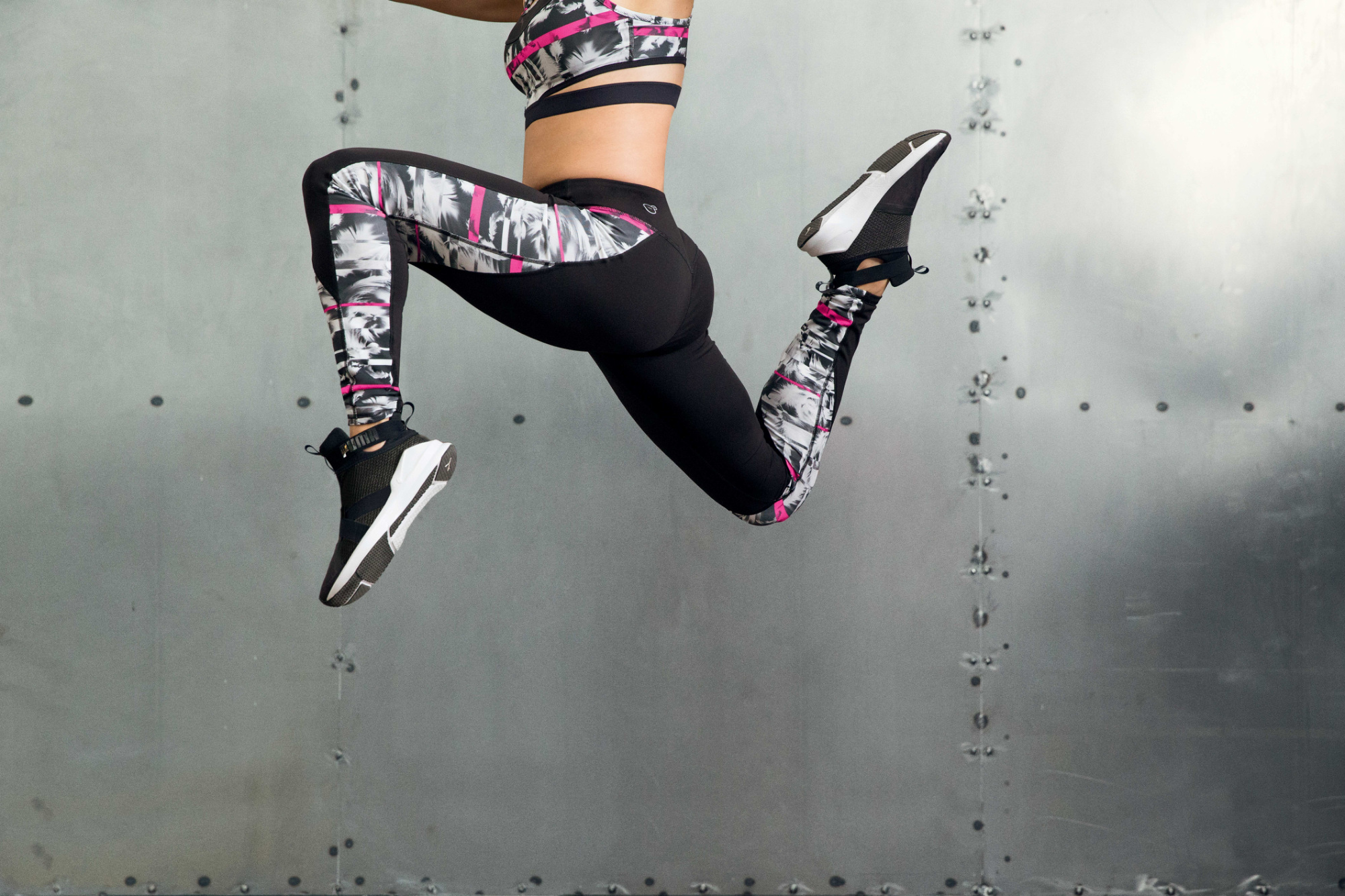
1. Sprints 2. Burpees 3. Répétitions dans les escaliers 4. Fentes sautées alternées

Hannah Porteous est une entraîneuse personnelle et une coach en bien-être basée à Sydney, en Australie. Elle est la fondatrice de la communauté de femmes #PARKSWEAT (www.parksweat.com) et des Sydney Trail Sisters (@sydney_trail_sisters).
Qu'y a-t-il d'autre ?
CATch up est désormais disponible en plusieurs langues
Pour permettre au plus grand nombre d'utilisateurs possible de se connecter à notre plateforme et de faire partie de notre univers, nous proposons CATch up en anglais, allemand, français et espagnol. Veuillez noter que ces traductions sont automatisées et peuvent contenir des erreurs.