Wie Sie Ihren Kopf ins Spiel bringen
Einblicke in Rituale vor der Aufführung und warum sie funktionieren
13. Januar 2026
Die Vorbereitung auf den großen Tag kann für jeden Sportler anders aussehen: immer die gleiche Mahlzeit am Vorabend essen, Glückssocken tragen, den Ball vor dem Schuss dreimal klopfen, die vertraute Playlist vor dem Spiel durchlaufen lassen...
Viele Athleten (ob sie es zugeben oder nicht) haben ein bestimmtes Ritual, das ihnen hilft, in den heiligen Raum des Flow und der Spitzenleistung zu gelangen, der als “die Zone” bekannt ist. Diese Routinen liegen an der Schnittstelle zwischen Sportpsychologie und Leistungswissenschaft und wurden hinsichtlich ihrer Auswirkungen auf die Konzentration, die emotionale Regulation und die Beständigkeit am Spieltag eingehend untersucht.
Wir wollten also wissen: Sind diese Rituale einfach nur beruhigende Gewohnheiten, oder verbessern sie tatsächlich die sportliche Leistung? Es stellte sich heraus, dass sie zwar (wahrscheinlich) nicht magisch sind, aber doch eine Reihe von Vorteilen bieten. Um zu verstehen, warum das so ist, sollten wir uns genauer ansehen, wie Rituale vor der Leistung den Sport beeinflussen.
Wir wollten also wissen: Sind diese Rituale einfach nur beruhigende Gewohnheiten, oder verbessern sie tatsächlich die sportliche Leistung? Es stellte sich heraus, dass sie zwar (wahrscheinlich) nicht magisch sind, aber doch eine Reihe von Vorteilen bieten. Um zu verstehen, warum das so ist, sollten wir uns genauer ansehen, wie Rituale vor der Leistung den Sport beeinflussen.
Festlegen von Ritualen vor dem Spiel
Ein Ritual vor einem Spiel oder einer Leistung (die Begriffe werden hier synonym verwendet) ist eine spezifische, wiederholte Abfolge von Verhaltensweisen, Gedanken oder Handlungen, die vor einem Wettkampf, einem Spiel oder einer Leistung ausgeführt werden und von denen ein Sportler glaubt, dass sie einen positiven Einfluss auf seine Bereitschaft und seine Ergebnisse haben. Diese Rituale dienen als psychologischer Anker und helfen Amateur- und Spitzensportlern beim Übergang vom Training zum Wettkampf, indem sie den Fokus schärfen und die Konzentration verbessern.Eine kürzlich veröffentlichte Studie* im Internationale Zeitschrift für Sport- und Bewegungspsychologie legt nahe, dass sie eine signifikante und messbare positive Auswirkung auf die Leistung haben, unabhängig davon, wie einfach oder komplex sie sind.
Das Gehirn unter Druck: Warum Rituale wichtig sind
Der Wettbewerb stellt das Gehirn vor einzigartige Herausforderungen. Wenn die Spielzeit näher rückt, steigen Stresshormone wie Cortisol an. Die Aufmerksamkeit kann sich verengen oder zerstreuen. Die Erwartung einer Bewertung erhöht die Aktivierung der neuronalen Systeme, die mit der Erkennung von Bedrohungen und Unsicherheit in Verbindung stehen. In diesem erhöhten Zustand wird das Gehirn empfindlicher für äußere Ablenkungen, wie die Geräusche der Menge, oder innere Ablenkungen, wie Zweifel oder negative Selbstgespräche.Die Herausforderung für die Sportler besteht nicht darin, die natürliche Aktivierung des Körpers zu unterdrücken, sondern sie in einem optimalen Bereich zu regulieren; hier kommen die Aspekte des Rituals vor dem Spiel ins Spiel.
Die Psychologie hinter der Wirkung von Ritualen
Die Forschung geht von mehreren sich überschneidenden Mechanismen aus, die erklären, warum diese scheinbar kleinen Verhaltensweisen so wirksam sein können.Aufmerksamkeit und Konzentration
Rituale vor dem Spiel dienen als Trichter für die Aufmerksamkeit. Sie ermöglichen es dem Sportler, seinen Fokus auf das optimale Ergebnis der anstehenden Aufgabe zu lenken, die Konzentration zu verbessern und gleichzeitig ablenkende Gedanken, äußeren Druck und Sorgen zu minimieren.
Emotionale Regulierung
Diese Verhaltensweisen können auch als wirksame Instrumente zur Stressbewältigung dienen. Durch die Einführung vorhersehbarer Abläufe in einer unsicheren Umgebung schaffen Rituale ein Gefühl der Stabilität, das zur Beruhigung der Nerven beiträgt. Im Laufe der Zeit werden ritualisierte Verhaltensweisen mit Bereitschaft assoziiert und unterstützen eine konsistentere emotionale Regulierung unter Druck.
Selbstvertrauen und Selbstwirksamkeit
Eine erhöhte Wahrnehmung von Kontrolle ist mit größerem Selbstvertrauen und größerer Effektivität verbunden. Das Absolvieren einer vertrauten Routine kann den Glauben eines Sportlers an seine Vorbereitung und seine Fähigkeiten stärken, wodurch eine positive Rückkopplungsschleife entsteht, in der das Vertrauen die Ausführung unterstützt und die erfolgreiche Ausführung das Vertrauen weiter stärkt.
Rituale vor dem Spiel dienen als Trichter für die Aufmerksamkeit. Sie ermöglichen es dem Sportler, seinen Fokus auf das optimale Ergebnis der anstehenden Aufgabe zu lenken, die Konzentration zu verbessern und gleichzeitig ablenkende Gedanken, äußeren Druck und Sorgen zu minimieren.
Emotionale Regulierung
Diese Verhaltensweisen können auch als wirksame Instrumente zur Stressbewältigung dienen. Durch die Einführung vorhersehbarer Abläufe in einer unsicheren Umgebung schaffen Rituale ein Gefühl der Stabilität, das zur Beruhigung der Nerven beiträgt. Im Laufe der Zeit werden ritualisierte Verhaltensweisen mit Bereitschaft assoziiert und unterstützen eine konsistentere emotionale Regulierung unter Druck.
Selbstvertrauen und Selbstwirksamkeit
Eine erhöhte Wahrnehmung von Kontrolle ist mit größerem Selbstvertrauen und größerer Effektivität verbunden. Das Absolvieren einer vertrauten Routine kann den Glauben eines Sportlers an seine Vorbereitung und seine Fähigkeiten stärken, wodurch eine positive Rückkopplungsschleife entsteht, in der das Vertrauen die Ausführung unterstützt und die erfolgreiche Ausführung das Vertrauen weiter stärkt.
Art der Rituale vor dem Spiel
Wir können die Rituale vor einem Spiel in mehrere sich überschneidende Typen einteilen.Die wirksamsten Rituale sind auf den einzelnen Sportler zugeschnitten und werden im Laufe der Zeit konsequent wiederholt.
Wie sich Spitzensportler vorbereiten
Lange bevor die Zuschauer eintreffen und die Anzeigetafel aufleuchtet, bereiten sich die Sportler bereits mit persönlichen Gewohnheiten vor, die ihnen helfen, sich zu beruhigen, zu konzentrieren und sich leistungsbereit zu fühlen.Nahrung zum Nachdenken
Die Vorbereitung auf ein Spiel kann mit etwas so Vertrautem wie einer Mahlzeit beginnen. Für den Paralympics-Sieger und Weltrekordhalter Salum Kashafali dient das Essen sowohl als Brennstoff als auch als Signal, das Körper und Geist signalisiert, dass es Zeit für einen Wettkampf ist. Sein Ritual? Hühnchen und Reis am Abend zuvor und Wassermelone am Morgen danach.Salum Kashafali
Nicola OlyslagerS (Foto: Cameron Spencer/Getty Images)
Schriftlicher Schwerpunkt
Und für die australische Hochspringerin Nicola Olyslagers findet die Vorbereitung auf dem Papier statt. Das Tagebuch hilft ihr, ihre Gedanken vor dem Wettkampf festzuhalten, zu verfeinern und zu ordnen.Ein Ruf vor der Menge
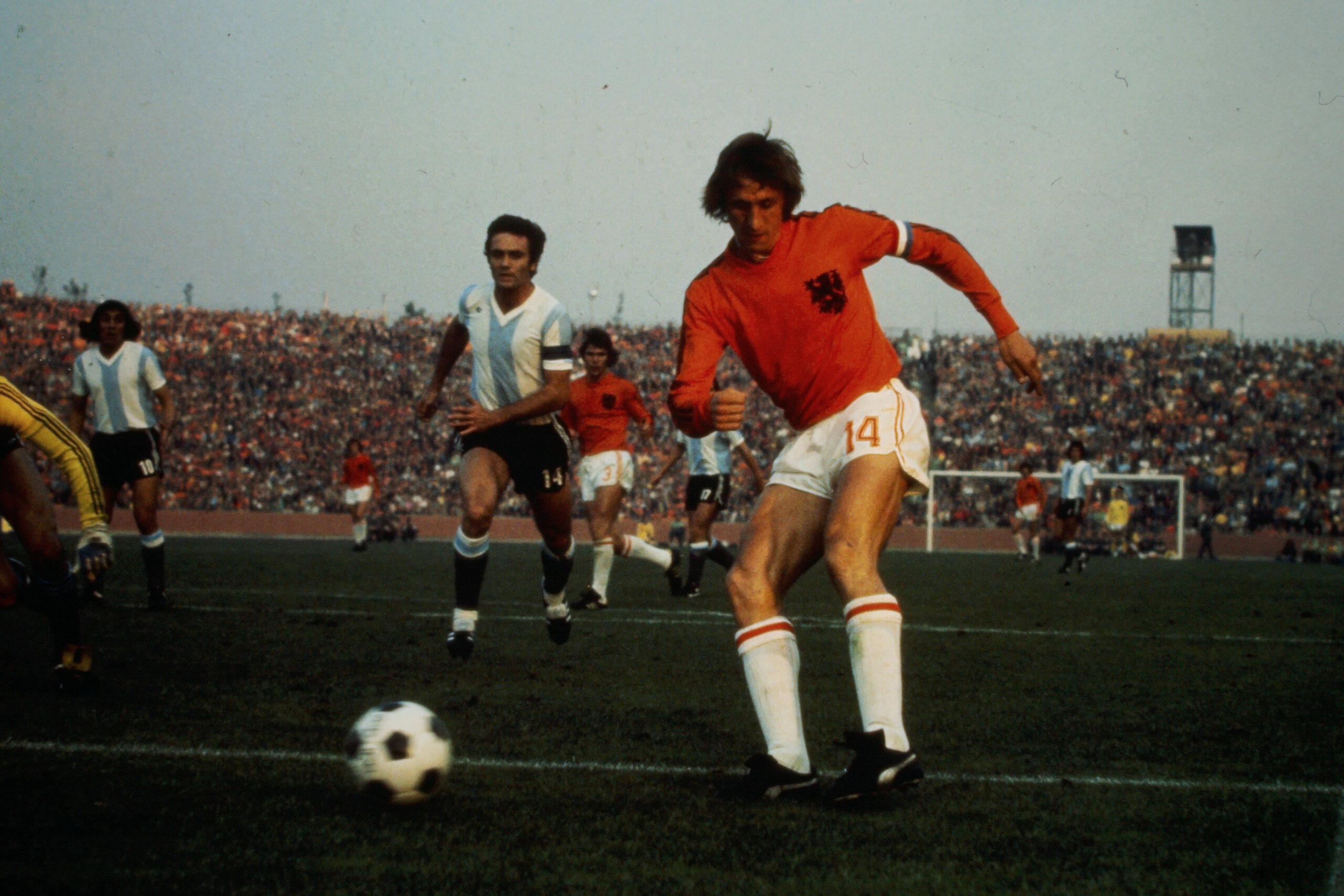
Verbindung kann genauso erdend sein wie Routine. Für Xavi Simons, den niederländischen Mittelfeldspieler und eines der großen Talente des Fußballs, dreht sich alles um die Familie. Sein Ritual sieht so aus, dass er seine Mutter und seinen Bruder anruft, bevor er das Spielfeld betritt.Xavi Simons
Beherrschung durch Bewegung
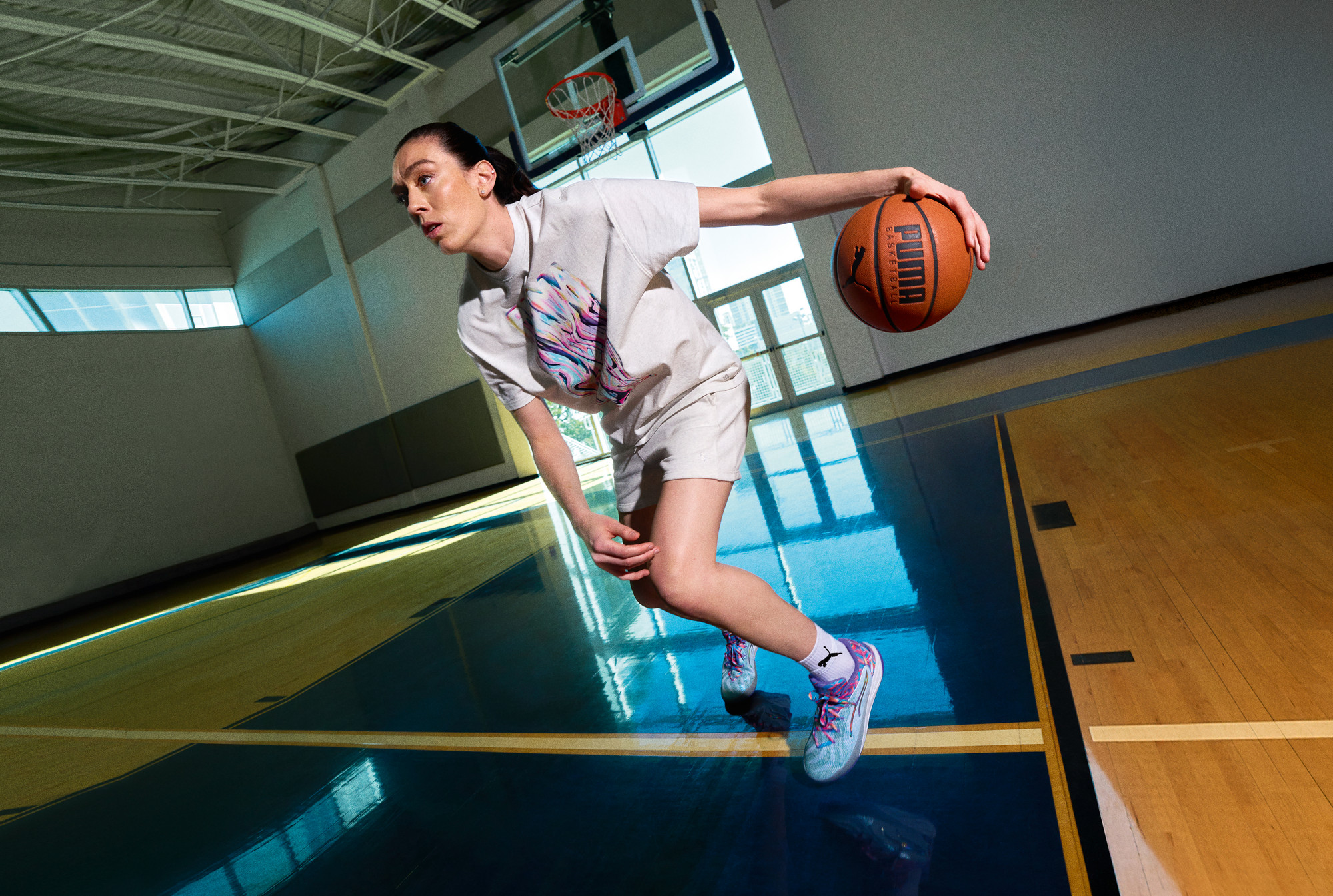
Manchmal ist die Routine sehr einfach und sehr körperlich. Basketball-Königin Breanna Stewart hält die Dinge konsequent und wiederholbar: Pilates, ein dynamisches Aufwärmtraining, dann die gleichen Schläge, jedes einzelne Spiel.Saubere Starts
Kleine Details können den großen Unterschied ausmachen. Bei der Hürdenläuferin Devynne Charlton von den Bahamas dreht sich in der Vorbereitung auf ein Spiel alles um Komfort und Sauberkeit. Zu Beginn jeder Saison kauft sie eine große Kiste mit brandneuen Socken und trägt vor jedem Wettkampf ein frisches Paar.Kai Havertz
Soundtrack für den Moment
Für viele Sportler spielt Musik eine zentrale Rolle, um sich in die richtige Stimmung zu bringen. Der deutsche Nationalspieler und Arsenal-Star Kai Havertz beispielsweise hört in den Momenten vor dem Anpfiff motivierende Musik, oft Hip-Hop.Die Details mögen sich unterscheiden, aber die Funktion bleibt dieselbe: Spitzensportler nutzen oft vertraute Rituale und Routinen, um Unsicherheiten abzubauen und dem Gehirn zu signalisieren, dass es gehen. Zeit.
Aberglaube und Ritual und warum der Unterschied wichtig ist
Es ist wichtig, zwischen gesunden Ritualen und Aberglauben zu unterscheiden. Ein Ritual, wie es hier beschrieben wird, ist etwas, was ein Sportler aktiv tut, um seinen eigenen psychologischen und emotionalen Zustand zu regulieren. Es ist kontrollierbar, wiederholbar und anpassungsfähig. Wenn es gestört wird, kann sich der Sportler anpassen, ohne das Vertrauen zu verlieren.Der Aberglaube hingegen stützt sich auf äußere Kräfte oder den Glauben an das Glück. Sie sind oft starr und ergebnisabhängig. Wenn ein Aberglaube nicht erfüllt werden kann, kann die Angst eher zu- als abnehmen.
Das Mitnehmen
Rituale vor dem Spiel sind weder magisches Denken, noch eine Annehmlichkeit. Sie sind vielmehr intelligente Instrumente, die den Sportlern helfen, ihre Aufmerksamkeit, ihre Gefühle und ihr Selbstvertrauen unter Druck zu regulieren.Bei Wettkämpfen auf hohem Niveau ist die körperliche Vorbereitung bei allen Sportlern oft ähnlich. Was konstante Leistungsträger auszeichnet, ist ihre Fähigkeit, sich bei Bedarf in den richtigen mentalen Zustand zu versetzen. Rituale helfen, eine Brücke zwischen Vorbereitung und Leistung zu schlagen. Sie sind keine Erfolgsgarantie, aber sie reduzieren psychologische Störungen in Momenten, in denen Klarheit am wichtigsten ist. Und im Sport kann dieser Unterschied entscheidend sein.
*Erwähnte Studie:
Rupprecht, A. G. O., Tran, U. S., & Gröpel, P. (2024). Die Wirksamkeit von Routinen zur Leistungsvorbereitung im Sport: eine Meta-Analyse. International Review of Sport and Exercise Psychology, 17(1), 39-64. https://doi.org/10.1080/1750984X.2021.1944271
Rupprecht, A. G. O., Tran, U. S., & Gröpel, P. (2024). Die Wirksamkeit von Routinen zur Leistungsvorbereitung im Sport: eine Meta-Analyse. International Review of Sport and Exercise Psychology, 17(1), 39-64. https://doi.org/10.1080/1750984X.2021.1944271
CATch up spricht jetzt mehrere Sprachen
Damit wir so viele Menschen wie möglich erreichen und ihr in die PUMA Welt eintauchen könnt, bieten wir CATch up jetzt auf Englisch, Deutsch, Französisch und Spanisch an. Die Übersetzungen werden automatisch erstellt und können deswegen Fehler enthalten.