UNE CHAUSSURE QUI RÉSISTE AUX TENDANCES
Comment la SUEDE a façonné la culture depuis 1968 - et pourquoi Paris 2026 marque un nouveau point de départ
22 janvier 2026
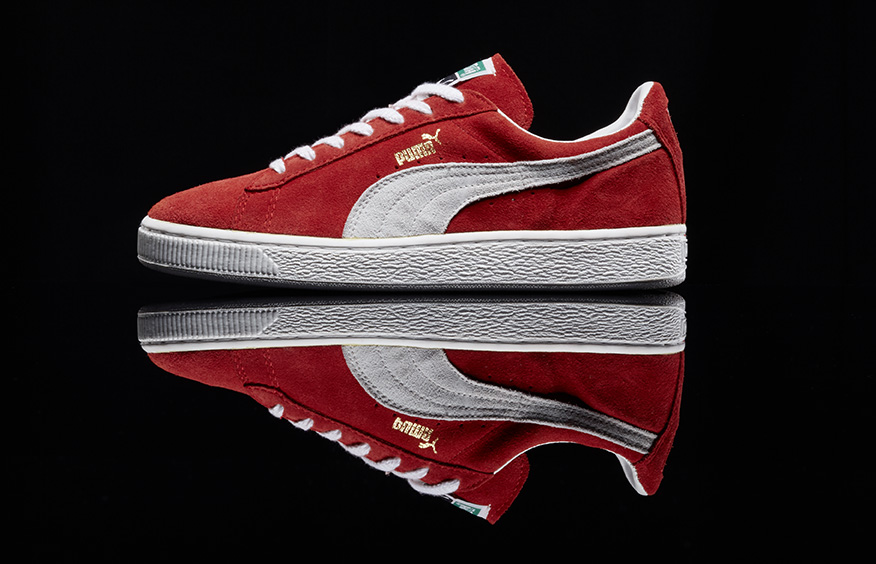
Aucune sneaker n'a autant façonné la vie quotidienne, le sport et le style au fil des décennies que la PUMA SUEDE. De la rue au terrain en passant par les skate parks et la routine quotidienne, elle n'a cessé de s'adapter tout en restant fidèle à elle-même. En 2026, PUMA remet cette histoire au goût du jour, en commençant par la Fashion Week de Paris.
Il s'associe aussi bien à un jean qu'à un pantalon de tailleur, à un sweat à capuche aussi naturellement qu'à une chemise à coupe franche - ou à un chemisier chic. Elle fonctionne en mouvement, dans la vie de tous les jours, au repos. Depuis près de six décennies, la PUMA SUEDE fait partie de la culture pop et quotidienne. Peu de baskets ont traversé cette période sans changer leur forme de base. Ses lignes sont claires, elle est immédiatement reconnaissable, à la fois tendance et intemporelle.
Son histoire commence en 1968. La chaussure est lancée sous le nom de CRACK. Le terme est issu du jargon sportif de l'époque : à l'époque comme aujourd'hui, “crack” est synonyme de talent exceptionnel et de performances hors du commun. C'est exactement ce que la chaussure est censée représenter. Conçue comme une chaussure d'entraînement et de loisir, elle est fonctionnelle et robuste, fabriquée en cuir de daim et équipée d'une semelle développée spécifiquement pour elle. Elle ne cherche pas à attirer l'attention, elle est conçue pour être performante.
Son histoire commence en 1968. La chaussure est lancée sous le nom de CRACK. Le terme est issu du jargon sportif de l'époque : à l'époque comme aujourd'hui, “crack” est synonyme de talent exceptionnel et de performances hors du commun. C'est exactement ce que la chaussure est censée représenter. Conçue comme une chaussure d'entraînement et de loisir, elle est fonctionnelle et robuste, fabriquée en cuir de daim et équipée d'une semelle développée spécifiquement pour elle. Elle ne cherche pas à attirer l'attention, elle est conçue pour être performante.
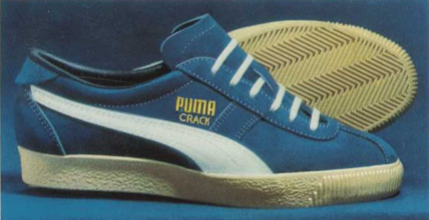
PUMA CRACK de 1969
Un geste silencieux pour les droits de l'homme
1968 est aussi l'année où la perception du sport commence à changer. Les enceintes sportives ne sont plus perçues uniquement comme des lieux de compétition, mais de plus en plus comme des espaces publics où les tensions sociales deviennent visibles. Aux États-Unis, la lutte pour les droits civiques s'intensifie. En avril, Martin Luther King est assassiné à Memphis. Le racisme, la discrimination et les inégalités sociales dominent le discours public. Un geste historique : Tommie Smith et John Carlos lors de la cérémonie de remise des médailles aux Jeux olympiques de 1968 à Mexico.
Le 16 octobre 1968, Tommie Smith remporte le 200 mètres aux Jeux olympiques de Mexico, établissant un nouveau record du monde de 19,83 secondes et devenant ainsi le premier être humain à franchir la barre des 20 secondes. Lors de la cérémonie de remise des médailles, il fait un geste historique en protestant contre le racisme et l'inégalité sociale avec John Carlos, arrivé en troisième position. Tous deux baissent la tête et lèvent un poing fermé, vêtus d'un gant noir, pendant que retentit l'hymne national américain. Smith et Carlos apparaissent sans chaussures, portant seulement des chaussettes noires.
Toujours présente sur le podium de la victoire : la PUMA CRACK, placée à côté d'eux. Noire, avec la bande de forme blanche distinctive sur le côté, la chaussure n'est pas au centre de la manifestation, mais elle fait partie de l'image de ce moment, une image qui fait le tour du monde.
La protestation est jugée comme un acte politique par le Comité international olympique. Smith et Carlos sont exclus des Jeux. PUMA est également sanctionné, la visibilité des chaussures étant considérée comme une publicité non autorisée. Plutôt que de prendre ses distances, PUMA continue de soutenir Smith qui, à son tour, reste lié à la marque pendant des décennies.
La protestation est jugée comme un acte politique par le Comité international olympique. Smith et Carlos sont exclus des Jeux. PUMA est également sanctionné, la visibilité des chaussures étant considérée comme une publicité non autorisée. Plutôt que de prendre ses distances, PUMA continue de soutenir Smith qui, à son tour, reste lié à la marque pendant des décennies.
De CRACK à CLYDE à SUEDE
Au début des années 1970, la chaussure devient de plus en plus populaire. Walt “ Clyde ” Frazier, star du basket-ball des New York Knicks et icône de son époque, signe avec PUMA. Frazier veut des chaussures basses. Et une paire de couleur différente pour presque chaque match. Pour les basketteurs de l'époque, cette approche est très inhabituelle et clairement en avance sur son temps. La volonté de PUMA d'aller au-delà des conventions s'avère parfaite. La CLYDE est créée en s'inspirant de la CRACK. La chaussure devient plus visible, plus personnelle et plus individuelle - sur le terrain et au-delà. Dans un premier temps, la CLYDE reste limitée au marché américain. Lorsque Walt Frazier met fin à sa carrière en 1980, le nom CLYDE - lié à son personnage - disparaît, tandis que la chaussure commence à conquérir le monde. La silhouette devient extrêmement populaire dans le monde entier et continue d'être produite. Des décennies plus tard, elle a finalement reçu un nouveau nom basé sur le matériau qui la définit : LE SUEDE. La forme est restée, tout comme son caractère.
Dans les années 1980, la SUEDE trouve sa place dans la culture hip-hop naissante. En particulier, les groupes de breakdance - appelés B-boy crews - adoptent la chaussure. Ils recherchent des chaussures qui permettent une grande liberté de mouvement, offrent une bonne adhérence et résistent à de fortes contraintes. La SUEDE répond à ces exigences. La chaussure d'entraînement devient une chaussure de ville. La culture du skateboard adopte également la SUEDE et l'interprète à sa manière.
Dans les années 1980, la SUEDE trouve sa place dans la culture hip-hop naissante. En particulier, les groupes de breakdance - appelés B-boy crews - adoptent la chaussure. Ils recherchent des chaussures qui permettent une grande liberté de mouvement, offrent une bonne adhérence et résistent à de fortes contraintes. La SUEDE répond à ces exigences. La chaussure d'entraînement devient une chaussure de ville. La culture du skateboard adopte également la SUEDE et l'interprète à sa manière.
Au cours des décennies suivantes, le SUEDE reste présent. Les matériaux sont variés, les couleurs élargies et les collaborations créées. En 2018, PUMA célèbre le 50e anniversaire du modèle. En 2020, un hommage spécial suit : une édition strictement limitée en l'honneur de Tommie Smith. Seulement 307 paires sont produites - son numéro de dossard aux Jeux Olympiques de 1968.
Un classique qui ne s'arrête pas
Cette année, PUMA revisite l'histoire de la SUEDE dans le cadre de la Fashion Week de Paris. Du 21 au 24 janvier, la SUEDE House ouvre ses portes à la Galerie Joseph, 7 rue Froissart, dans le quartier du Marais à Paris.Paris n'est pas une coïncidence. Peu de villes incarnent aussi clairement l'intersection de la mode, de la culture de la rue, de la musique et du style. À la SUEDE House, l'histoire de la SUEDE est racontée à travers des documents d'archives et des points de vue choisis sur la culture de la rue, du skate et de la basket-ball. L'accent est mis sur l'évolution du modèle, de ses origines sportives à sa présence dans le contexte urbain d'aujourd'hui.
En s'appuyant sur ses racines emblématiques - et en les réimaginant à travers l'objectif d'aujourd'hui - PUMA prépare la SUEDE à sa prochaine ère. Paris n'est que le début. Restez à l'écoute.
CATch up est désormais disponible en plusieurs langues
Pour permettre au plus grand nombre d'utilisateurs possible de se connecter à notre plateforme et de faire partie de notre univers, nous proposons CATch up en anglais, allemand, français et espagnol. Veuillez noter que ces traductions sont automatisées et peuvent contenir des erreurs.